Caste violence, and what the state does next. We follow each case from the attack to the verdict, measure the gap between the law Dalits won in 1989 and the convictions it delivers, and record how families and organisations force accountability.
Reservation is a constitutional claim, not a favour. We test it against the record: posts left empty for want of a 'suitable' candidate, quotas divided without data, a census that counts caste but may not change who is protected, and promised money that never arrived.
Who owns, who works and who profits. Dalit families still wait for land the state granted a century ago, sanitation workers still die in sewers officials say nobody cleans by hand, and caste still decides who gets hired, paid and funded.
Who holds power, and who is kept out of it. We count who sits in legislatures, newsrooms, courts and boardrooms, follow the parties that court Dalit votes, and ask what Dalit representatives can change once they are inside.
Caste does not disappear in code; it is written into it. We report who builds Indian and global tech and who gets filtered out, what automated systems learn about Dalit people, and who decides which Dalit voices stay online.
Dalit culture made on its own terms: work that refuses the stories dominant castes wrote for it, critics who judge it from a stated standpoint, the archives movements kept for themselves, and the Ambedkarite and Buddhist turn that treats leaving caste as a political act.
Caste and patriarchy work together, and so do the people who fight both. We report where Brahminical patriarchy bites hardest, in the field, the home and the courtroom, and hear from Dalit women and queer, trans and disabled Dalit people on their own terms.
Caste is not only India's, and neither is the fight against it. From Nepal's courts to Seattle's council, Geneva's treaty bodies and Brussels' trade talks, we track where caste discrimination is named in law, and whether naming it changes anything.
Dalit thought as the primary theory of caste, not a footnote to it. We read its thinkers closely, from Ambedkar's 1916 paper on endogamy to Dalit scholars writing now, and test their arguments against what happens this week.
Caste violence, and what the state does next. We follow each case from the attack to the verdict, measure the gap between the law Dalits won in 1989 and the convictions it delivers, and record how families and organisations force accountability.
Reservation is a constitutional claim, not a favour. We test it against the record: posts left empty for want of a 'suitable' candidate, quotas divided without data, a census that counts caste but may not change who is protected, and promised money that never arrived.
Who owns, who works and who profits. Dalit families still wait for land the state granted a century ago, sanitation workers still die in sewers officials say nobody cleans by hand, and caste still decides who gets hired, paid and funded.
Who holds power, and who is kept out of it. We count who sits in legislatures, newsrooms, courts and boardrooms, follow the parties that court Dalit votes, and ask what Dalit representatives can change once they are inside.
Caste does not disappear in code; it is written into it. We report who builds Indian and global tech and who gets filtered out, what automated systems learn about Dalit people, and who decides which Dalit voices stay online.
Dalit culture made on its own terms: work that refuses the stories dominant castes wrote for it, critics who judge it from a stated standpoint, the archives movements kept for themselves, and the Ambedkarite and Buddhist turn that treats leaving caste as a political act.
Caste and patriarchy work together, and so do the people who fight both. We report where Brahminical patriarchy bites hardest, in the field, the home and the courtroom, and hear from Dalit women and queer, trans and disabled Dalit people on their own terms.
Caste is not only India's, and neither is the fight against it. From Nepal's courts to Seattle's council, Geneva's treaty bodies and Brussels' trade talks, we track where caste discrimination is named in law, and whether naming it changes anything.
Dalit thought as the primary theory of caste, not a footnote to it. We read its thinkers closely, from Ambedkar's 1916 paper on endogamy to Dalit scholars writing now, and test their arguments against what happens this week.
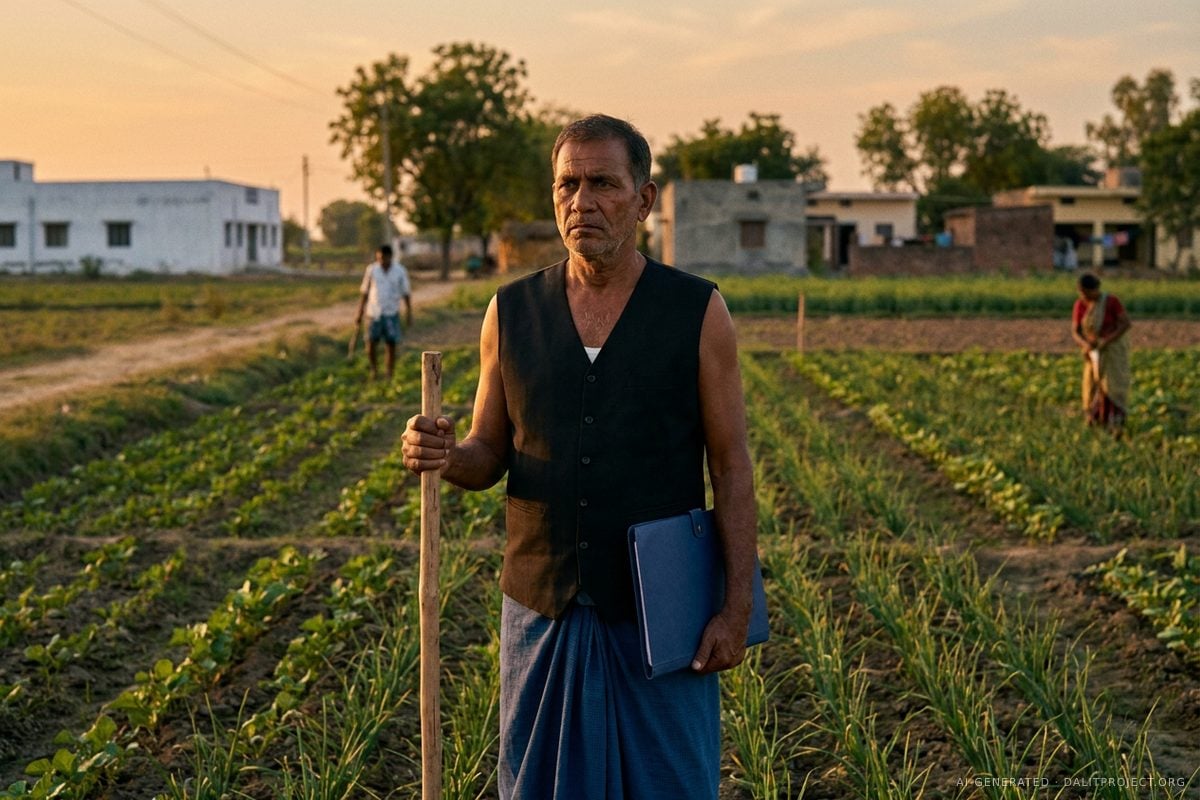
Telangana says it is testing an allegation against a former chief minister. The notices have gone to Dalit families who have farmed Erravalli's assigned land for 60 years.
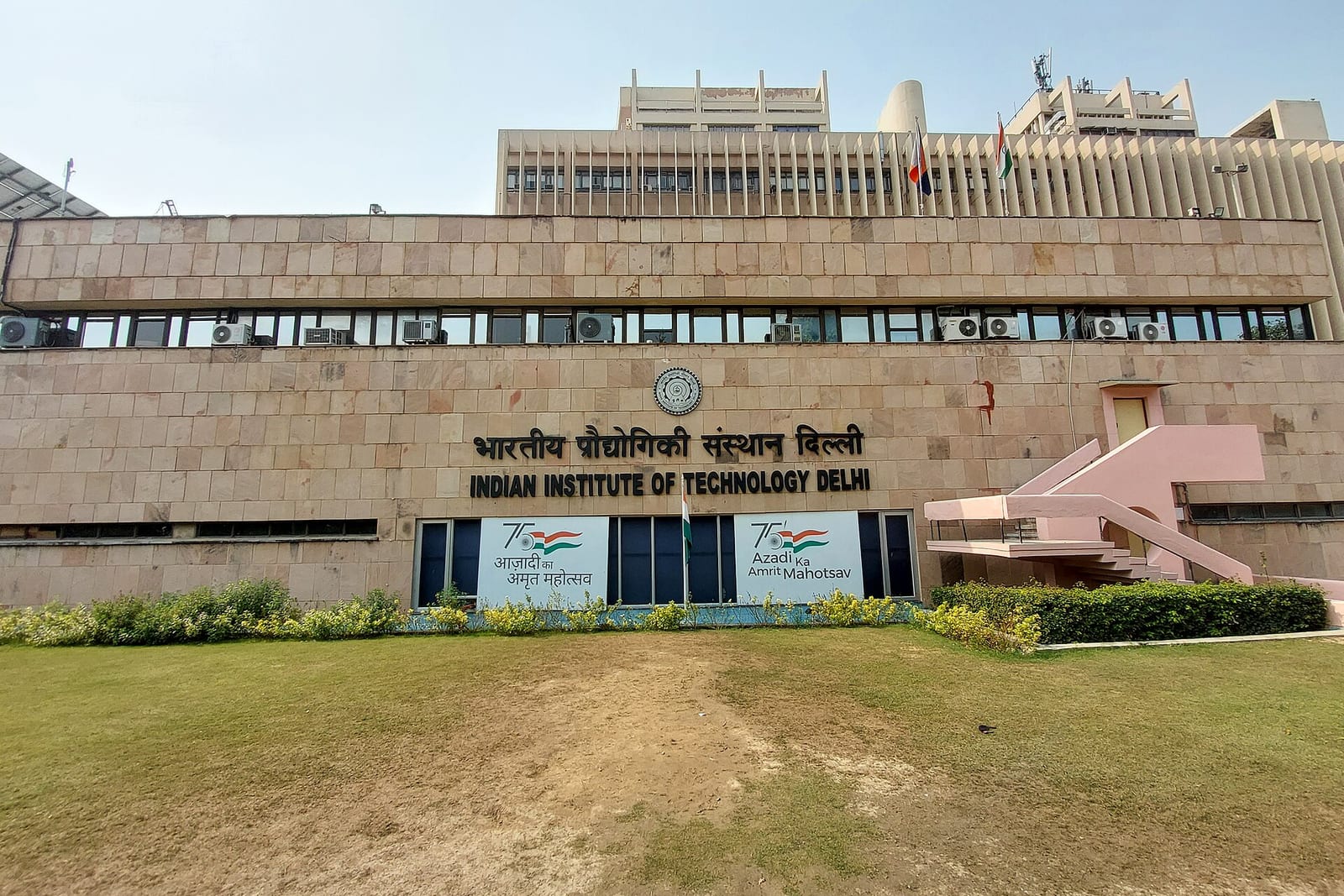
Investors say an IIT degree speeds up the trust start-up money runs on, and scholars trace that degree to caste advantage. Federal programmes for Dalit founders mostly lend.
For 111 days, viewers in India could not see Tarluvada's Dalit residents describe losing land to Google's data centre. The order came from the state police, and no one has explained it.
When we refused to allow the revenue officials to survey our land, they told us that it would be taken at any cost as the plot was assigned to us by the government.
— Cherlapally Baliah, a Dalit farmer in Islampur, Medak district, to The News Minute, 2022
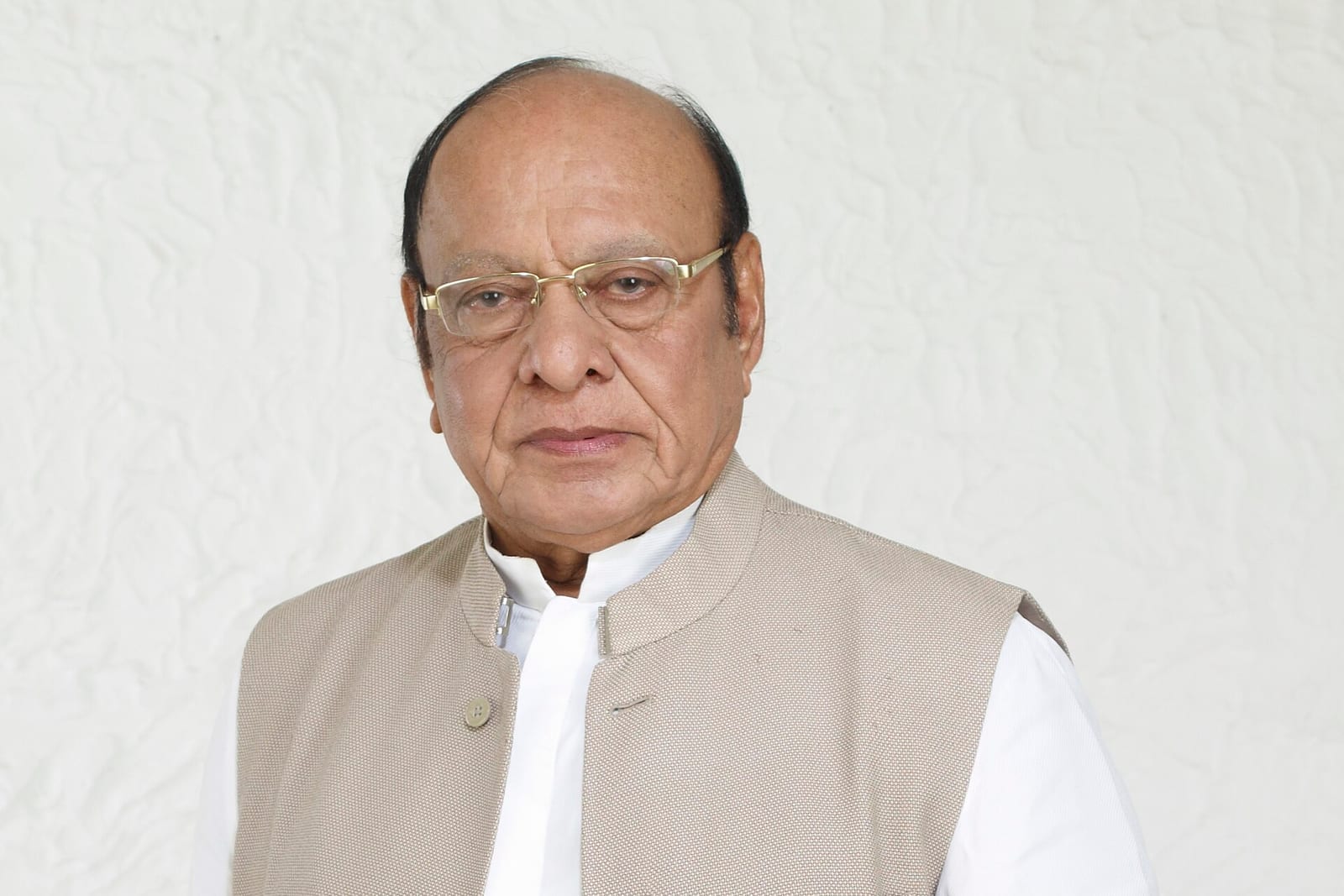
Shankersinh Vaghela dared reservation's opponents to clean excreta for Rs 50,000 a month. The BJP's reply, that the practice is gone, echoes an official definition the dead don't fit.
They have to mechanise the entire system. More importantly, they have to delink caste from occupation. Families that have been doing this work for generations must be given dignified alternative livelihoods. Until that happens, people will continue entering sewers because they have no other choice.
— Bezwada Wilson, national convenor of the Safai Karamchari Andolan, to ThePrint, August 2026
92%
of the 54,574 sewer and septic-tank workers in towns and cities verified under NAMASTE, the federal scheme for sanitation workers, belong to Scheduled Caste, Scheduled Tribe or Other Backward Class communities: 67.9% Scheduled Caste, 15.7% Other Backward Class and 8.3% Scheduled Tribe.
Source: Ministry of Social Justice and Empowerment, answer to Lok Sabha Unstarred Question 3453, 17 December 2024. The same answer said the work "is an occupation based activity rather than caste based".
Showing —
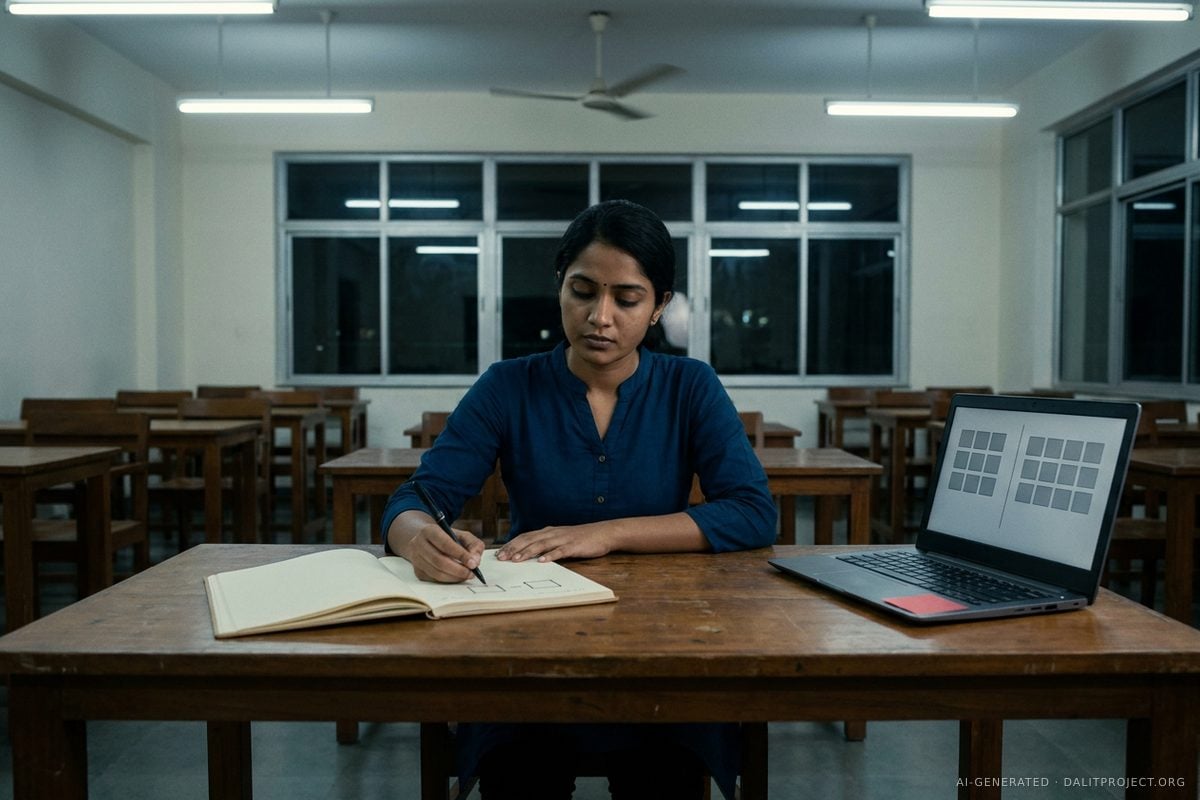
Illustration: a researcher sketches two linked squares beside a laptop showing grids of grey tiles in an empty computer lab at night. — DalPro Frames (AI-generated) – Why AI image?
Tests since 2023 find that chatbots and image generators reproduce caste hierarchy. Most are lab tests, not audits of hiring or lending tools in real use in India.
Shankersinh Vaghela dared reservation's opponents to clean excreta for Rs 50,000 a month. The BJP's reply, that the practice is gone, echoes an official definition the dead don't fit.
Telangana says it is testing an allegation against a former chief minister. The notices have gone to Dalit families who have farmed Erravalli's assigned land for 60 years.
For 111 days, viewers in India could not see Tarluvada's Dalit residents describe losing land to Google's data centre. The order came from the state police, and no one has explained it.
Colonial officials reserved DC Manna land for the "Depressed Classes". Officials say 190 acres are left, and Dakshina Kannada's Dalit groups say they will step up protests if allotments don't begin.
Investors say an IIT degree speeds up the trust start-up money runs on, and scholars trace that degree to caste advantage. Federal programmes for Dalit founders mostly lend.
From 1892 the colonial state granted land to the "Depressed Classes" on condition it stay with them. Tamil Nadu says 186,000 of 1.2 million acres are left, and promises a commission.
The 2013 Act defines a manual scavenger and, separately, hazardous cleaning of sewers and septic tanks. Workers sent into sewers fall between the two, and outside its rehabilitation list.
India's records call these deaths "hazardous cleaning" accidents, never manual scavenging, the caste-bound work a 2013 law banned. The label decides who is counted and who is owed.
Courts in Odisha bailed Dalit and Adivasi accused on condition they sweep a police station. The Supreme Court struck the conditions out as caste-coloured.
Dalit engineers in the US and India describe the same filter: questions that locate caste, referral networks, and reviews that read dominant-caste comfort as merit.