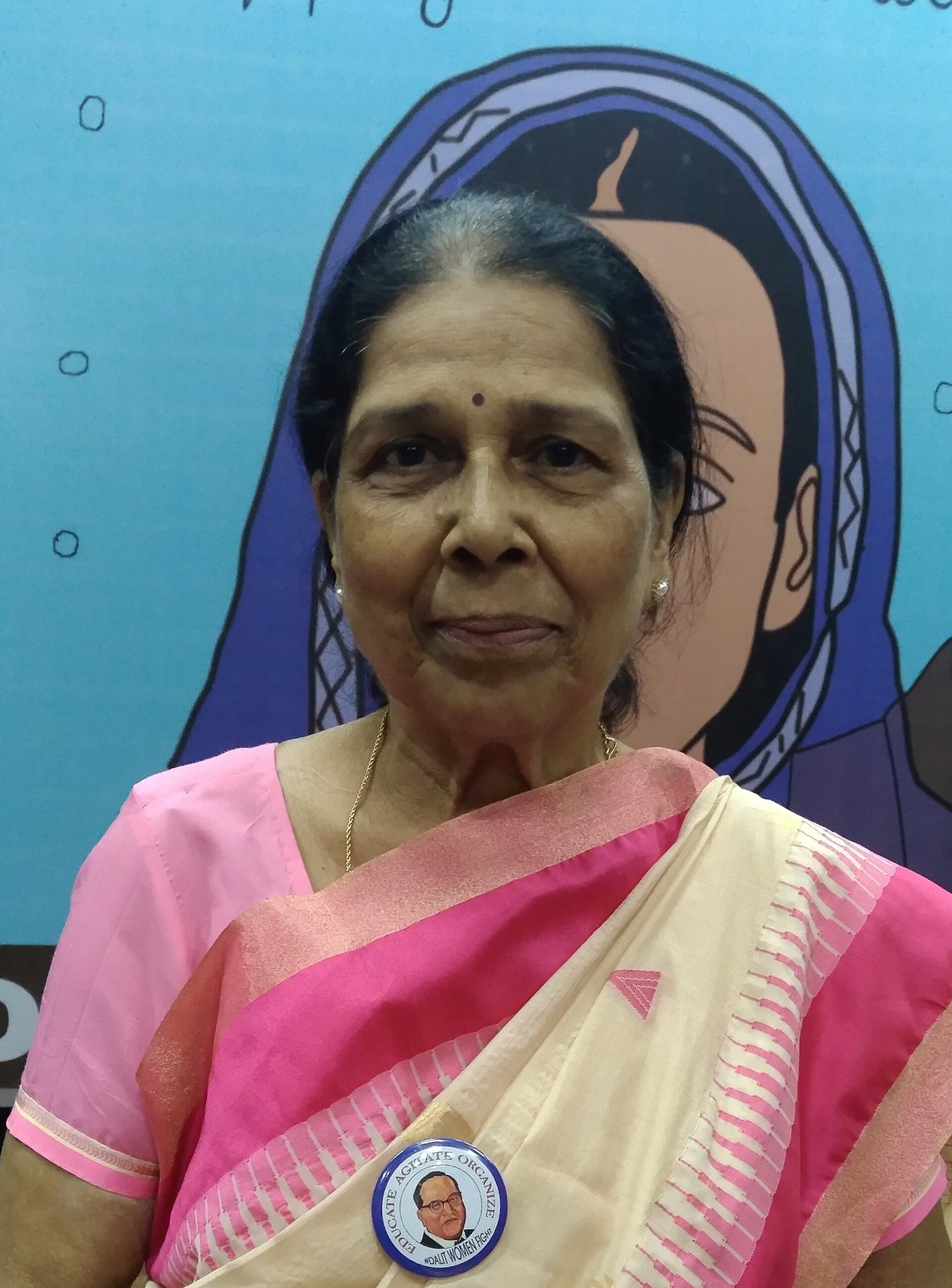
Urmila Pawar weaves Dalit women into the record
From a Konkan village to Mumbai's women's movement, the Marathi-language writer has spent fifty years putting Dalit women, and the caste and patriarchy that bound them, on the page in their own terms.
Coverage
Caste and gender together — Brahminical patriarchy, Dalit women, queer, trans, and disabled Dalit people.
In focus
From a Konkan village to Mumbai's women's movement, the Marathi-language writer has spent fifty years putting Dalit women, and the caste and patriarchy that bound them, on the page in their own terms.
My mother was an expert at weaving; similarly I also wove with words.
Roughly what a Dalit woman earned for a day of paddy transplanting in Mahatwar, Uttar Pradesh, in cash and rice, against the local daily wage for men.
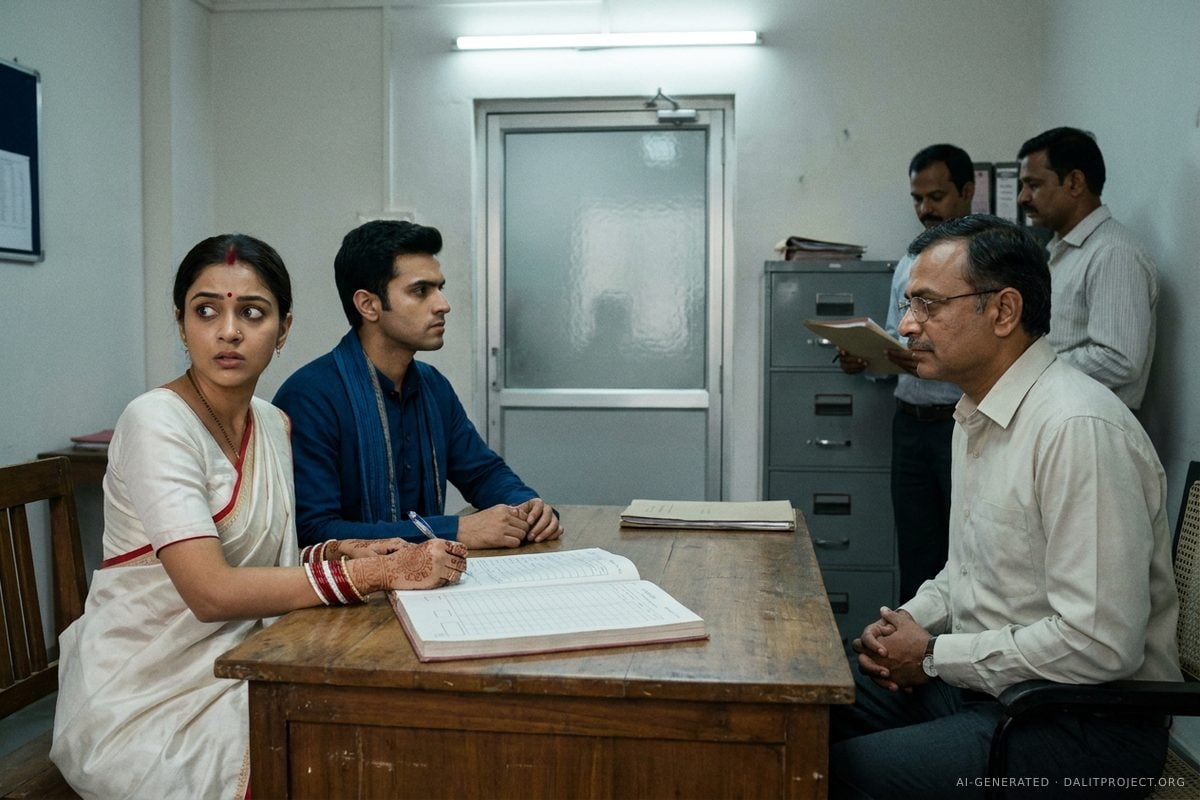
Police suspect Vimal Vaniya's wife's brother and two other men killed him over a marriage her family tried to undo. The Supreme Court asked Parliament for a law in 2018, and there isn't one.
The real remedy for breaking Caste is inter-marriage. Nothing else will serve as the solvent of Caste.
Of Indians say it is very important to stop women in their community marrying into another caste; 62% say so of men.
Her book Dalit Women and the Fullness of Life is sharpest on merit, allyship and who sets the terms. Its turn to joy as a political practice is braver than it is finished.
I very seriously see Dalit as a political identity and not as a caste location.
in roles across India, China, Singapore and the Netherlands, with government, business and development organisations, by her own account.
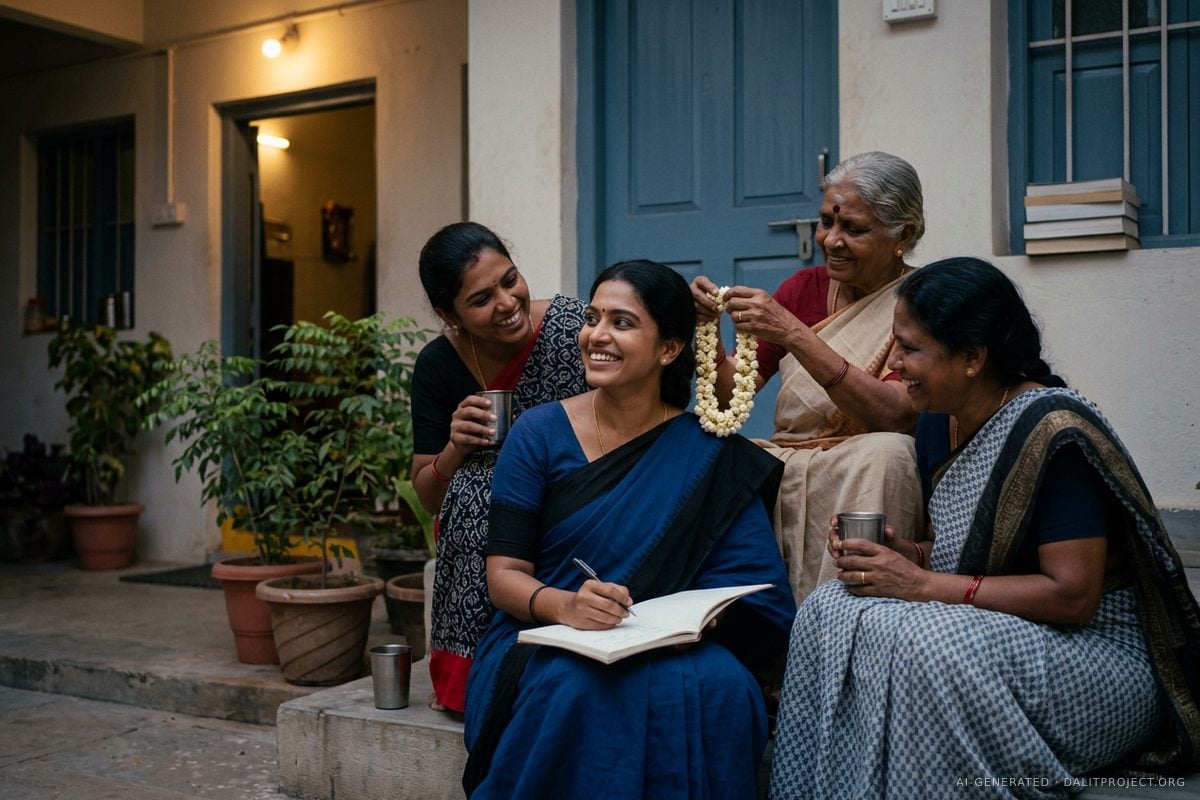
Her book Dalit Women and the Fullness of Life is sharpest on merit, allyship and who sets the terms. Its turn to joy as a political practice is braver than it is finished.
Twenty years after a mob killed a Dalit family of four, eight men stand convicted of murder and none of an atrocity. One court even counted the absence of caste in their favour.
Police suspect Vimal Vaniya's wife's brother and two other men killed him over a marriage her family tried to undo. The Supreme Court asked Parliament for a law in 2018, and there isn't one.
The co-founder of Dalit History Month has spent more than a decade making spaces where Dalit women tell their own story. Her first book is the newest of them.
The journalist who hid her Dalit caste, then named it in public, now reports on caste in the diaspora and helps organise New York's caste-law campaign. She answers her Dalit critics in print.
The Telugu Dalit writer has turned the speech of Madiga women in a Telangana village into literature, and gathered eight decades of Dalit women's writing in Telugu into print.
From a Konkan village to Mumbai's women's movement, the Marathi-language writer has spent fifty years putting Dalit women, and the caste and patriarchy that bound them, on the page in their own terms.
Gidla traced her Dalit Christian family's caste through mission schools, communist parties, a police cell and a New York subway job. Her newest writing turns to her mother.
India's 2026 transgender law stripped self-identification from the 2019 Act. A Dalit, Bahujan and Adivasi trans and queer network named it the same denial Dalits met in 1932.
A study of 16 years of survey data links more intercaste marriage to a 37 to 43 percent fall in child-stunting inequality. Yet only about one marriage in twenty crosses caste.
The Mumbai artist known for archiving the Dalit Panthers' magazines makes work about who gets to picture Dalit women, and what even the anti-caste movement lets them be.
A 2023 survey in rural Uttar Pradesh found Dalit women paid Rs 144 a day for paddy transplanting, against Rs 290 for men. The gap rests on caste as well as gender.