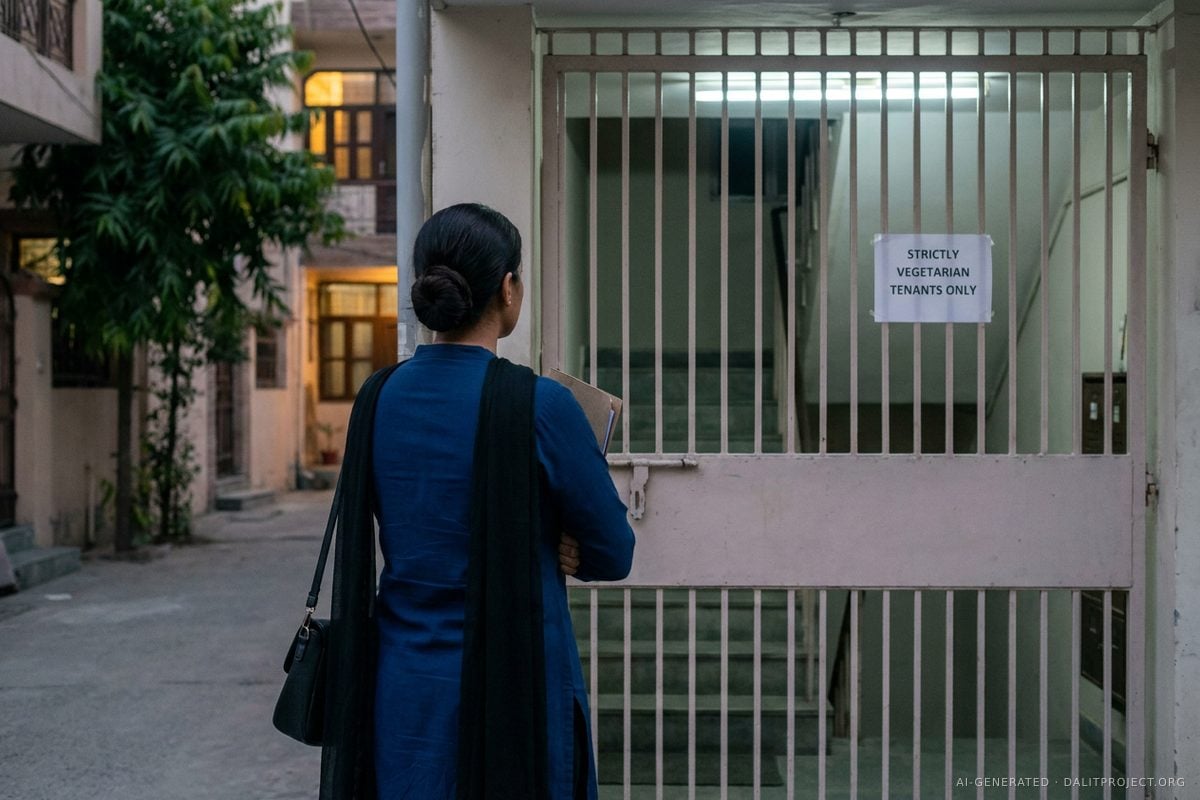
Kavali Chandrakanth KCK, CC BY-SA 4.0
Analysis · Atrocity
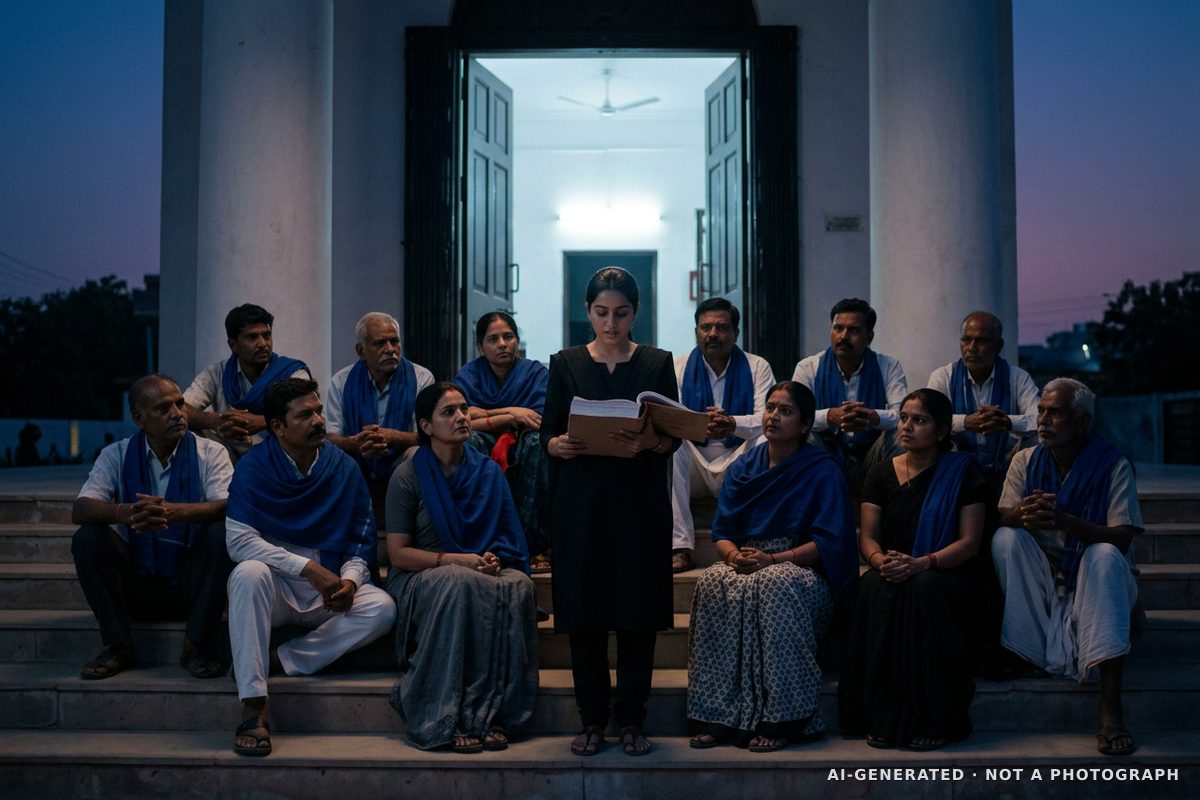
After Rohith Vemula, Telangana's campus caste law is still a committee
Telangana named a bill after Rohith Vemula in April and gave it to five ministers.
Telangana named a bill after Rohith Vemula in April and gave it to five ministers.
Tests since 2023 find that chatbots and image generators reproduce caste hierarchy.
Walked out on as a boy poet in Vinukonda, the Telugu Dalit poet mastered the classical verse of…
In 2024 India's courts finished trials in fewer than 5 of every 100 caste-atrocity cases before them, and convicted in a third of those. The Una and Dangawas verdicts show what happens to the rest.
This shows how difficult it is for Dalits to get justice. This is eroding the trust in the justice system and the guarantee of justice that our constitution gives us.
Crimes against Scheduled Castes awaiting trial at the end of 2024: 95.2% of the cases before the courts. A third of finished trials ended in conviction.
Three years after Darshan Solanki's death, another Dalit student has died at IIT Bombay, and the institute's first account again centred on the student. Students want many of the same reforms.
… there was a vaccine to cure Covid, and similarly, the Rohith Act is a cure for casteism.
Posts reserved for Scheduled Castes in India's 45 central universities that stood vacant on 1 April 2021.
Untouchability has never needed anyone to announce a motive. India's Scheduled Castes commission went looking for one in Haldwani.
But after my speech, you … tried to insult me by doing a purification ritual … you made me feel the sting of untouchability.
Of respondents to the India Human Development Survey (2011–12) who said they practised untouchability in some form.
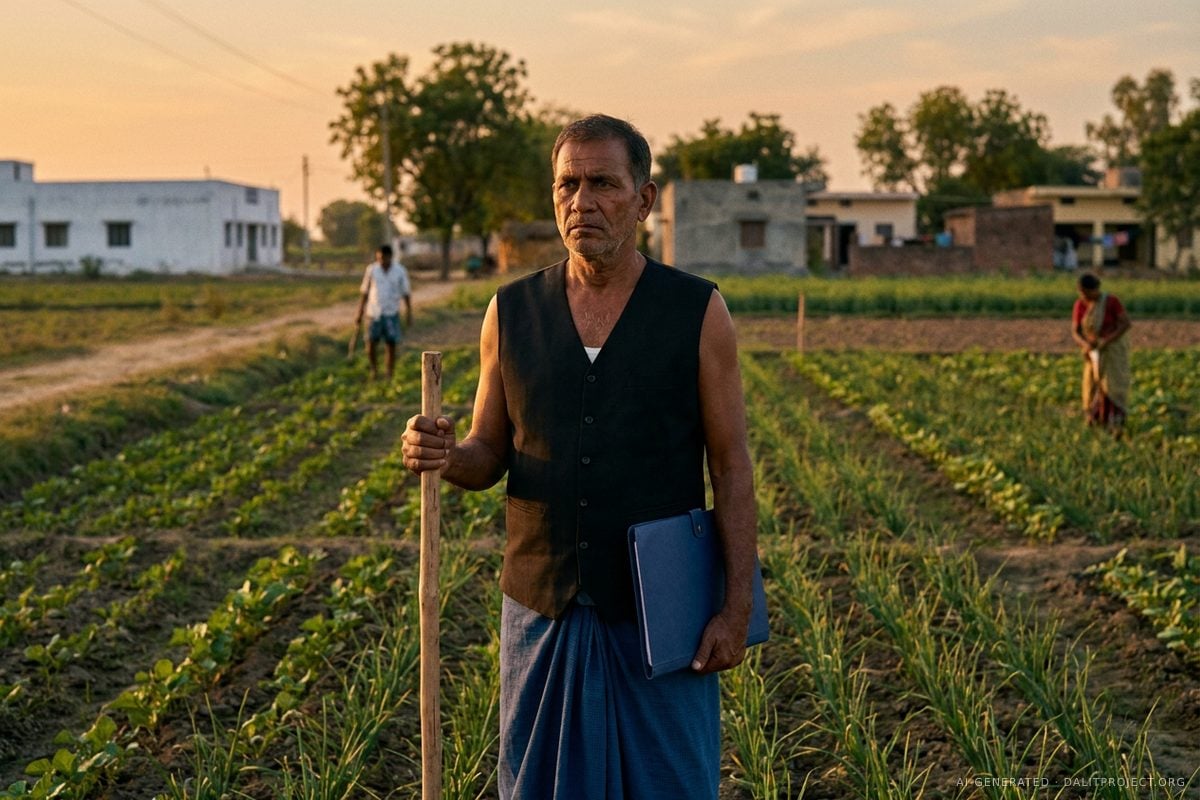
Telangana says it is testing an allegation against a former chief minister. The notices have gone to Dalit families who have farmed Erravalli's assigned land for 60 years.
I am a farmer, without my land I am nothing.
Panchami land left in Tamil Nadu out of the land granted, the state's social justice minister told the Assembly, citing RTI replies.
Each state built its case on its own commission's evidence after India's Supreme Court allowed the split in 2024. Federal records count Dalits in central jobs, not which Dalit communities hold them.
A census produces data. Data by itself does not produce equality.
Lok Sabha seats reserved for Scheduled Castes since the 2008 delimitation, up from 79.
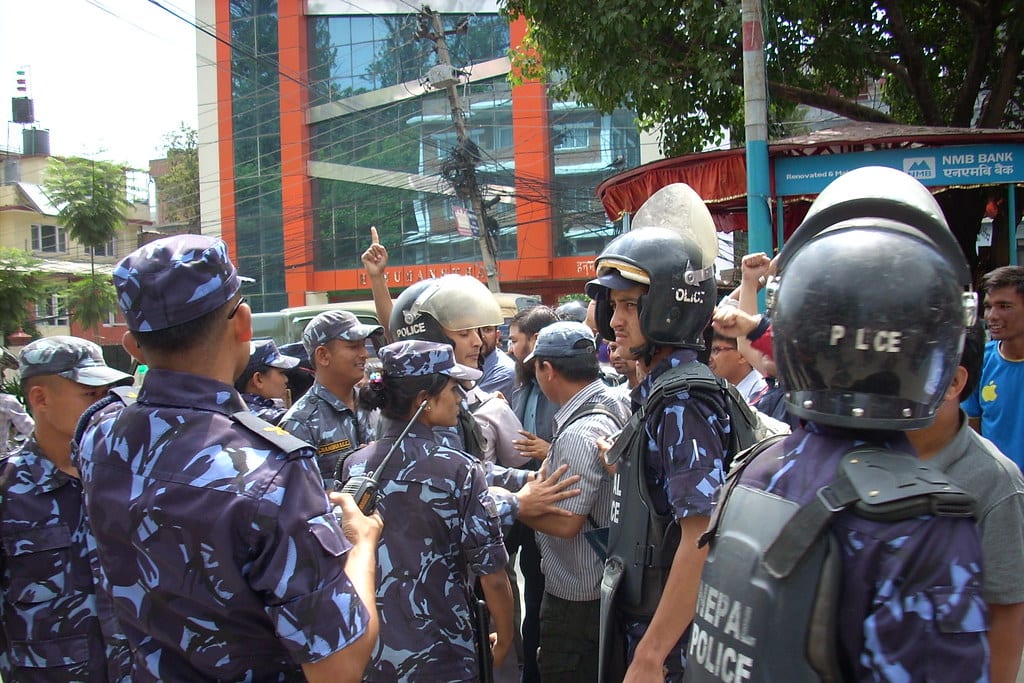
Nepal told the UN it had apologised to Dalits. No apology was passed by the Cabinet or gazetted, and a Dalit man's death in police custody was investigated only by the police.
Sometimes I was evicted after landlords learned my caste. At other times, I faced physical violence. Now it is time to fight the final battle and end this discrimination once and for all.
Untouchability cases Nepal Police registered in the 2021/22 fiscal year, after 30 the year before.
India's law against caste violence promises special courts and two-month trials. Khairlanji ended with no atrocity on the record; Una took almost ten years to convict five men of 41.
They don't collect tax because we are Dalits. They have two different graveyards for Dalits and caste Christians, that shouldn't exist.
cases under the SC/ST Act were pending trial across India at the end of 2024, the highest in five years.
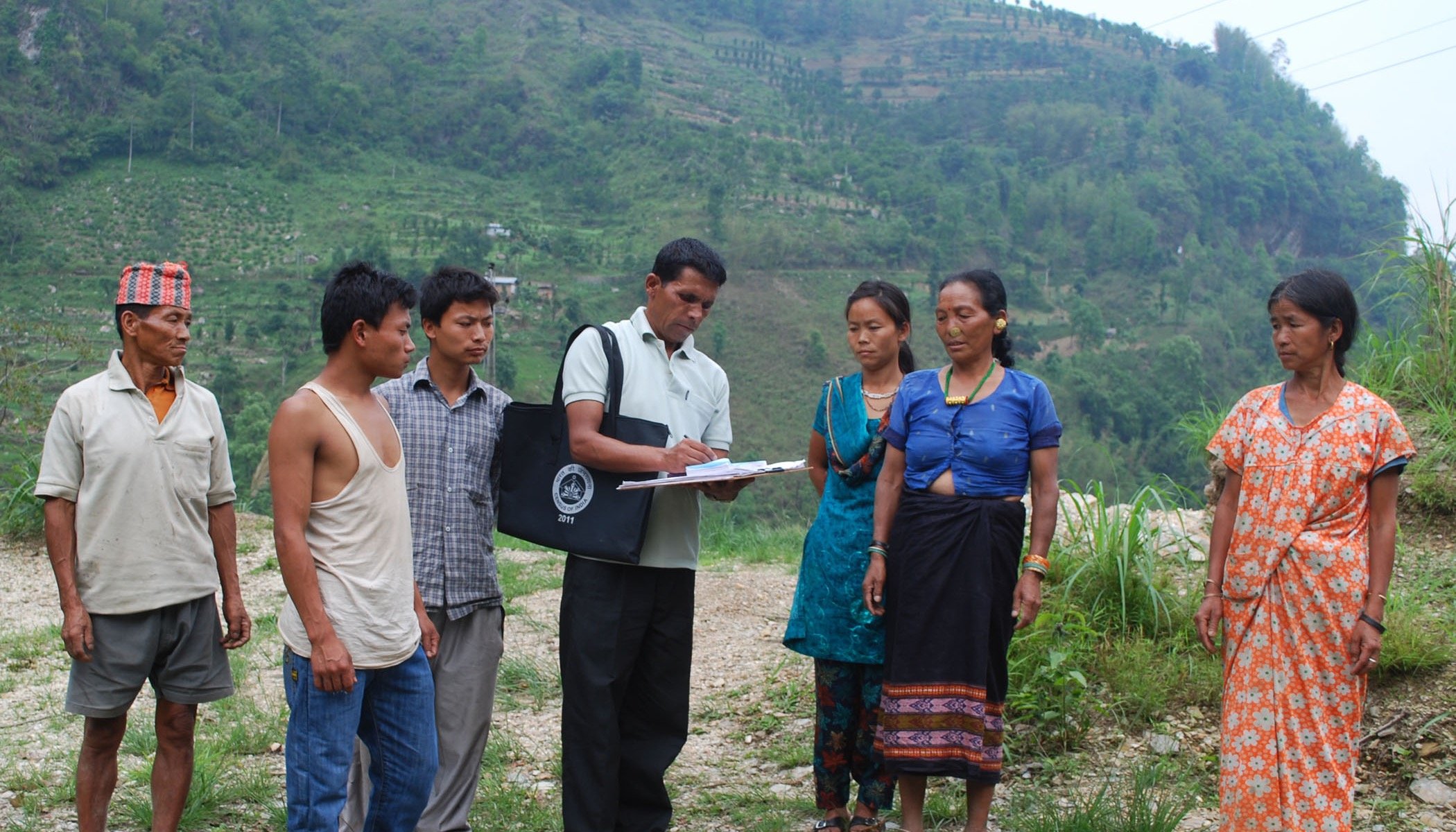
Census 2027 asks everyone outside the SC and ST lists to write in a caste. Who sorts those answers, and which Dalits the list leaves out, is still open.
What can possibly be done is to exclude the economically better SCs from economic concession and various caste-based subsidies but not from job reservation.
Share of federal government posts held by Scheduled Castes on 1 January 2026, against a 15% quota. How those posts divide among the communities on the list is not recorded centrally.
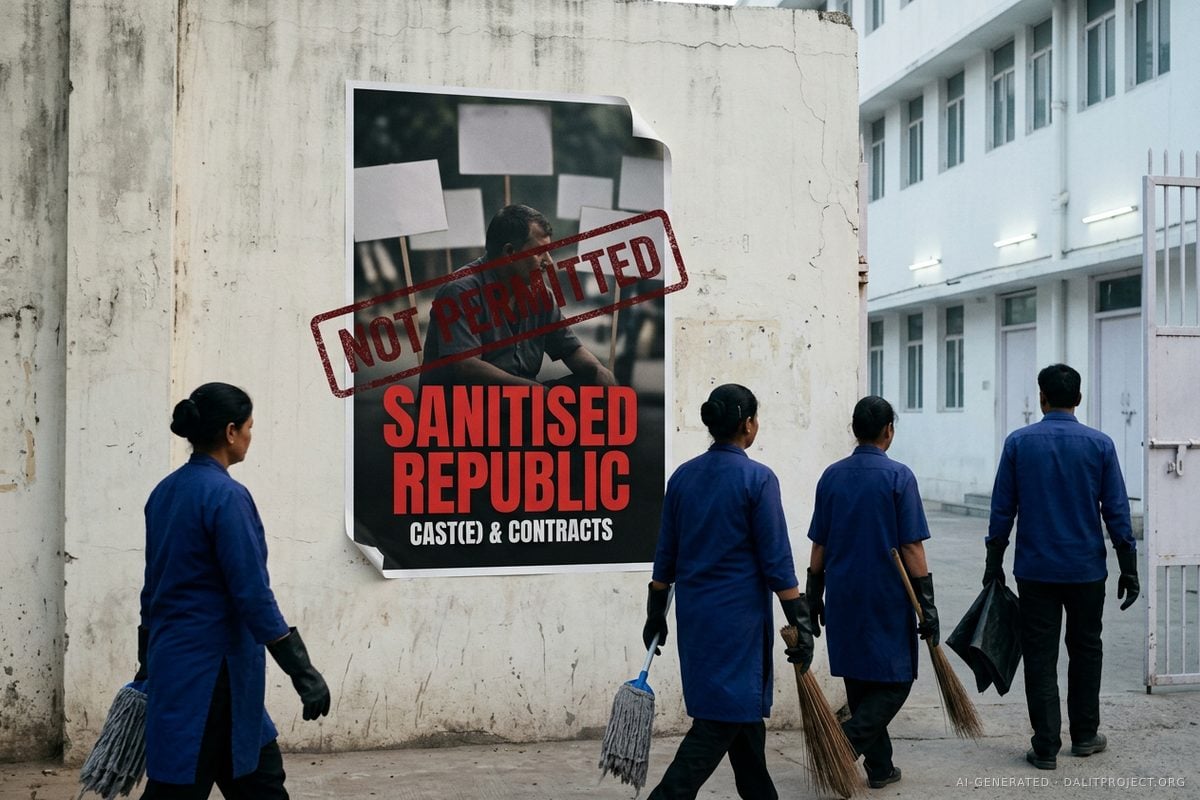
The information ministry asked for cuts, got them, and still hasn't cleared Sanitised Republic for Kerala's documentary festival.
When we refused to allow the revenue officials to survey our land, they told us that it would be taken at any cost as the plot was assigned to us by the government.
of the 54,574 sewer and septic-tank workers in towns and cities verified under NAMASTE, the federal scheme for sanitation workers, belong to Scheduled Caste, Scheduled Tribe or Other Backward Class communities: 67.9% Scheduled Caste, 15.7% Other Backward Class and 8.3% Scheduled Tribe.
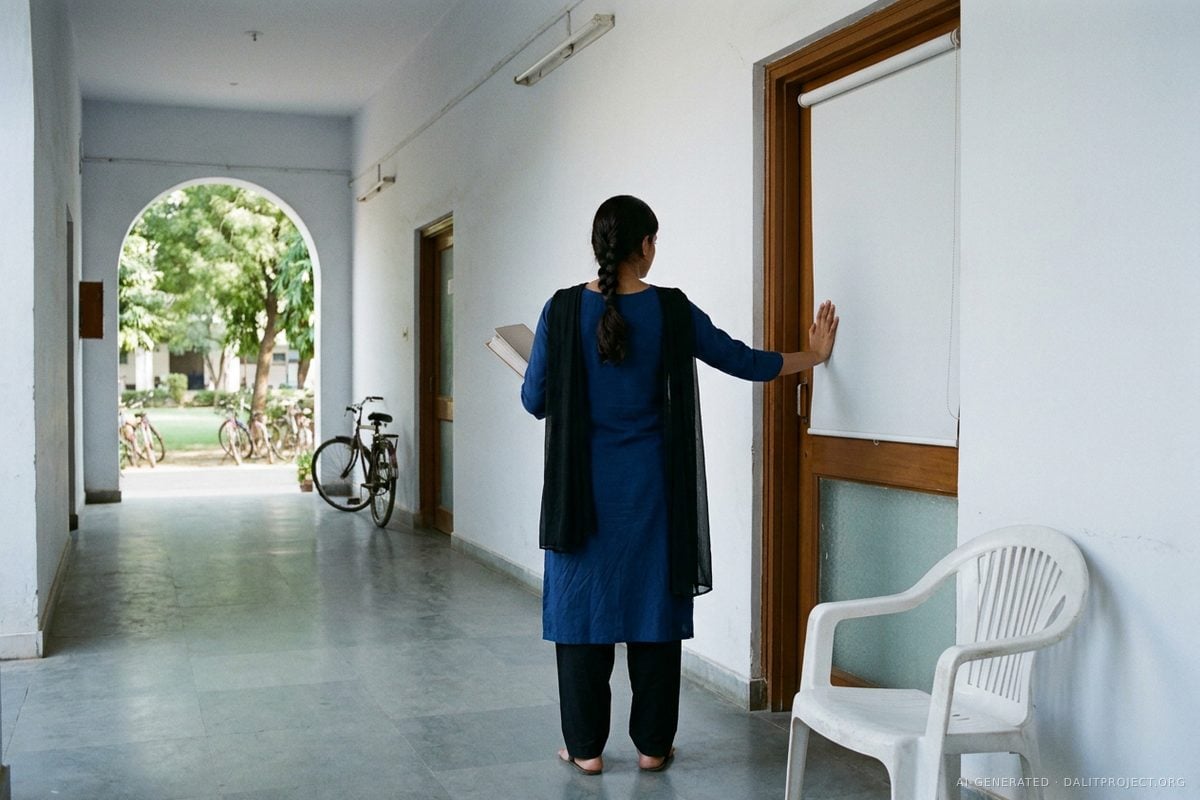
The Dalit M.Ed. student says faculty harassed her and held her marks down. The national commission that took up her case can demand answers, but has no power of its own to punish.
The fear in the Brahminical establishment is that a Dalit can enter this so-called prestigious institute with a voice and assertion. Their deepest insecurities were exposed in the way this case was handled.
West Bengal's OBC reservation in state government posts, after the May 2026 notification restored the pre-2010 list of 66 classes.
A paper at this year's FAccT conference argues that auditing AI image models for caste bias one category at a time misses how caste works: as a ranking between groups.
We are good at our jobs and we are good engineers. We are role models for our community and we want to continue to work in our jobs. But it is unfair for us to continue in hostile workplaces, without protections from caste discrimination.
of Dalit respondents said they had been treated unfairly at their workplace because of their caste, against 12% of Shudra respondents and 0–1% of Brahmin, Kshatriya and Vaishya respondents. All four groups rank above Dalits in the traditional caste order. Equality Labs, Caste in the United States (2018): a web survey of self-selected South Asian Americans that drew 1,534 responses, 1,200 of them usable, so a pattern among respondents, not a national rate.
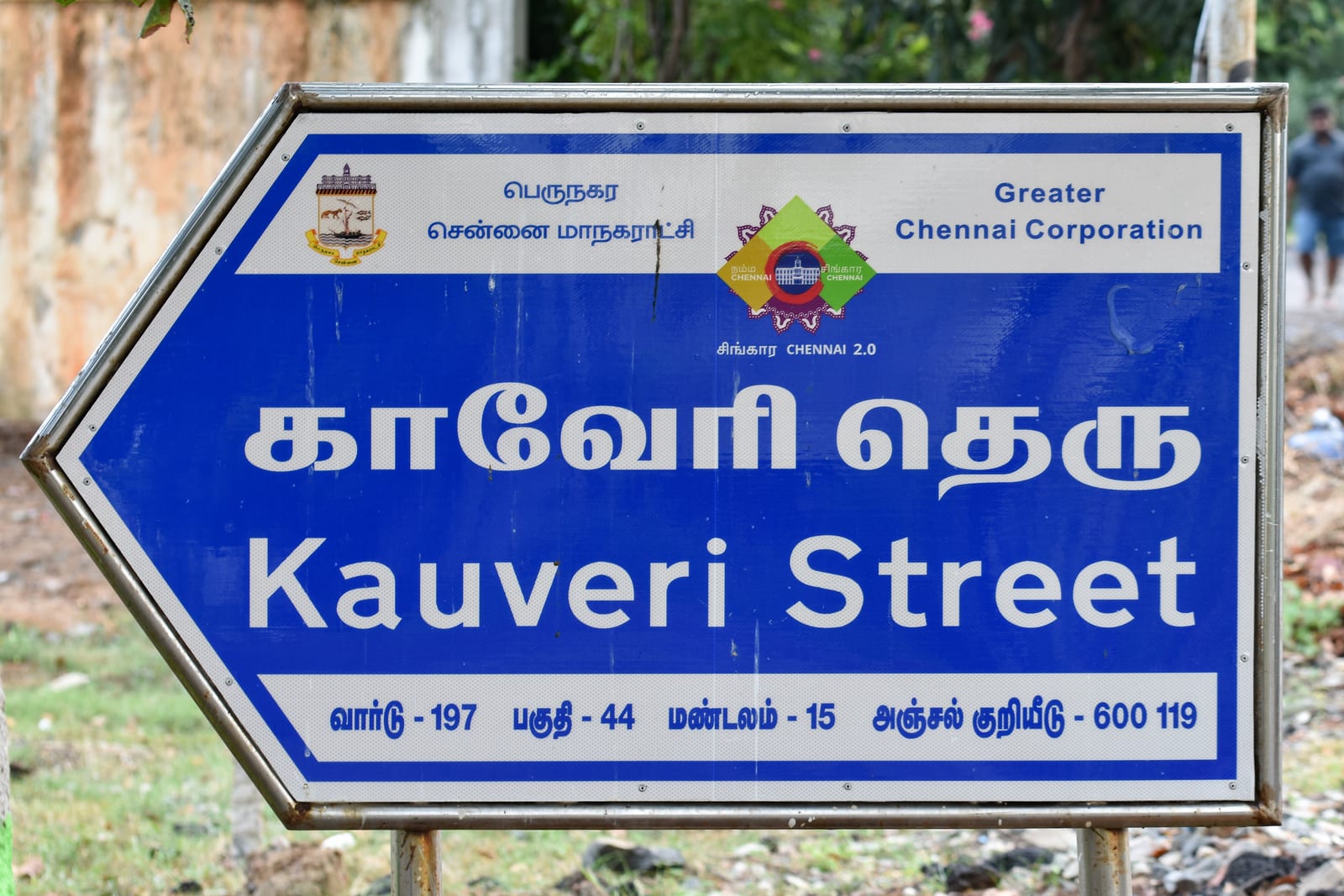
Tamil Nadu's SC/ST Commission has given Collectors a month to strip caste names from streets and settlements. For Dalits whose address told strangers their caste, the name is the point.
It created a space for the visualization, sound modulation and movements of an assertive Dalit body for the first time.
what Sairat earned at the box office, the first Marathi film to reach that mark, as Open magazine reported.
Her book Dalit Women and the Fullness of Life is sharpest on merit, allyship and who sets the terms. Its turn to joy as a political practice is braver than it is finished.
Dalit women in India are the Dalits among Dalits and suffer from three-fold oppression — on account of gender as a result of patriarchy, caste 'the untouchable', and class — as they hail from the poorest and most marginalised communities.
in roles across India, China, Singapore and the Netherlands, with government, business and development organisations, by her own account.
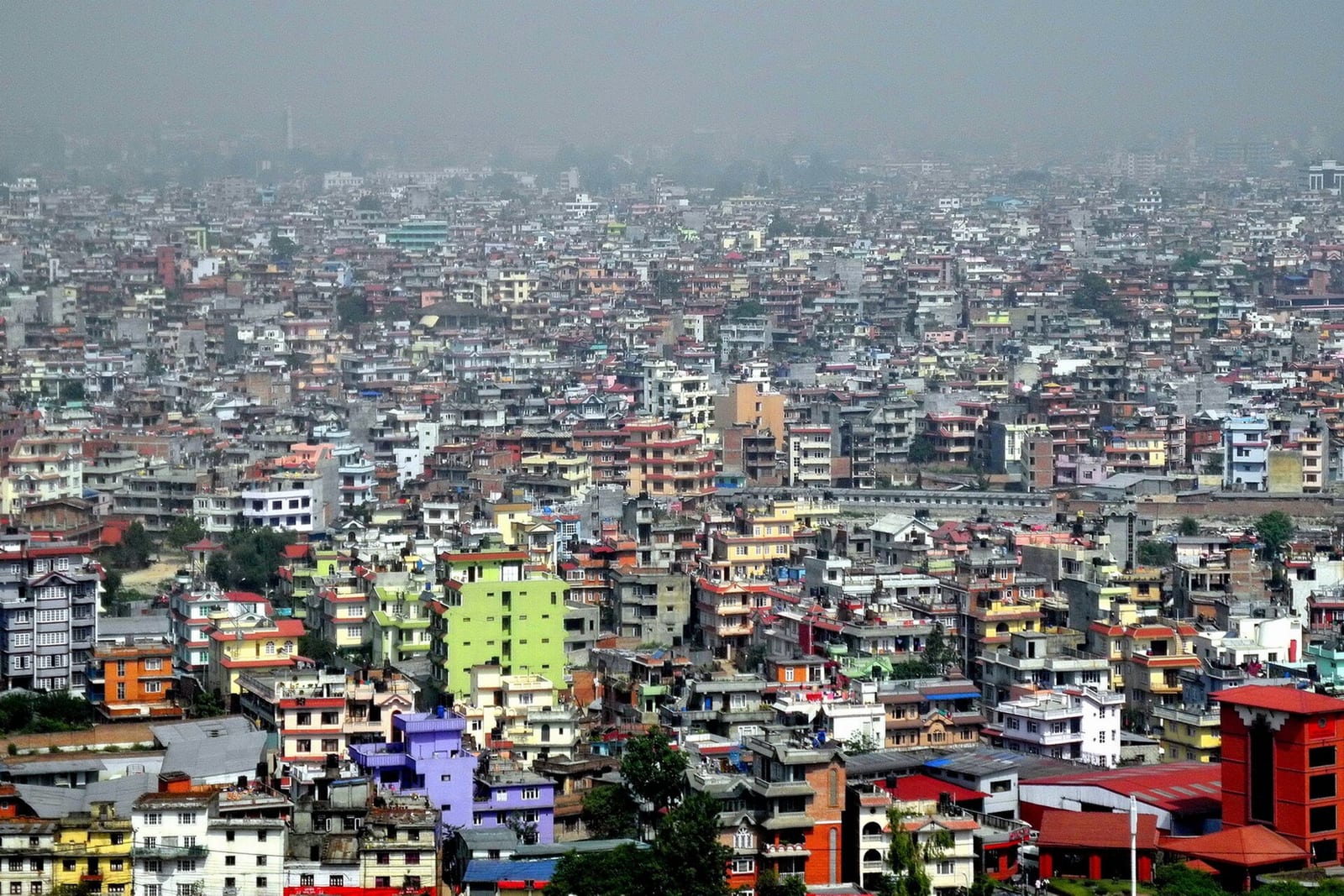
Nepal's 2011 law bans caste discrimination everywhere but never mentions renting. Since April, Deepa Nepali has sat in a Kathmandu square asking the government to close that gap.
The hardest part is getting justice for Dalit victims because police refuse to register complaints. If it is registered, a Dalit hardly gets justice because all institutions are run by upper-caste people who still think Dalits are untouchable.
complaints Nepal Police registered each year under the 2011 caste-discrimination law, 2019/20 to 2023/24.
India abolished untouchability in 1950. Surveys, audits and Dalit testimony show it moved into the rental interview, the hiring shortlist, the marriage market and the kitchen.
You cannot move out of your lower caste. You can obscure it but cannot escape it.
of Dalit home-seekers who met landlords in person got a positive answer, against 97% of dominant-caste Hindu home-seekers with matched profiles, in a 2012 in-person audit of 66 matched home-seekers per group in five cities of the Delhi region.