What is untouchability, and where did it go?
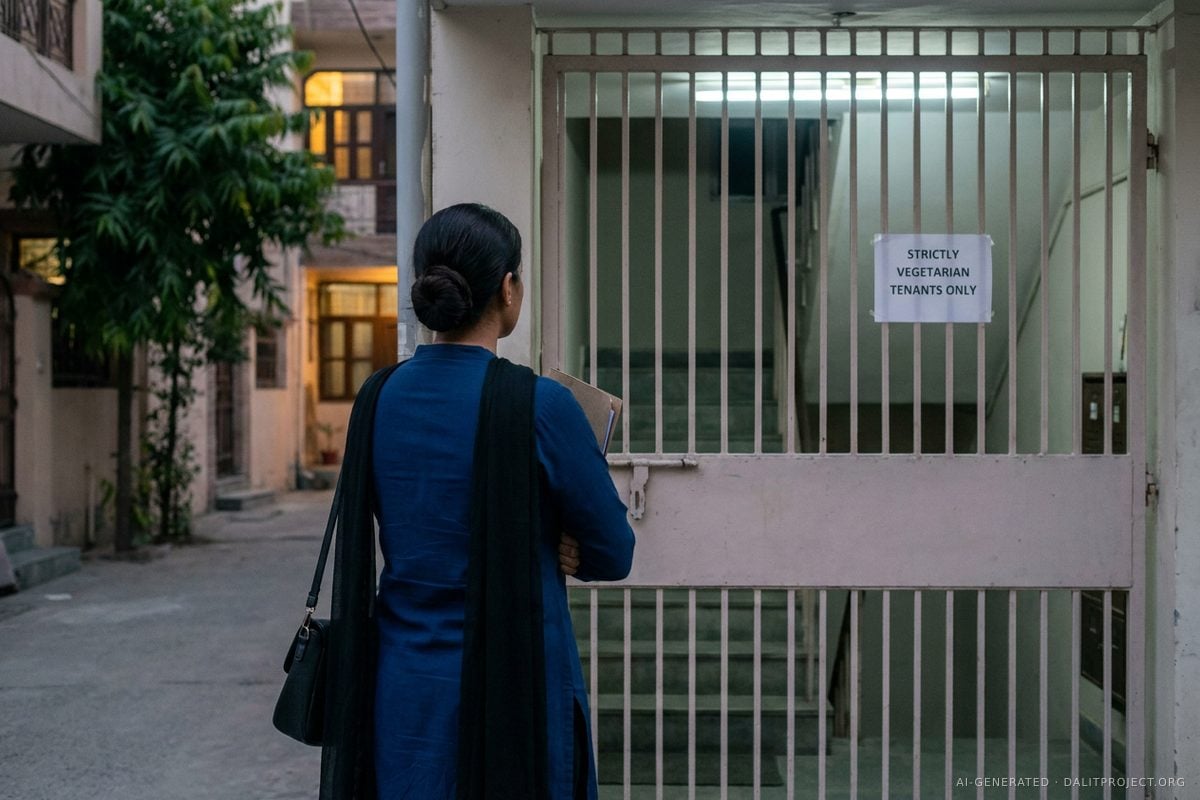
A Dalit home-seeker in the Delhi region answers a landlord’s questions about profession and family background, then hands over documents for police verification. The landlord reads the surname on the papers, and the flat is no longer available. That is how one Dalit home-seeker described it to researchers studying the rental market around Delhi in 2012: “When the landlord learnt about my caste from the name as it appeared in the documents, I was instantly denied the house, with the landlord alluding to the non-vegetarian food habits of Dalits as a reason for the denial,” the study reports.
Nobody in that exchange used the word “untouchable”. Nobody had to.
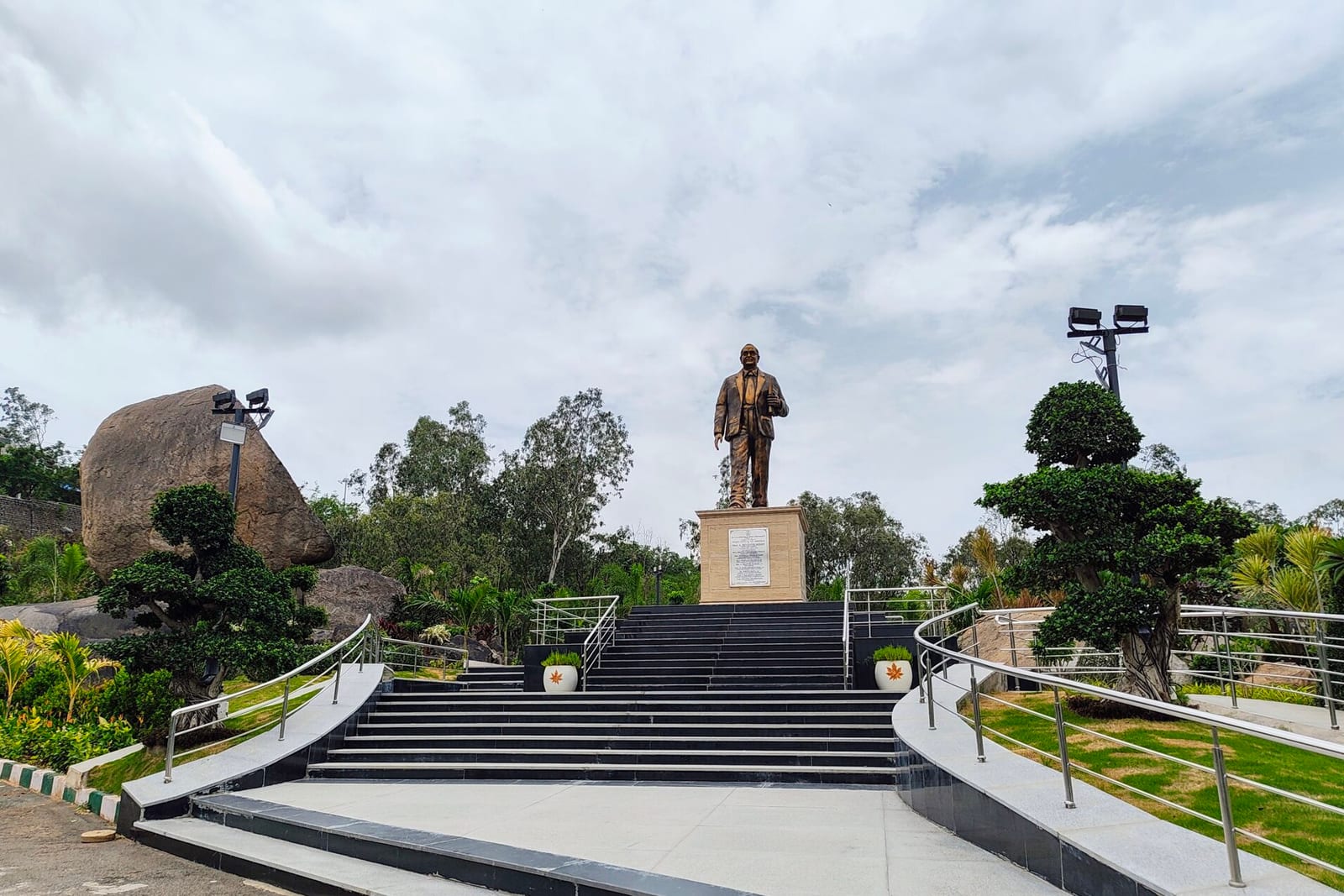
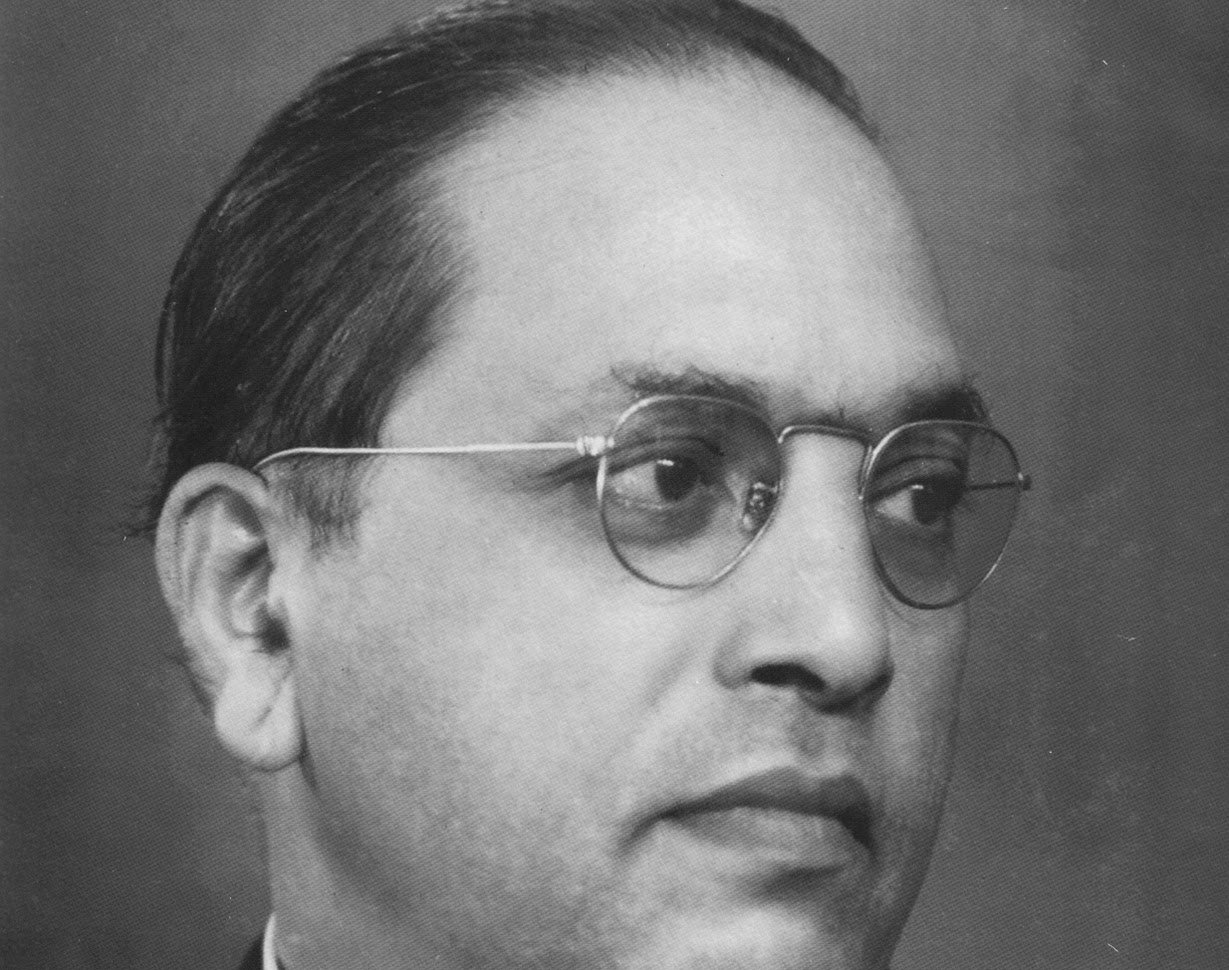
Untouchability is the part of the caste system that treats people born into certain castes, now called Dalits, as a source of ritual pollution: their touch, food, water, shadow and presence are held to defile others. Caste itself is a hereditary order of endogamous groups, groups that marry only among themselves, ranked one above another. B.R. Ambedkar, the Dalit jurist who chaired the drafting of India’s Constitution, recorded what the old enforcement looked like. Under the Peshwas, who ruled the Maratha country of western India in the 18th and early 19th centuries, “the untouchable was not allowed to use the public streets if a Hindu was coming along, lest he should pollute the Hindu by his shadow,” he wrote in Annihilation of Caste in 1936. In Poona, now Pune, the Peshwa capital, Dalits were made to carry a broom “to sweep away from behind himself the dust he trod on”.
Article 17 of the Constitution put an end to that in law: “‘Untouchability’ is abolished and its practice in any form is forbidden,” it says, and enforcing any disability arising from it “shall be an offence punishable in accordance with law”. Parliament later passed the Protection of Civil Rights Act of 1955 and the Scheduled Castes and Scheduled Tribes (Prevention of Atrocities) Act of 1989 to enforce the ban.
The practice did not end with the law. It adapted. The surveys, audits and testimony below show that where open exclusion became illegal or embarrassing, much of it moved into two places that are much harder to police. The first is the proxy: food habits, a surname, “family background”, fit with a company’s culture. The second is the private sphere: the home, the kitchen, the marriage, the circle of close friends. The purity-and-pollution logic stays. What changes is how openly it is performed, and how easily it can be denied.
How common is it?
India’s largest non-government household survey asked directly. The India Human Development Survey (IHDS), run by the National Council of Applied Economic Research (NCAER) and the University of Maryland, asked more than 42,000 households in 2011–12: “Does anyone in your family practise untouchability?” If the answer was no, it asked: “Would it be okay for a Scheduled Caste person to enter your kitchen or use your utensils?” (Scheduled Castes is the legal term for Dalits.) Across India, 27% said yes to practising untouchability in some form, The Indian Express reported in 2014.
The pattern followed the hierarchy. Among Brahmin respondents, from the priestly caste at the top of the ritual order, 52% said yes. So did 33% of respondents from Other Backward Classes (OBCs), a broad legal category of historically disadvantaged castes, most of them in the middle of the ritual order. The survey found higher incomes did not dent the practice, though education made a difference, especially among Brahmins and OBCs. “Caste identity is sticky baggage, difficult to dislodge in social settings,” said Amit Thorat of NCAER, the lead researcher, according to the report.
A later survey pressed harder in the cities. Social Attitudes Research, India (SARI) interviewed more than 8,000 people by phone in 2016. In Delhi, 39% of non-Dalit Hindu women and 27% of men said someone in their household practises untouchability; 21% of the women said they did so themselves, the researchers found. The survey’s own gloss on the word is telling: when respondents did not understand the question, surveyors explained that one meaning is that “some people think that it is not good to sit down and eat with” Dalits.
These are admissions. People who practise untouchability but would not say so, or do not see their behaviour that way, are not in these numbers.
27% of Indian households admitted to practising untouchability in some form, either directly or by saying a Dalit could not enter their kitchen or use their utensils. Source: India Human Development Survey (NCAER / University of Maryland), 2011–12, as reported by The Indian Express
48% of Dalit home-seekers who met landlords in person got a positive answer, against 97% of dominant-caste Hindu home-seekers with matched profiles, in a 2012 in-person audit of 66 matched home-seekers per group in five cities of the Delhi region. Source: Thorat, Banerjee, Mishra and Rizvi, Economic & Political Weekly, 2015
Why is housing the front line?
Renting is where a stranger’s caste first becomes a landlord’s business. The Delhi-region study, by the economist Sukhadeo Thorat and colleagues, used an audit method developed in the United States: matched home-seekers whose profiles differed in names that signalled their caste or religion. On the phone, all 493 dominant-caste Hindu callers got a positive response; 59% of Dalit callers did. In face-to-face meetings, where landlords could size people up, the gap widened. The in-person sample was much smaller, 66 home-seekers in each group, and the researchers note that this may account for part of the difference. A negative answer came for 44% of Dalit and 61% of Muslim home-seekers, and for none of the dominant-caste Hindus, the study found.
The refusals were rarely stated as caste. Landlords “often associate various terms like ‘uncleanliness,’ ‘pollution,’ ‘non-vegetarianism,’ ‘intolerance of other tenants towards non-vegetarians,’ and offer other excuses as pretexts” for refusing Dalit and Muslim tenants, the researchers wrote. Sometimes the mask slipped. One landlord explained his refusal of a Dalit tenant this way: “members of a highest caste, we have to observe norms by avoiding any association with non-vegetarian Dalits”, the study records.
Getting a flat did not end it. Dalit and Muslim tenants who found homes often did so on worse terms: higher rents, steep annual increases, rules about food and “cleanliness”, and in some cases being pushed out when the landlord later learned their caste, the study records.
Food is a favoured proxy because it is deniable. A “vegetarians only” rule can be defended as personal preference, religion or hygiene. It still sorts people along caste lines, since many dominant-caste communities follow vegetarianism, and the landlords in the Delhi study used it that way. When asked in the abstract, most Indians outside the Scheduled Castes and Tribes, the only people Pew asked, say they are fine with Dalit neighbours: 77% of college graduates told the Pew Research Center they would accept neighbours from Scheduled Castes, Pew found in a survey carried out from November 2019 to March 2020. About three in ten Brahmins Pew surveyed said they would not. What people say in a survey and what a landlord does when a Dalit tenant is standing at the door are different measures.
What happens at work?
The hiring shortlist is the next gate. In a field experiment on entry-level jobs at private firms, from banks and IT services to manufacturing, researchers sent three equally qualified applications to each post, differing in a name that marked the applicant as dominant-caste Hindu, Dalit or Muslim. Candidates with a Dalit name “had 0.67 times the chance of a favourable outcome as an equivalently qualified applicant” with a dominant-caste Hindu name, Round Table India summarises from the study by Sukhadeo Thorat and Paul Attewell.
Interviews add a softer filter. In research by the sociologists Surinder Jodhka and Katherine Newman, almost every hiring manager interviewed “agreed that one of the most essential questions they ask during interviews is about the candidate’s family background,” the same summary notes, and the candidate’s fit with the company’s culture was judged by it. “Family background” and “fit” do not mention caste. They do not need to.
Inside the office, the signals are quieter still. When Rest of World interviewed 35 workers in India’s tech industry, those from oppressed castes described exclusion that rarely broke any written rule. “Caste discrimination is felt at a deeper level,” said Dhruva, a tech worker from a disadvantaged caste at a large edtech firm, who was granted anonymity. “One need not say anything, but small actions, intonation, or even body language emit bias against the disadvantaged castes in the workplace,” Dhruva told Rest of World.
i
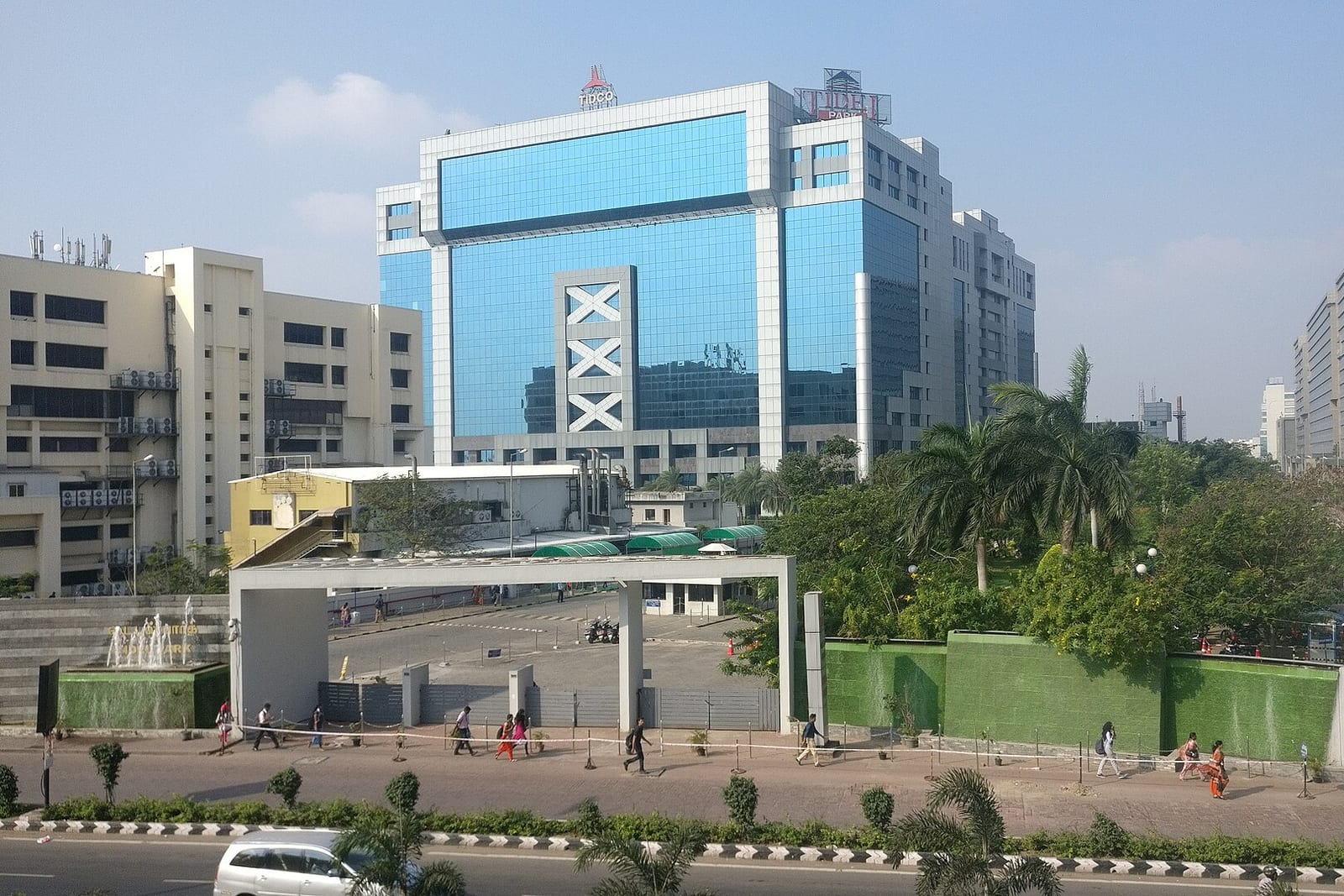
CC BY-SA 4.0Original on Wikimedia CommonsLike Dhruva, the other tech workers quoted here spoke to Rest of World on condition of anonymity and are identified only by the first names it used; Ravi is not his real name. Food gives people away here too. Hemant, who worked at a software firm in the southern city of Chennai, with a mostly Brahmin leadership, said his surname could pass as Tamil Brahmin. “The only time they found out about my caste was when we went out for team lunches and I ate nonvegetarian food,” he said. He said he was not ostracised, but sensed that colleagues saw him differently from then on. “I was not a part of the pack anymore,” he told Rest of World. He said his colleagues then started having team lunches without him. Manoj, in his first job at a tech company in Bengaluru, also in the south, had not told colleagues he was Dalit. One day at lunch a colleague said: “I didn’t know you were a reservation guy.” Reservation is India’s quota system of affirmative action for oppressed castes in education and public jobs.
Many Dalit workers respond by managing what others can learn about them. Some do the opposite. “I know I’m not progressing in my current company because I am out as a Dalit,” Ravi, who works at a technology firm in Hyderabad, told Rest of World. “From day one, I place an image of Dr. Ambedkar and my social media is open.” He has weighed the cost. “I have lived the other way, too, where you are hidden. You can progress that way, but your spirit regresses,” he said. “I know my teammates tolerate me, but I will never be one of them.”
“You can progress that way, but your spirit regresses.” Ravi, a tech worker in Hyderabad, speaking to Rest of World
Who marries whom?
Marriage is where caste is least hidden, because it is where caste reproduces itself. When the India Human Development Survey asked married women, “Is your husband’s family the same caste as your native family?”, 95% said yes, Scroll reported from the 2011–12 data. In the same Pew survey, 64% of Indians say it is very important to stop women in their community from marrying into other castes, and 62% say the same about men, according to Pew, which interviewed 29,999 adults. In the SARI survey, the share of non-Dalit adults who backed a law preventing “high caste and low caste people from marrying each other” ranged from 60% in rural Rajasthan to about 40% in Delhi, the researchers found, though the average Delhi respondent had five more years of schooling.
95% of married women surveyed said their husband’s family is the same caste as their own. Source: India Human Development Survey, 2011–12, via Scroll
Ambedkar saw why this matters more than anything else. “The real remedy for breaking Caste is inter-marriage. Nothing else will serve as the solvent of Caste,” he wrote.
“Nothing else will serve as the solvent of Caste.” B.R. Ambedkar, Annihilation of Caste, 1936
Dating apps were supposed to be different from arranged matches: the individual chooses, not the family. In practice, caste arrives through surnames, pictures, locations and the way a bio is written, Outlook reported. Suryakant, a Dalit man who went through elite institutions and asked not to be identified further, described to Outlook how a dominant-caste woman matched with him. “She right-swiped my profile perhaps due to my bio, pictures and other things that don’t reveal my caste identity,” he said. “However, when she started coming to my house and after a few meetings saw portraits of Dr Ambedkar and Jyotiba Phule next to the Buddhist statue, she was visibly disturbed,” he told Outlook. Jyotiba Phule was a 19th-century anti-caste reformer.
Vaibhav Wankhede, a Dalit writer, describes the vigilance this demands. His parents “passed on a ‘stay alert’ mentality,” he wrote in ThePrint. “I find myself scanning every conversation for hints of casteism: a raised eyebrow when I mention ‘reservation’, a too-friendly pat that feels like pity.” Neo-Buddhists are Dalits who have followed Ambedkar, who converted to Buddhism in 1956 to leave caste behind. Wankhede proposes naming caste instead: “What would it mean to say on a first date, ‘Listen, I come from a Dalit neo-Buddhist background—where do you stand on caste?’ It sounds awkward, but maybe it should sound normal.”
“It sounds awkward, but maybe it should sound normal.” Vaibhav Wankhede, writing in ThePrint
What does it look like at home?
The kitchen is the last place the old rules survive intact, because nobody outside can see it. The IHDS question about untouchability named it directly: would it be okay for a Scheduled Caste person “to enter your kitchen or use your utensils?” The survey’s 27% counts both the households that said yes to the first question and those that said a Dalit could not enter the kitchen, the SARI researchers explain.
The home is also where Dalits have long practised the most exhausting form of self-protection: passing. Yashica Dutt, a journalist whose family belongs to a caste historically forced into manual scavenging (cleaning human waste by hand), grew up in Ajmer, in the north-western state of Rajasthan, in a family that kept up an “upper caste aura” so no one would guess. “Dalits in India have been passing as upper-caste Hindus by adopting elaborate lifestyle changes — changing their last names [that are linked caste identities], moving to cities, turning vegetarian,” she told NPR in 2024. “There’s a high sense of hypervigilance — you’re constantly monitoring your behavior. You can never be truly comfortable.”
“You cannot move out of your lower caste. You can obscure it but cannot escape it.” Yashica Dutt, author of Coming Out as Dalit, speaking to NPR, 2024
Dutt stopped hiding. She publicly declared she was Dalit and wrote a memoir about it, which won a literary award. Money and migration did not settle the question: after she moved to study at Columbia University in New York, she heard people ask, “How did that Dalit girl get into Columbia?”
Who practises it, and why does it persist?
The surveys point to the top of the hierarchy, but not only there. In the IHDS, admissions were highest among Brahmins (52%) and OBCs (33%). They were also made by 15% of Scheduled Caste respondents and 22% of Scheduled Tribe respondents, from the Adivasi or Indigenous communities, according to the survey, and across religions, including 18% of Muslims and 23% of Sikhs.
That spread is the system working as designed. Ambedkar described caste as having two aspects: it divides people into separate communities, and “it places these communities in a graded order one above the other in social status. Each caste takes its pride and its consolation in the fact that in the scale of castes it is above some other caste,” he wrote. That gradation, he argued, “makes it impossible to organise a common front against the Caste System”. Almost everyone has someone below them.
Several forces keep it going. Marriage within caste keeps the groups separate from one generation to the next. Networks reward it: most tech recruitment happens through referrals, “how people from the same communities climb up the ladder,” Vinod A.J., general secretary of the All India Forum for IT Employees, told Rest of World. Shanmugavelan, a researcher at the institute Data & Society, warned that if the industry limits itself to “urban, English-speaking, upwardly mobile recruits, they have just repackaged older forms of nepotism.” Deniability protects it. And the forces expected to dissolve it have been slow to. Education and city life reduce prejudice, but less than their promoters assumed. Support for a law against inter-caste marriage was about 40% in Delhi against 60% in rural Rajasthan, a range the SARI researchers called small given the five-year gap in schooling. In Pew’s survey, the college-educated are more willing to accept Dalit neighbours, but 70% of Indians say all or most of their close friends share their caste.
Is caste the same as race?
Readers outside India often reach for race as the comparison, and it helps, up to a point. Both are hereditary hierarchies. Both have been policed through housing, jobs and marriage, and both were outlawed on paper long before they faded in practice. The audit method the Delhi housing study used was developed in the United States, where the Department of Housing and Urban Development (HUD) has run nationwide paired tests of housing discrimination about once a decade since the late 1970s. The fourth, its 2012 study covering 28 metropolitan areas, found that minority home-seekers “are told about and shown fewer homes and apartments than whites,” HUD reported. That is the same subtle, deniable form the Delhi study found.
But caste is not race, and Ambedkar was explicit about it. “[The] Caste system does not demarcate racial division. [The] Caste system is a social division of people of the same race,” he wrote. Caste works without any difference in colour or features. It has to be read from names, food, neighbourhoods and family networks, which is exactly why its modern proxies work so well. And it is graded rather than binary: not one line between two groups, but a ladder of many ranks, with pollution and privilege distributed along it.
That makes it harder for laws built around race to catch. In 2023 Seattle became the first city in the United States to add caste to its anti-discrimination laws, by a 6–1 vote of its city council, AP reported. California’s legislature passed a bill to ban caste discrimination statewide the same year, but Governor Gavin Newsom vetoed it as “unnecessary”, saying state law already prohibits discrimination based on ancestry and other characteristics, CalMatters reported. In Britain, Parliament told ministers in 2013 to make caste “an aspect of race” in the Equality Act 2010. In 2018 the government decided to rely on the courts instead, after a tribunal ruling suggested caste claims could proceed as claims about ethnic origin, Law & Religion UK reported. In each case the question is the same: whether a hierarchy that is not about skin can be caught by laws written about skin.
What would abolition actually require?
Article 17 was necessary: it made the public rules Ambedkar described, the barred street and the broom at the waist, a crime. What the surveys, audits and testimony above describe is harder to reach, because it is coded, private and deniable, and because the people who practise it often see themselves as modern.
Reaching it would take three things. The first is measurement: regular, official audits of housing and hiring, like the housing tests HUD has run in the United States for decades, rather than one-off academic studies. The second is remedies people can use against everyday discrimination by landlords and employers. Article 17 makes untouchability an offence; a tenant turned away over “food habits” needs something quicker and easier to prove than a criminal case. The third is a change in what counts as private. A “vegetarians only” rule, a question about “family background”, or a quiet veto on a marriage needs to be treated as a question about caste, which is what it often is.
The rest is already happening, led by the people on the receiving end: a tech worker who has displayed Ambedkar’s picture from his first day, a writer who asks where a date stands on caste, a journalist who stops passing and writes it down.
Key terms
- Dalit: the name taken by many of the communities once branded “untouchable”; listed in law as Scheduled Castes.
- Untouchability: treating people born into certain castes as ritually polluting, and excluding them from touch, food, water, space and relationships. Abolished by Article 17 of India’s Constitution.
- Endogamy: marrying only within one’s own group. It is what keeps castes separate across generations.
- OBCs (Other Backward Classes): a broad legal category of historically disadvantaged castes, most of them in the middle of the ritual order.
- Reservation: India’s quota-based affirmative action for oppressed castes and tribes in education, public jobs and legislatures.
- Audit study: a test that sends matched applicants who differ only in caste, race or religion, and measures how each is treated.
What to watch
- New data. Whether India’s next census counts caste in a way that researchers can link to housing, jobs and marriage.
- The law outside India. Whether more US cities follow Seattle, or a state passes a ban, and whether British tribunals continue to treat caste as ethnic origin.
- The private sector. Whether employers begin to measure caste in their own hiring and promotion.