What happened
Imayam, a writer who is chairperson-in-charge of the Commission, has written to all district Collectors in Tamil Nadu, the southern Indian state, directing them to remove caste names from streets, roads, waterbodies and other public places in every local body and every area under the revenue administration, and to report within a month after removing and renaming the places, according to The Hindu. The Commission exists to protect the rights of Dalits, the communities once branded “untouchable” and listed in law as Scheduled Castes, and of Adivasi, or Indigenous, communities, listed as Scheduled Tribes, Imayam has said.
The letter rests on Government Order (GO) No. 313 of the Municipal Administration and Water Supply Department, dated 6 October 2025, as the Commission cited it in an earlier letter. A GO is an executive order of the state government.
Why it matters
In rural Tamil Nadu, segregation is often built into the layout of the village: the ur settlement for non-Dalits and the cheri for Dalits, writes Karthik Rao-Cavale of Krea University in the Indian Economic & Social History Review. Government housing schemes for Dalits “changed only the nomenclature from ‘cheries’ to colonies”, K. Jothi Sivagnanam, an economist at the University of Madras, wrote in 2002 in the Economic and Political Weekly; colonies, he argued, “are nothing but the ‘government sponsored cheries’”.
A name on a signboard is also a name in the records. Imayam, who has written about the untouchability he faced as a boy, has a school certificate and voter ID that say “Old Colony”, he told South First:
“When I submit these documents at a bank or government office, people cannot identify my caste through my appearance or speech, but the moment they see these documents, their mindset changes.” Imayam, chairperson-in-charge of the Tamil Nadu SC/ST Commission, to South First, May 2026
Why does a word like “colony” carry caste?
In a city, “colony” can mean any housing estate, Imayam said: “Railway Colony or SBI Colony”. “But in rural Tamil Nadu, ‘colony’ carries a caste-based meaning,” he told South First. “Historically, the term ‘cheri’ meant a place where people lived together. Today, it refers to areas inhabited by Adi Dravidar communities.” Adi Dravidar is an official Tamil name for Dalit communities; the state’s welfare department for them, once named for the Adi Dravidar, is now the Social Justice Department, ETV Bharat reported.
In April 2025, M.K. Stalin, then Chief Minister, the head of the state government, told the state Assembly, the legislature, that “the word ‘colony’ has become a synonym to insult the original inhabitants of this land, the Scheduled Caste”, Deccan Herald reported.
Take Vadakku Achamthavilthan, a village in Virudhunagar district, in the state’s south. More than 60 families of the Paraiyar community, a Dalit caste, live in a segregated cluster whose caste name appears in voter lists, Aadhaar (India’s national ID), PAN (tax ID) and bank records, South First reported. Residents have petitioned for more than 15 years to be recorded as “North Achamthavilthan”. “If you can say your village name without hesitation and I cannot, that itself shows the difference in dignity. That is why we are fighting,” S.V. Kumar, who leads the effort, told the outlet.
What does the October 2025 order do?
It directs local bodies, from city corporations to village panchayats (elected village councils), to identify names with caste references in residential areas, streets, roads, waterbodies and markets, and consult residents, after which district Collectors publish the proposals in the district gazette, the official public notice, for objections, Madhyamam reported. If a majority of residents in a village or area assembly want to keep a name, the government will respect that, the report said. Once a name changes, it is to be updated on caste certificates, Aadhaar, ration cards (for subsidised food) and property records.
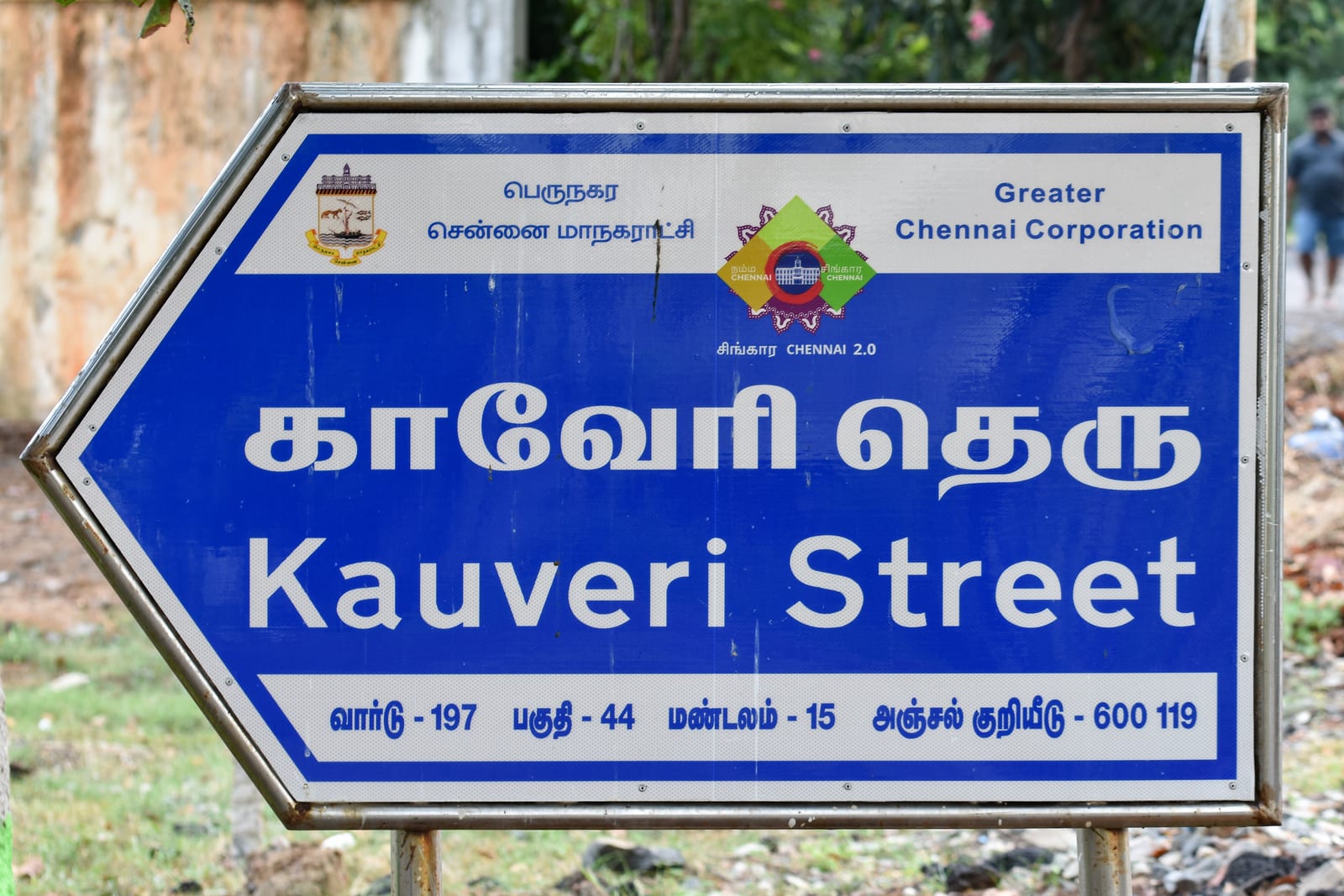
Where a caste title is only a suffix, the suffix goes; where the whole name centres on a caste, the place is renamed, DT Next reported, citing the guidelines. The rule covers every caste title, not only the names that mark Dalit settlements. Streets under review in the Kodambakkam zone of Chennai, the state capital, include Brahmin Street, Reddy Street and Vanniyar Street, and Srinivasa Iyer Street in West Mambalam has already been shortened to Srinivasa (I) Street, the outlet reported.
12,480 rural local bodies in Tamil Nadu passed resolutions on a single day, 11 October 2025, to remove derogatory caste names from residential areas, streets, public spaces and waterbodies — Deccan Herald
What did the High Court decide?
i
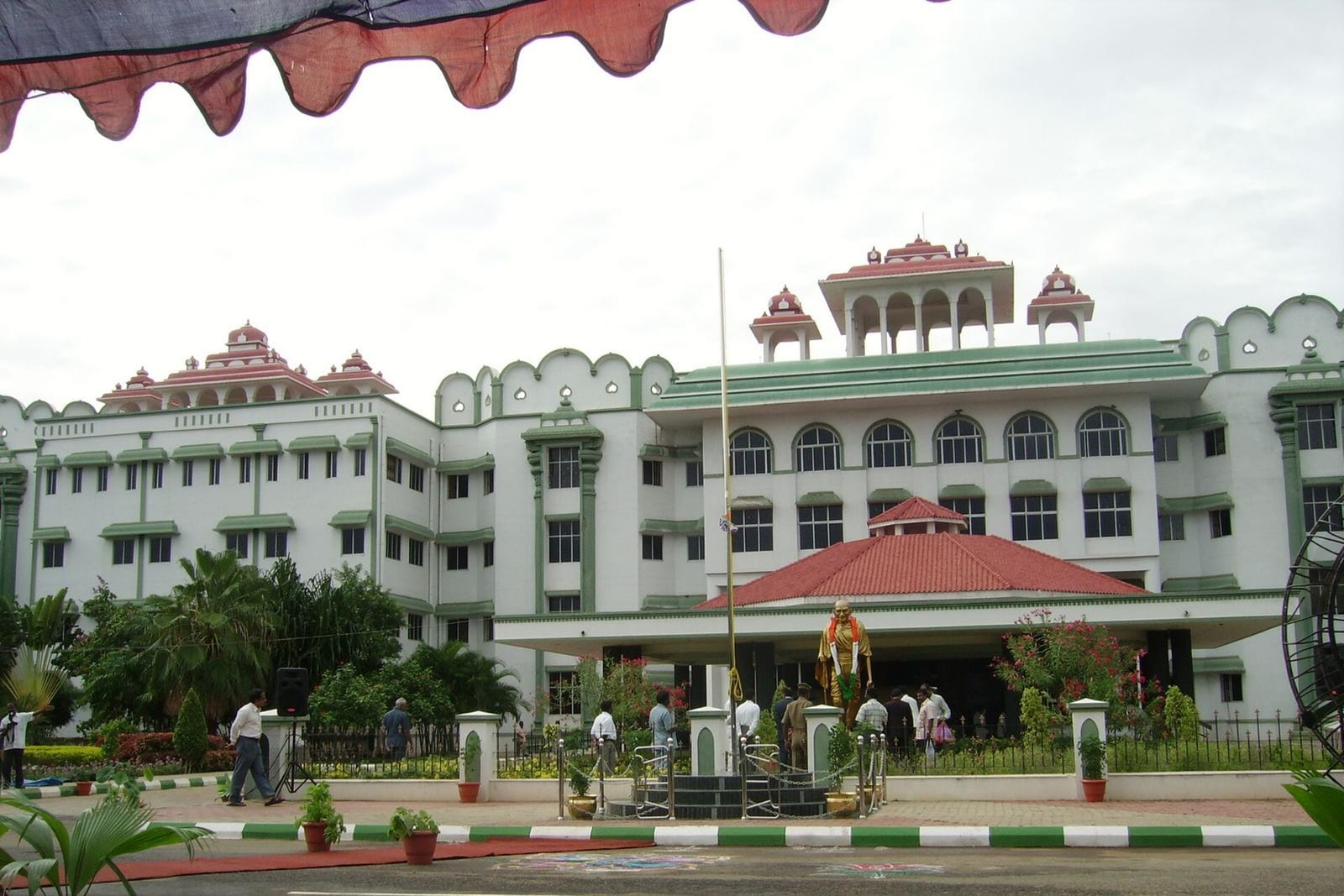
CC BY-SA 3.0Original on Wikimedia CommonsIn October 2025, a bench of Justices Anita Sumanth and C. Kumarappan stayed the renaming on a petition by Paramasivam, of Madurai, a city in the south of the state, whom DT Next later identified as state vice-president of the Hindu Advocates Front. He argued it was politically motivated ahead of the 2026 Assembly elections and would cause confusion over identity documents, DT Next reported.
On 23 September 2026, Justices C.V. Karthikeyan and R. Sakthivel dismissed his petition, lifted the stay and upheld the GO, DT Next reported. “Some of the names currently in use are so derogatory that they cannot even be uttered in this court,” the bench said. “A change must occur in the mindset of the people. Bringing about the change through a GO is the only appropriate way.” The government told the court that local bodies had already resolved to rename 69 residential areas, 40 roads, 109 streets, 57 waterbodies and 23 other public assets; an “Arundhathiyar Street” in Namakkal, in the west of the state, is now Kamarajar Nagar. The bench also told the government to issue a fresh order for localities the GO had missed.
Hasn’t Tamil Nadu done this before?
Yes, more than once. At a 1929 conference of the anti-caste Self-Respect Movement in Chengalpattu, south of Chennai, E.V. Ramasamy, the anti-caste reformer known as Periyar, publicly gave up his caste title, DT Next reported. In 1978, at Periyar’s centenary, Chief Minister M.G. Ramachandran said his government would remove caste references from roads and streets, and an order followed, The News Minute reported.
The old names outlasted those orders. In August 2026, hearing a bail plea in which a street named in the police complaint carried a caste name, Justice N. Ramesh of the High Court noted the 1978 order and said it was painful to see caste names on streets in 2026, ETV Bharat reported. He sent the issue to a bench headed by the Chief Justice to take up on its own motion.
Who picks the new names?
The order proposes names honouring social reformers, political leaders, cultural icons and Tamil poets, Madhyamam reported. The list drew criticism because leaders from Dalit and other oppressed communities were absent, Deccan Herald reported. K. Veni, state secretary of the Tamil Nadu Untouchability Eradication Front, said the list “failed to include leaders like Dr BR Ambedkar [the Dalit jurist and anti-caste leader] and M Singaravelar, who fought tirelessly for social justice”, DT Next reported, and asked the new administration to add them.
Key terms
- Cheri: in Tamil Nadu villages, the Dalit settlement, set apart from the ur, where non-Dalits live.
- Colony: in rural Tamil Nadu, a common name for a Dalit settlement, often one built under a government scheme.
- Adi Dravidar: a Tamil name for Dalit communities.
- District Collector: the senior civil servant in charge of a district’s administration.
What’s next
The Collectors are to report within a month of removing and renaming the places, The Hindu reported. The GO was issued under Stalin’s government. By August 2026 the state was led by Chief Minister Joseph Vijay, whose Social Justice Department has asked local bodies to act; by August the Greater Chennai Corporation had found around 77 street names with caste references in three of its zones, DT Next reported.
Three questions remain open: whether Collectors meet the deadline, whether the fresh order the court asked for arrives, and whether Dalit leaders are added to the list. “It will ensure that future generations are not humiliated through their own documents,” Imayam said in May.