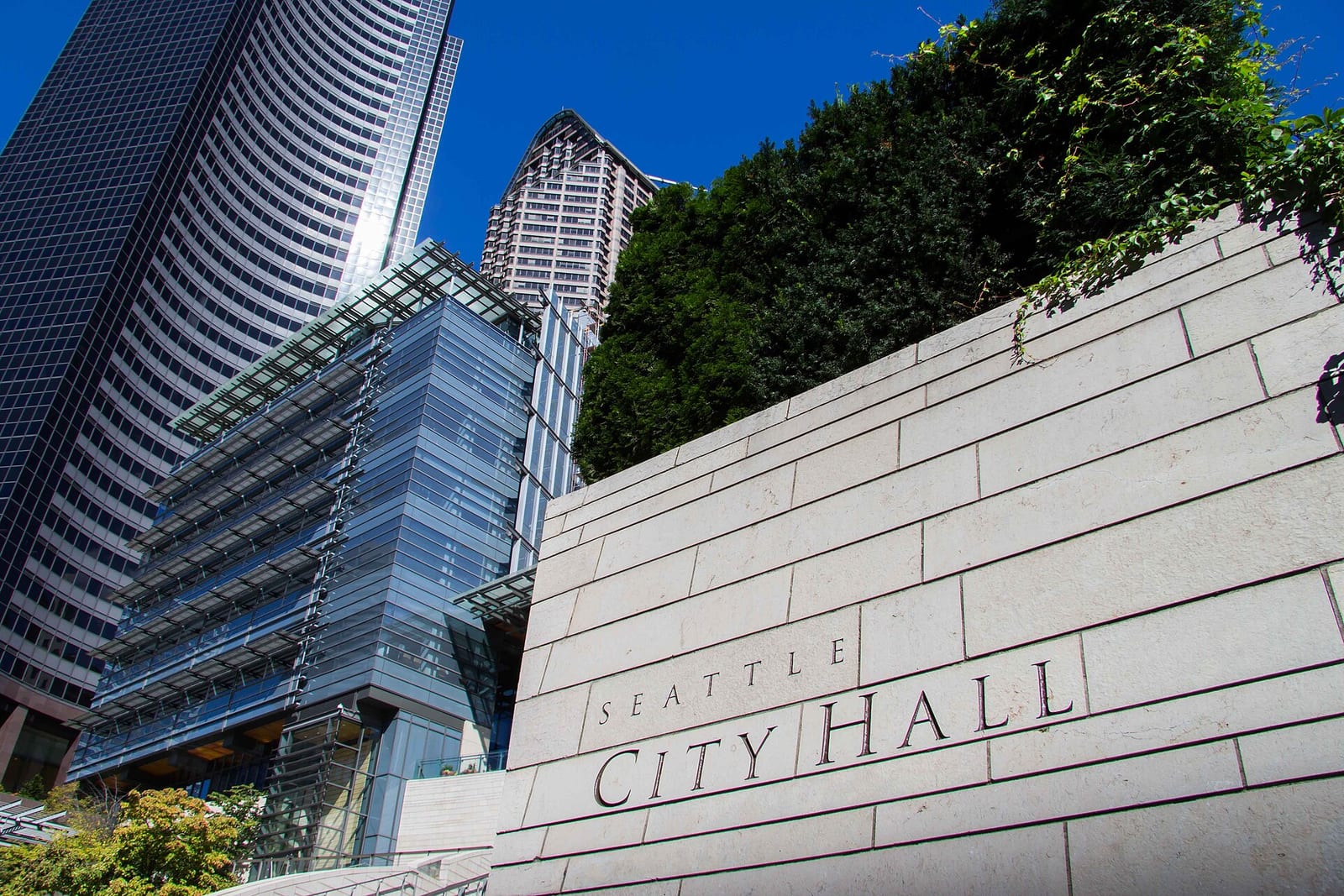
On 21 February 2023, Seattle’s city council voted 6-1 to add caste to the city’s anti-discrimination laws, making it the first US city to ban caste discrimination explicitly. More than three years later, the legal protection that Dalits, the communities once branded “untouchable” under South Asia’s caste order, have won in the United States is a patchwork: two cities, a run of universities, a few employers, and no state.
What happened
Seattle’s ordinance covers employment, housing, public accommodations and other arenas. Ambedkarite groups, named for the Dalit jurist B.R. Ambedkar, helped draft and campaign for it, The Quint reported.
In late September 2023, Fresno, California, voted unanimously to add caste and indigeneity to its municipal code. The push included the Shri Guru Ravidass Sabha, a local Sikh temple, and Indigenous residents with roots in Oaxaca, Mexico.
Then the state route stalled. California’s legislature passed SB 403 in late August and early September 2023. It would have defined “ancestry” in state civil rights law to include caste. On 7 October 2023, Governor Gavin Newsom returned it unsigned, writing: “Because discrimination based on caste is already prohibited under these existing categories, this bill is unnecessary.”
New York is the latest attempt. Assemblymember Steven Raga and state Senator James Sanders introduced matching bills in March 2025 to bar caste discrimination in employment, housing and public accommodations. Both were referred to committee again on 7 January 2026, according to the Assembly and Senate records, and in May 2026 Prism reported that no hearing had been scheduled. Opponents writing in City Journal in June 2026 conceded the point: “state-level policies have yet to succeed.”
Why it matters
Caste in the US diaspora is a hierarchy inside a minority. In the Carnegie Endowment’s 2024 Indian American Attitudes Survey, 46 percent of respondents identified as General or Upper caste, the castes outside India’s affirmative-action categories, and 2 percent as Scheduled Caste, India’s official category for Dalits. The same survey found broad support for change.
77% of Indian Americans surveyed supported new laws or regulations against caste discrimination; 11 percent opposed them. Carnegie Endowment, 2024 Indian American Attitudes Survey (1,206 respondents, fielded September–October 2024 with YouGov), published July 2025.
Without a named category, a Dalit worker has to argue that caste bias is really discrimination by ancestry, religion or national origin. Opponents, including the Hindu American Foundation (HAF) and the Coalition of Hindus of North America (CoHNA), say existing law already does that work and that naming caste singles out Hindus and Indian Americans. Supporters answer that an unnamed protection is hard to use. “Most civil rights laws do not name caste directly,” Raga told Prism. “That lack of clarity creates a real gap in enforcement.”
Who bans caste discrimination explicitly?
Cities: Seattle (February 2023) and Fresno (September 2023).
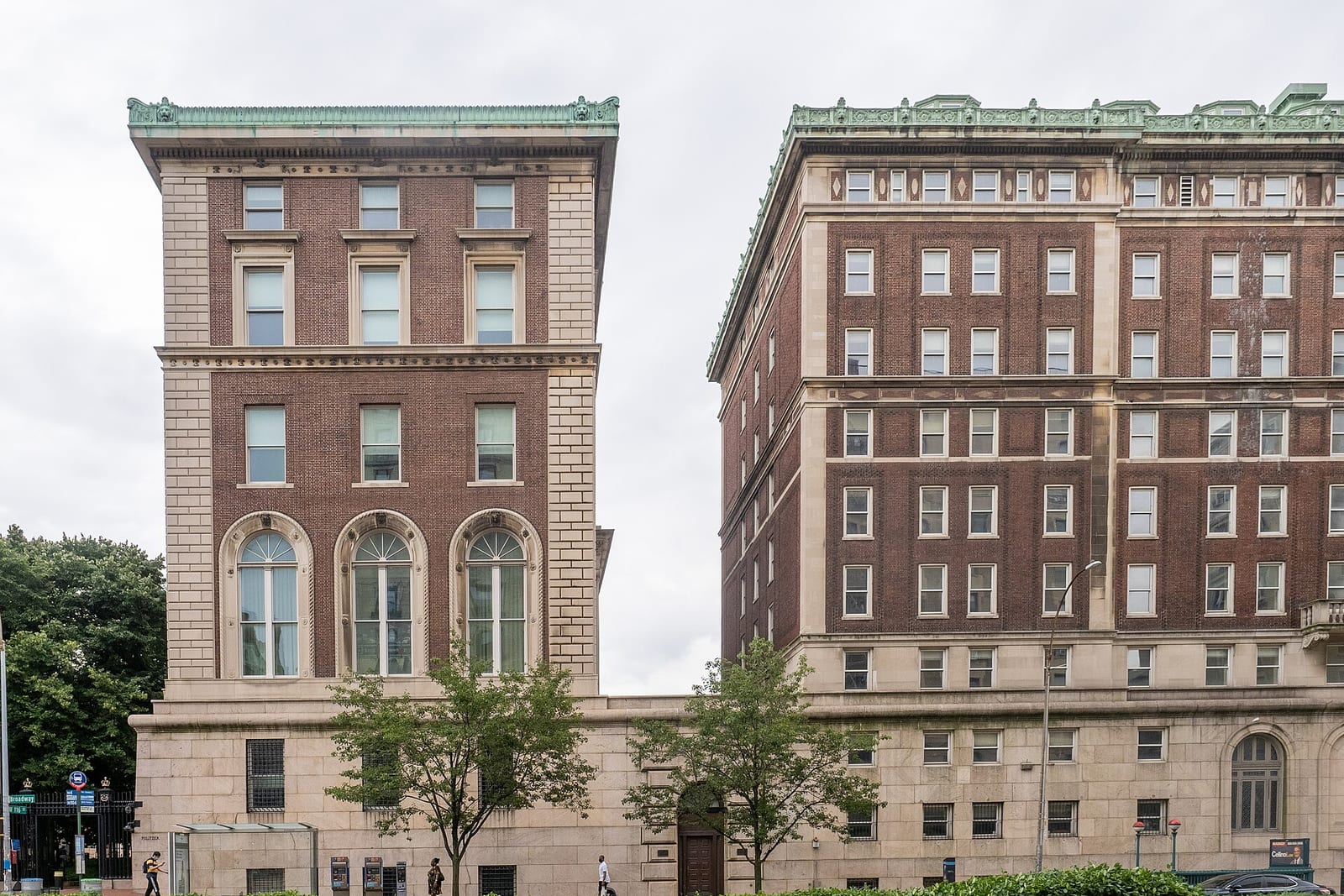
Universities: Brandeis University near Boston was the first US college to add caste to its nondiscrimination policy, in December 2019. The California State University (CSU) system added it on 1 January 2022, inside the category “Race or Ethnicity (including color, caste, or ancestry),” and made the policy final in January 2023, according to the Ninth Circuit. Colby College in Maine and the University of California, Davis followed, as did Brown University, the first school in the Ivy League of elite private universities in the US north-east to name caste in its general policy; its current policy still does. Harvard extended protection to student workers through a union contract in 2021 and added caste to its university-wide policy in 2023. At Columbia, where Ambedkar studied, Teachers College added caste in 2023, The Mooknayak reported.
Employers: A Reuters review in August 2022 found Apple had added caste to its main workplace conduct policy after September 2020, and IBM to its global rules. Amazon, Dell, Meta, Microsoft and Google did not name caste in their main global policies; most told Reuters that existing bans on discrimination by ancestry and national origin covered it.
Why did California’s ban fail?
i
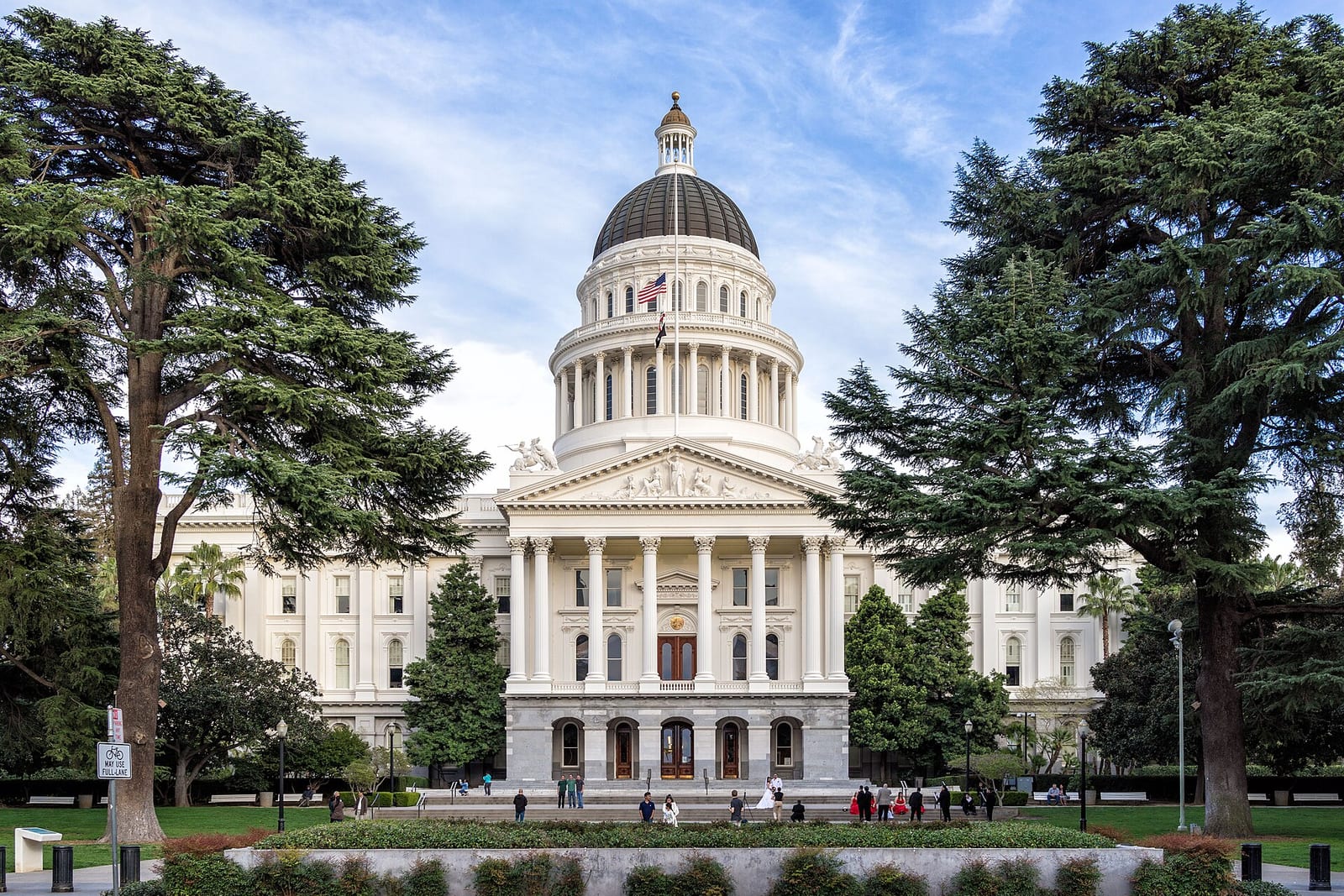
CC BY-SA 3.0Original on Wikimedia CommonsNewsom’s veto message said California law already bans discrimination on grounds including ancestry and national origin, and that its civil rights protections “shall be liberally construed.” HAF welcomed the veto. “With the stroke of his pen, Governor Newsom has averted a civil rights and constitutional disaster,” its managing director, Samir Kalra, said, NBC News reported.
Dalit organisers read the same message as a concession. “A testament to our organizing is in Newsom’s veto where he acknowledges that caste is currently covered,” Thenmozhi Soundararajan, executive director of Equality Labs, a Dalit civil rights group, said in a statement. The Ambedkar King Study Circle, another Ambedkarite group, said it would “resolutely continue on this hard, long road to uphold human dignity in the face of casteist oppression that continues to this day in the United States.”
What have the courts said?
Every court challenge has failed so far, mostly on standing or procedural grounds. Two failed on standing, the rule that a plaintiff must show a real, personal injury before a court will hear the case; the third was dismissed on what its plaintiff calls procedural grounds.
- Seattle: a Hindu man living in North Carolina sued. The Ninth Circuit, the federal appeals court for the western states, upheld the dismissal on 21 January 2025, noting that he had not lived in Seattle since 1997. The US Supreme Court declined to hear his appeal on 6 October 2025.
- CSU: two professors argued the policy stigmatised Hinduism. On 12 March 2025 the Ninth Circuit affirmed the dismissal, adopting the trial court’s finding that “‘Caste’ is an expansive term referring to social hierarchies that exist across the world in many religions and societies, including in the United States.”
- California’s civil rights agency: HAF sued the state’s Civil Rights Department (CRD) over its Cisco case. A federal judge, Dale Drozd, dismissed the suit on 18 July 2025, The Wire reported. HAF has appealed, and filed its reply brief at the Ninth Circuit on 6 April 2026, arguing the lower court “erred by dismissing it on procedural grounds.”
Where does the Cisco case stand?
In June 2020, California’s civil rights agency sued Cisco Systems and two managers, alleging that a Dalit engineer at its San Jose headquarters was expected to accept “the lowest status within a team of higher-caste colleagues” and received less pay and fewer opportunities. It refiled in Santa Clara County Superior Court on 16 October 2020, and in August 2022 an appeals court ruled the agency could not be forced into private arbitration.
In April 2023 the agency dropped its claims against the two managers but kept suing Cisco. Cisco denies wrongdoing. Its internal investigation, it wrote in November 2020, “found no evidence” of caste discrimination or retaliation. The court docket still lists the case as open. Its latest filing, from October 2025, is a judge-signed stipulation on the time to bring it to trial; no verdict or settlement is recorded.
When the managers were dropped, Soundararajan said the case “has given so many Dalits the courage to come forward with their stories about caste discrimination in education, the medical and tech industries.” She added: “This is not a loss, but progress.”
What do Dalit organisers say a law changes?
“Legal protection is the only means to guard the vulnerable from caste exploitation in places where dominant castes have privilege and preponderance.” — Karthik, Ambedkar King Study Circle, January 2023
Maya Kamble, president of the Ambedkar Association of North America, put Seattle’s vote more plainly to CNN: “At least we have a way to fight back.”
In New York, Swati Sawant, a Dalit lawyer who helped draft the bill, told Prism of a Nepali restaurant worker whose co-workers called him impure in 2018, and who was fired after he complained. Because the state does not recognise caste discrimination, she said, she was unable to pursue his case.
Key terms
- Caste: in Seattle’s code, as the Ninth Circuit quotes it, a “system of rigid social stratification characterized by hereditary status, endogamy [marriage only within the group], and social barriers sanctioned by custom, law, or religion.”
- Dalit: the self-chosen name of communities placed at the bottom of the caste order and once called “untouchable.”
- Protected class: a trait, such as race or religion, on which US anti-discrimination law bars unequal treatment.
- Standing: a plaintiff’s legal right to sue, which needs a real, personal injury.
What’s next
Three things to watch: whether New York’s bills come out of committee when the legislature next sits; how the Ninth Circuit rules on HAF’s appeal; and whether California’s case against Cisco reaches a trial date. Until one of them moves, a Dalit worker’s protection depends on which city, campus or company they are in.

.jpg)