In March 2026 a special court in Veraval, a city in the western state of Gujarat, ruled on a case that had set off protests across India. Almost ten years earlier, four young Dalit men, from the communities once branded “untouchable”, had been flogged and paraded through the town of Una. The court convicted five men and acquitted 35, DeshGujarat reported. Twenty years ago in Khairlanji, a village in the western state of Maharashtra, the courts convicted eight men of murdering a Dalit family, and none of them found an atrocity, as an earlier Dalit Project analysis of those judgments sets out. The law between those two verdicts promises speed, protection and a special court. What it delivers depends on how each court reads caste.
What happened
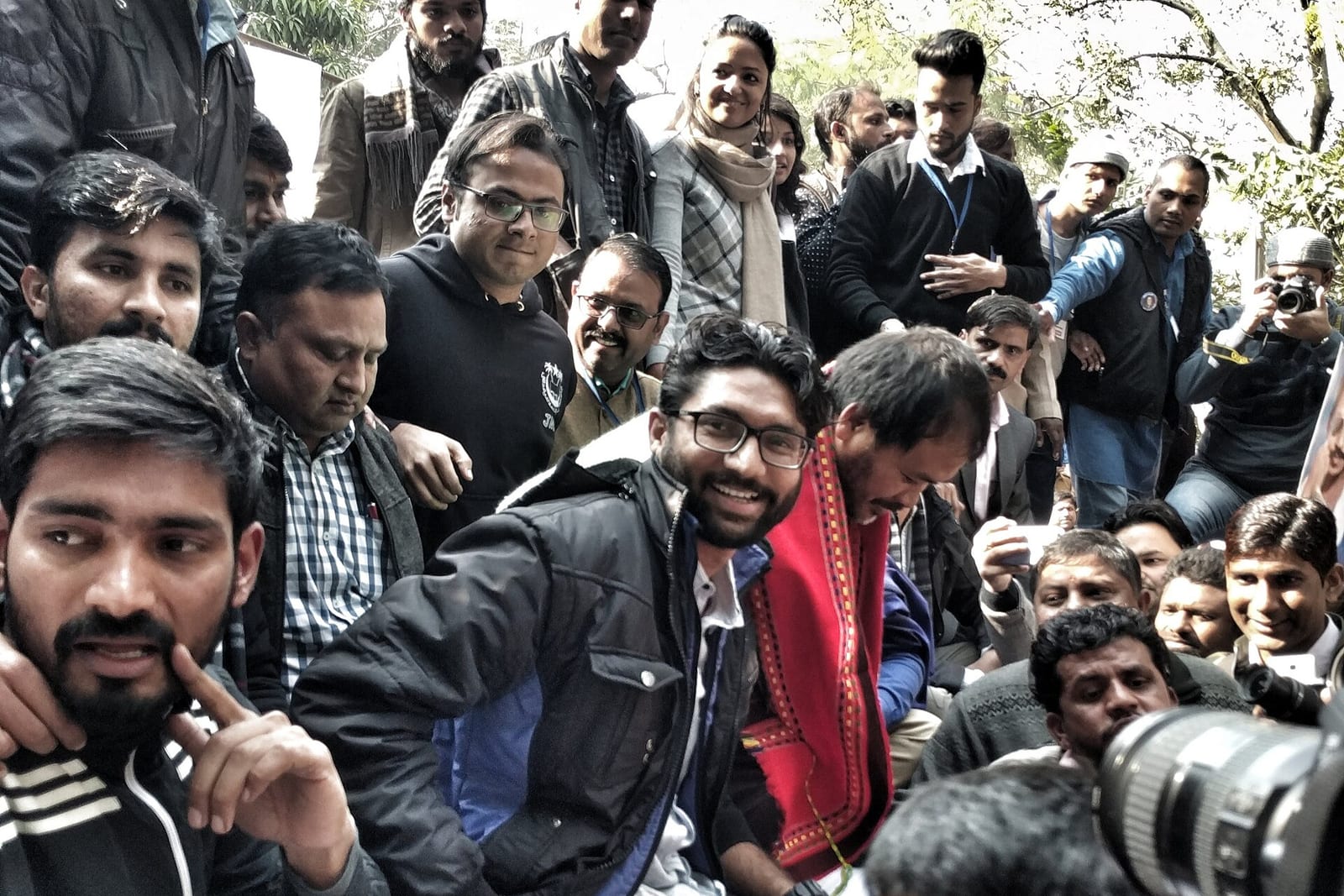
On 11 July 2016, near Mota Samadhiyala village in Una taluka (sub-district) of Gir Somnath district, men describing themselves as cow protectors attacked members of the Sarvaiya family, Dalits who were skinning a dead cow, The Wire reported. They accused the family of killing it, then tied the four to a vehicle, beat them with sticks and iron pipes, and paraded them in Una, according to DeshGujarat. The Dalit leader Jignesh Mevani led a march to Una, where on 15 August 2016 a gathering pledged to give up disposing of dead animals, ETV Bharat reported.
The state’s Crime Investigation Department (CID) arrested 43 people, some of them police officers, and filed a charge sheet, the formal list of charges, in December 2016, on counts that included attempt to murder, kidnapping, robbery and offences under the Atrocities Act. The trial began in August 2018, ETV Bharat reported.
On 16 March 2026 the special court convicted five men and acquitted 35. The 41 tried included four police officers: the case against an inspector ended when he died, and the other three were among those acquitted, DeshGujarat reported. LiveLaw and The Hindu gave the same counts. The next day the court sentenced the five to five years in prison and a fine of Rs 5,000 (about US$56) each, for causing hurt, causing hurt with weapons, wrongful confinement and intentional insult under the Indian Penal Code, the criminal code then in force, and for offences under section 3(1) of the Atrocities Act, LiveLaw reported. The prosecution could not establish the specific roles of several accused, a defence lawyer said, according to DeshGujarat. Four of the five had already served more than six years in jail and the fifth more than four, another defence lawyer said; the court had examined 260 witnesses, and the trial of a juvenile was still pending, The Hindu reported in a story republished by Justice News.
In Khairlanji, after a crowd killed four members of the Bhotmange family, Dalits, in 2006, India’s Central Bureau of Investigation (CBI), the federal investigating agency, charged 11 men with murder, rioting and “offences under the Act”. The special court at Bhandara, in Maharashtra, convicted eight but found none guilty under the Atrocities Act, the Supreme Court’s 2019 order records.
Why it matters
The Scheduled Castes and Scheduled Tribes (Prevention of Atrocities) Act, 1989, India’s law against caste violence against Dalits and Adivasis (India’s Indigenous peoples), treats that violence as its own crime, with its own courts. A conviction under the penal code alone records an assault or a murder. A conviction under the Atrocities Act records the crime as one against a Dalit or Adivasi. For the Sarvaiya family, the caste in the crime was never in doubt. “We were proud of being Hindus, but Hindus tortured us. This incident made us realise why we continue to practice such a religion where we are subjected to assaults and humiliation because of our source of livelihood,” Vashram Sarvaiya told The Mooknayak in 2024.
In Khairlanji the courts accepted the murders and did not find an atrocity. In Una the court convicted under the Act, but the reported convictions do not include the attempt-to-murder count in the charge sheet. The Act’s section 3(1) offences, which include intentionally insulting or intimidating a Dalit in public view, carry between six months and five years.
About 9 years and 3 months from the charge sheet (December 2016) to the verdict (March 2026) in the Una case, against the Atrocities Act’s aim of finishing a trial, as far as possible, within two months of the charge sheet. Sources: ETV Bharat, DeshGujarat, Atrocities Act, section 14
Who investigates an atrocity case?
A case starts with a First Information Report (FIR), the police complaint that opens a criminal case. The Act says that no preliminary enquiry is needed before an FIR is registered, and that the police need no approval before an arrest (section 18A).
Under the Act’s rules, the investigating officer must be at least a Deputy Superintendent of Police, and the charge sheet must be filed in the special court within 60 days of the FIR. Any delay must be explained in writing (rule 7, as amended in 2016). In Una the charge sheet came about five months after the attack.
Which court hears it, and how fast?
Each state must set up an Exclusive Special Court for one or more districts, or name a sessions court as a special court where cases are few. Hearings must run from day to day, and a trial should, “as far as possible, be completed within a period of two months from the date of filing of the charge sheet” (section 14).
What rights does a victim have during the trial?
i
CC BY-SA 4.0Original on Wikimedia CommonsA chapter of the Act gives victims and witnesses rights of their own (section 15A). The state must protect them from intimidation, tell them of every hearing, including bail hearings, and let them be heard on bail, conviction and sentence.
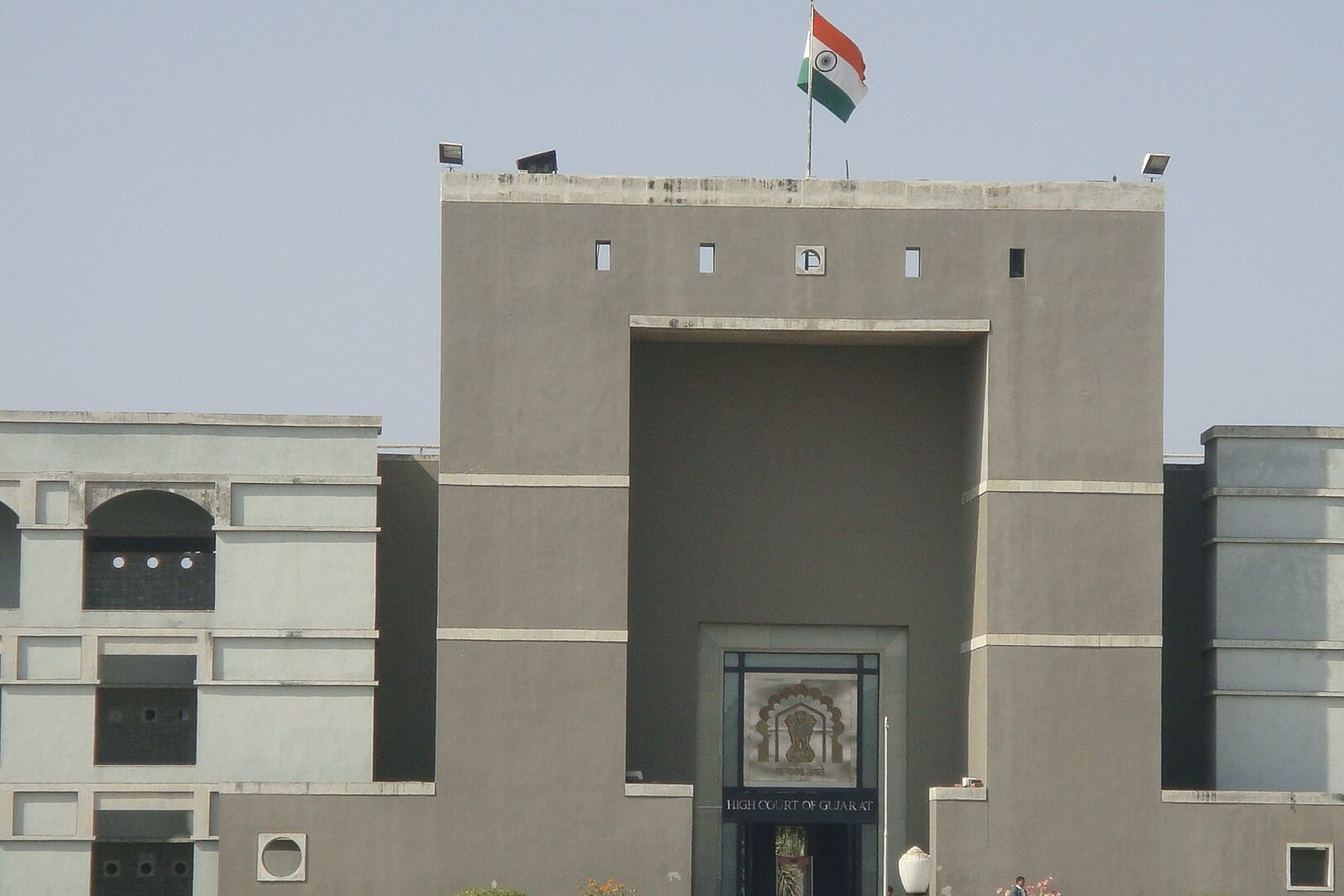
In Una, in July 2022 a lawyer for Vashram Sarvaiya, one of the victims, opposed bail for four of the accused in the Gujarat High Court, the state’s highest court. “The trial is still not over, the victims are yet to enter the witness box,” she argued, The Wire reported. The four were later granted bail on condition that they stay out of Gir Somnath district until the victims had testified, The Mooknayak reported.
How does a court decide that caste was part of the crime?
The answer changed in 2016. Before then, the Act’s heavier penalty in section 3(2)(v) applied only to a crime committed “on the ground that” the victim was Dalit or Adivasi, and courts read that to mean caste had to be the only reason, the Supreme Court acknowledged in 2021. A 2015 amendment, in force from 26 January 2016, changed the test to “knowing that” the victim is Dalit or Adivasi. The same amendment added a presumption: if the accused knew the victim or the family personally, the court presumes they knew the victim’s caste unless the contrary is proved (section 8).
Khairlanji, a 2006 crime, was judged under the old words. The Bombay High Court, Maharashtra’s highest court, found that the killings “did not take place on account of caste stature”, the Supreme Court’s order records.
Una came after the change. At its 2022 bail hearing, a defence lawyer argued that the attackers had not known the victims “were not the minority people”, and that “nobody wanted to assault these persons knowing that these persons are not of that community”, The Wire reported. Justice Nikhil Kariel replied: “That is not a good thing to say, trying to differentiate between two communities… not a welcome argument.” The trial court’s full reasoning is not in the reports cited here.
What happens after the verdict?
Either side can appeal to the High Court, on facts and on law, within 90 days of the judgment. A late appeal can be accepted for good cause up to 180 days, and the High Court should decide it, as far as possible, within three months of admitting it (section 14A).
In Una, Vashram Sarvaiya, the complainant, said the family would challenge the verdict in the High Court and, if necessary, in the Supreme Court, DeshGujarat reported. In Khairlanji, the appeals sat in the Supreme Court for almost nine years. The surviving father’s own appeal was disposed of as having abated after he died, as an earlier Dalit Project analysis records.
Outside the courtroom, the family says the state’s promises were never kept. Sarvaiya told The Mooknayak in 2024:
“Following the incident, (the then Gujarat Chief Minister) Anandiben Patel visited us and promised that we would be given government jobs along with housing plots, five-acre agricultural land and Below Poverty Line cards. In addition he had assured us that we would get justice and the perpetrators would be severely punished.”
— Vashram Sarvaiya, to The Mooknayak, February 2024
“Seven years have gone by, but nothing has happened to those promises,” he said. In 2018 the state government told the Gujarat assembly it had “no record of the promises”, The Mooknayak reported.
Key terms
- Atrocities Act: the Scheduled Castes and Scheduled Tribes (Prevention of Atrocities) Act, 1989, India’s law against caste violence.
- FIR: First Information Report, the police complaint that opens a criminal case.
- Special Court / Exclusive Special Court: courts set up or named under the Act to try atrocity cases.
What’s next
In Una, counted from the 17 March sentence, the 90-day window for an appeal ran to mid-June 2026; the outer limit of 180 days, to mid-September. Whether an appeal has been filed has not been reported in the coverage cited here. The juvenile’s trial was pending in March. In Khairlanji, the criminal case is closed, but the Supreme Court’s 2021 doubts about the old “only on the ground of caste” reading are still unsettled, as that analysis explains. Both questions, speed and how a court reads caste, will return with the next atrocity verdict.