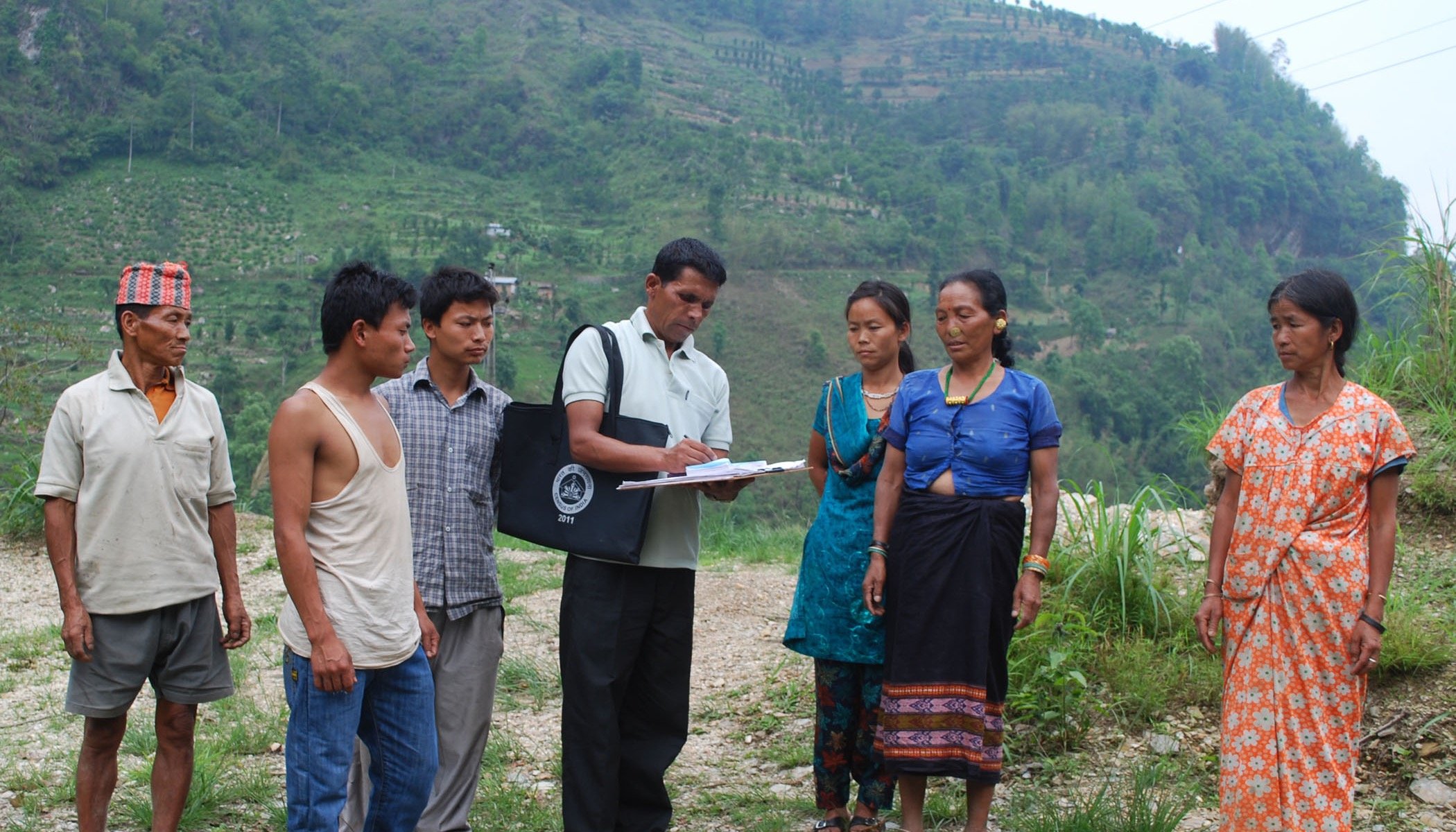
On 17 August, the population count of Census 2027 began in Ladakh, the high Himalayan territory, and in the snow-bound areas of Jammu and Kashmir, Himachal Pradesh and Uttarakhand, with households filling in forms online before enumerators went door to door through September. The count there is anchored to midnight on 1 October 2026. Theirs were the first households to meet the census caste question, question 10, in a live count. Anyone outside the Scheduled Castes and Scheduled Tribes, the constitutional lists of Dalit communities (among those once branded “untouchable”) and Adivasi (Indigenous) communities, now names a caste in their own words. The rest of India answers in February 2027, counted to midnight on 1 March 2027. The full calendar is in India’s caste census moves from plan to field.
For Dalit political power, that open caste column is the part of the census that matters least. The number that sets how many seats Dalits hold in Parliament is the Scheduled Caste count, which India has taken at every census since independence. What the new caste data can change is narrower and more bitterly fought: how the Scheduled Caste quota is divided among Dalit communities, whether the courts’ 50% cap on reservations (caste quotas in public jobs and education) holds, and what other castes can claim. Whether it changes any of that turns on a decision the state has not yet announced, which is what it will publish. The last time India collected every caste, in 2011, it never released the caste data.
What India already counts
Independent India’s censuses have always counted Dalits caste by caste. Every caste listed under the Constitution (Scheduled Castes) Order, 1950 is enumerated in the census, a federal minister told Parliament in 2021, adding: “Government of India has not enumerated caste-wise population, other than SCs and STs, in Census since Independence.”
What is new in 2027 is everyone else. The count also collects “demographic, socio-economic, education, migration, fertility” details from each person, so a dominant caste’s schooling could be set beside a Dalit community’s, if the census office tabulates it that way.
Seats: the freeze, not the column
Article 82 requires seats and constituencies to be redrawn after each census, but adds that until the figures for “the first census taken after the year 2026” are published, there is no need to change each state’s share of seats in the Lok Sabha, Parliament’s lower house, which rests on the 1971 census, or its constituency map, which rests on the 2001 census. Article 330 then gives Scheduled Castes reserved seats in each state in the “same proportion” as their share of its population, with “population” read as the 2001 census until those post-2026 figures appear.
The last redraw shows the arithmetic. When the Delimitation Commission, the body that redraws constituencies, applied 2001 figures in 2008, Scheduled Caste seats rose from 79 to 84. Within frozen state totals, Uttar Pradesh’s fell from 18 to 17 and Bihar’s from 7 to 6, while West Bengal’s rose from 8 to 10 and Punjab’s from 3 to 4, by the federal government’s own table. Every move came from Scheduled Caste counts.
84 of 543. Lok Sabha seats reserved for Scheduled Castes since the 2008 delimitation, up from 79, on 2001 census figures. Source: federal government table, 2009
The federal government sought to redraw the map without waiting for Census 2027. Its Constitution (131st Amendment) Bill would have expanded the Lok Sabha from 543 to 850 seats and allocated them on the 2011 census, and a companion Delimitation Bill had the new commission determine the reservations for Scheduled Castes and Scheduled Tribes. On 17 April 2026 the Bill won 298 votes to 230, short of the 352 it needed for a constitutional amendment. Delimitation now proceeds on the 2027 census, which means fresh Scheduled Caste counts will set the next tally of Dalit seats once Parliament passes a new delimitation law.
The caste column reaches seats by one route only, through castes that have no reserved seats at all. When Parliament reserved a third of legislative seats for women in 2023, the federal government refused a sub-quota for women from the Other Backward Classes (OBCs), India’s intermediate castes, arguing, as The Federal reported, that without caste enumeration since 1931 there was no reliable data to support OBC reservation in legislatures. Census 2027, if its caste tables are published, removes that reason.
Sub-classification: dividing the Dalit quota
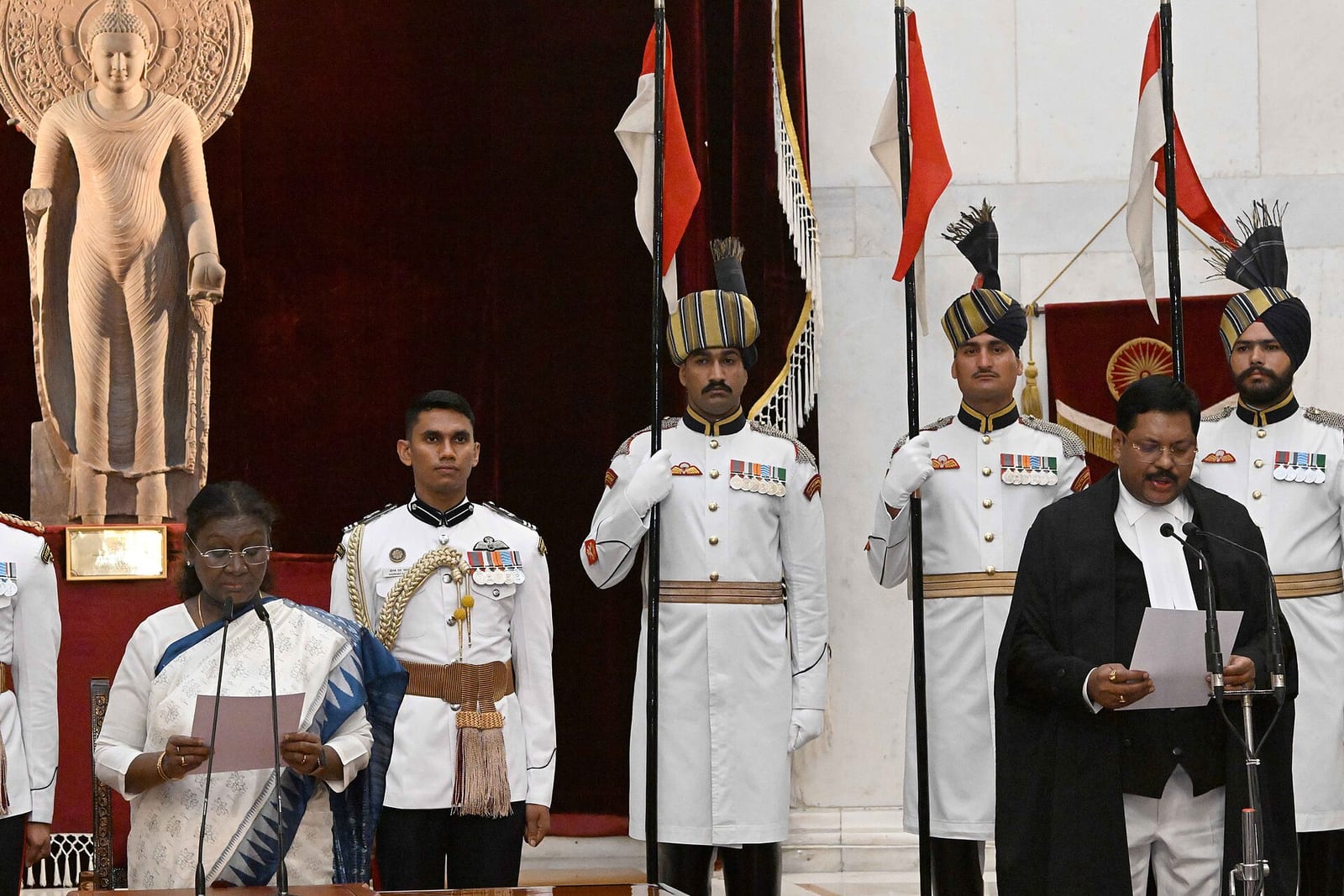
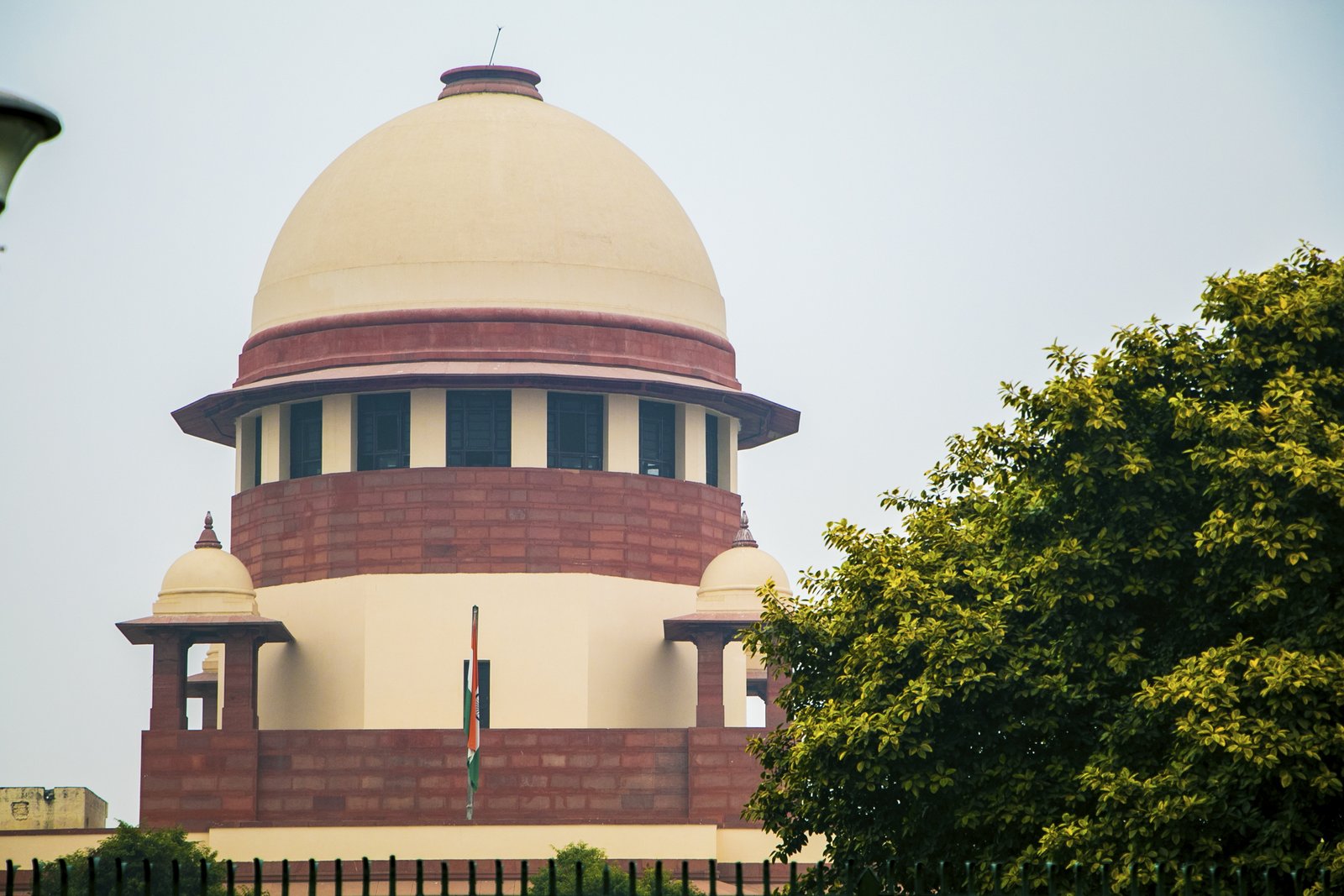
On 1 August 2024 a seven-judge bench of the Supreme Court ruled 6 to 1 that states may sub-classify Scheduled Castes, setting aside quota shares for the Dalit communities furthest behind. The ruling set a test: a state must act on “quantifiable and demonstrable data bearing on levels of backwardness and representation in the services of the State”, and “cannot … merely act on its whims or as a matter of political expediency.”
Telangana, in southern India, moved first. On 14 April 2025 it brought into force a law splitting its 15% Scheduled Caste quota among 59 Dalit castes in three groups, with 1%, 9% and 5% each. The ranking of the groups followed backwardness, but the size of each share was set by population, as per the 2011 Census. The minister in charge said the 15% itself rests on the 2011 count, put the Scheduled Caste share now at about 17.5%, and said the government would consider raising it once new census data arrived.
That is where Census 2027 bites hardest for Dalits: it refreshes the caste-by-caste Scheduled Caste counts that quota formulas now divide. Manda Krishna Madiga, whose Madiga Reservation Porata Samithi campaigned for three decades on behalf of the Madigas, the largest Dalit community in the Telugu-speaking states, welcomed the law and contested its arithmetic: “Madigas should get 10.5 to 11% reservation, but we have been given only 9%.” He also asked the government to weigh backwardness, not only population share.
Justice B.R. Gavai, who later became the second Dalit Chief Justice of India, wrote that the state “must evolve a policy for identifying the creamy layer even from the Scheduled Castes”, meaning their better-off families, and exclude it. Eight days later the federal cabinet answered that “the Constitution does not provide for creamy layer for SCs and STs”, and Telangana’s cabinet committee rejected its commission’s creamy-layer proposal. At his farewell in November 2025, Gavai said he had been severely criticised by his own community for the view, and restated it: “can the son of a Chief Secretary [a state’s top civil servant] studying in Delhi be made to compete with the son of an agriculturist”.
The scholar Anand Teltumbde, born into a family of Dalit farm labourers, puts the limit plainly: “The sub-classification merely redistributes scarcity without expanding the domain of justice.”
The 50% ceiling
The Supreme Court’s 1992 Indra Sawhney ruling capped reservations at 50%, and new data will not lift that cap by itself. Bihar, in eastern India, tested it. After a 2023 state caste survey found, The Wire reported, that 65% of Bihar’s population belonged to the four groups with quotas, the state raised their reservation from 50% to 65%. On 20 June 2024 the Patna High Court struck the increase down for three reasons: the 50% ceiling; because the reservation “was based on mere proportion to the population”; and because the state “did not conduct any analysis or in-depth study”. The Supreme Court admitted Bihar’s appeal in July 2024 but refused to pause the ruling.
Telangana’s attempt to give its Backward Classes, the state’s term for OBCs, 42% of local council seats, which petitioners said took total reservation to 67%, was stayed by the state High Court on 9 October 2025, and the Supreme Court declined to interfere. Yet the Supreme Court held that the 10% quota for “economically weaker sections”, which leaves out people already covered by caste quotas, did not breach the 50% limit.
The courts have said a headcount alone does not justify a quota. A national count, if its tables are published, can strengthen the evidence of who is missing from classrooms and offices; the ceiling is a legal question it cannot settle.
Who gets to read the count
All of this assumes the caste figures are published. In 2011 they were not. The Socio Economic and Caste Census returned more than 4.6 million different caste names, the government said, and in a 2021 affidavit to the Supreme Court the federal government called the data unusable: in the western state of Maharashtra alone it found 428,677 castes against 494 entries on the state’s official lists. “It would have been ideal,” the affidavit said, if there had been “a drop down menu for selection of the castes.” The court then refused Maharashtra’s plea for the data, because the government’s affidavit “emphatically states that the data which is collated is not accurate and not usable”. Census 2027 has chosen the open column anyway for everyone outside the Scheduled Castes and Scheduled Tribes.
The law decides who sees the rest. Under Section 15 of the Census Act, individual answers stay confidential and only aggregate statistics are tabulated, the Registrar General, Mritunjay Kumar Narayan, said in March. “Many data sets will be published in 2027 itself,” he added. He did not say which. The public, the courts and the states will see the caste tables the census office chooses to make.
Sukhadeo Thorat, the economist and former chair of the University Grants Commission, India’s higher-education regulator, who grew up in the Mahar Dalit community in Maharashtra, argues the failure is fixable. “We can improve this process by learning from previous attempts like the 2011 Socio-Economic Caste Census and surveys conducted in Bihar, Telangana and Karnataka,” he told The Hindu. “Since the errors from these attempts have already been identified, we know the problems and they can be overcome.” He wants the count to reach beyond quotas, to the economic, educational and political problems of each group: “Every caste except Brahmins [the priestly caste at the top of the order] faces discrimination, so demands for reservation are natural. However, all castes are not equal in their situation.”
“A census produces data. Data by itself does not produce equality.”
— Anand Teltumbde, interviewed by Countercurrents, December 2025
The strongest objection
Teltumbde’s argument goes further than doubt about release. Interviewed for Countercurrents, he called the withholding of the 2011 caste data “a calculated political decision” and added: “Data is power.” Speaking by video to the Manorama Hortus festival in Kochi, in the southern state of Kerala, in November 2025, he predicted the rich would declare themselves casteless while the poor registered to claim benefits, giving the state the material for the claim that “caste reservation has done enough, and it can be abolished.”
He is right that a count redistributes nothing on its own. His case falls short on the Scheduled Caste count, which is already written into law: Article 330 turns it into seats, and Telangana’s law turns it into shares of jobs and college places. The risk he names sits after collection, in what gets tabulated and released, and that stage is still open to pressure.
What to watch
- The delimitation law: the size of the Lok Sabha, the census it uses, and the rules for reserved seats.
- The caste tables: whether caste-by-caste counts from the count to 1 March 2027 are published for everyone, with each Scheduled Caste’s education and work figures; the Registrar General has said many data sets will come out in 2027.
- The courts: Bihar’s appeal over its 65% law, and the Telangana High Court’s hearing on the 42% quota.
- The states: Telangana says it will consider a larger Scheduled Caste quota once the new census reports; others sub-classifying will face the same arithmetic.
Ladakh’s households have now been asked. What happens to Dalit seats is already written into the Constitution. What happens to the rest depends on whether the census office publishes what it has counted.
.jpg)