Caste violence, and what the state does next. We follow each case from the attack to the verdict, measure the gap between the law Dalits won in 1989 and the convictions it delivers, and record how families and organisations force accountability.
Reservation is a constitutional claim, not a favour. We test it against the record: posts left empty for want of a 'suitable' candidate, quotas divided without data, a census that counts caste but may not change who is protected, and promised money that never arrived.
Who owns, who works and who profits. Dalit families still wait for land the state granted a century ago, sanitation workers still die in sewers officials say nobody cleans by hand, and caste still decides who gets hired, paid and funded.
Who holds power, and who is kept out of it. We count who sits in legislatures, newsrooms, courts and boardrooms, follow the parties that court Dalit votes, and ask what Dalit representatives can change once they are inside.
Caste does not disappear in code; it is written into it. We report who builds Indian and global tech and who gets filtered out, what automated systems learn about Dalit people, and who decides which Dalit voices stay online.
Dalit culture made on its own terms: work that refuses the stories dominant castes wrote for it, critics who judge it from a stated standpoint, the archives movements kept for themselves, and the Ambedkarite and Buddhist turn that treats leaving caste as a political act.
Caste and patriarchy work together, and so do the people who fight both. We report where Brahminical patriarchy bites hardest, in the field, the home and the courtroom, and hear from Dalit women and queer, trans and disabled Dalit people on their own terms.
Caste is not only India's, and neither is the fight against it. From Nepal's courts to Seattle's council, Geneva's treaty bodies and Brussels' trade talks, we track where caste discrimination is named in law, and whether naming it changes anything.
Dalit thought as the primary theory of caste, not a footnote to it. We read its thinkers closely, from Ambedkar's 1916 paper on endogamy to Dalit scholars writing now, and test their arguments against what happens this week.
Caste violence, and what the state does next. We follow each case from the attack to the verdict, measure the gap between the law Dalits won in 1989 and the convictions it delivers, and record how families and organisations force accountability.
Reservation is a constitutional claim, not a favour. We test it against the record: posts left empty for want of a 'suitable' candidate, quotas divided without data, a census that counts caste but may not change who is protected, and promised money that never arrived.
Who owns, who works and who profits. Dalit families still wait for land the state granted a century ago, sanitation workers still die in sewers officials say nobody cleans by hand, and caste still decides who gets hired, paid and funded.
Who holds power, and who is kept out of it. We count who sits in legislatures, newsrooms, courts and boardrooms, follow the parties that court Dalit votes, and ask what Dalit representatives can change once they are inside.
Caste does not disappear in code; it is written into it. We report who builds Indian and global tech and who gets filtered out, what automated systems learn about Dalit people, and who decides which Dalit voices stay online.
Dalit culture made on its own terms: work that refuses the stories dominant castes wrote for it, critics who judge it from a stated standpoint, the archives movements kept for themselves, and the Ambedkarite and Buddhist turn that treats leaving caste as a political act.
Caste and patriarchy work together, and so do the people who fight both. We report where Brahminical patriarchy bites hardest, in the field, the home and the courtroom, and hear from Dalit women and queer, trans and disabled Dalit people on their own terms.
Caste is not only India's, and neither is the fight against it. From Nepal's courts to Seattle's council, Geneva's treaty bodies and Brussels' trade talks, we track where caste discrimination is named in law, and whether naming it changes anything.
Dalit thought as the primary theory of caste, not a footnote to it. We read its thinkers closely, from Ambedkar's 1916 paper on endogamy to Dalit scholars writing now, and test their arguments against what happens this week.
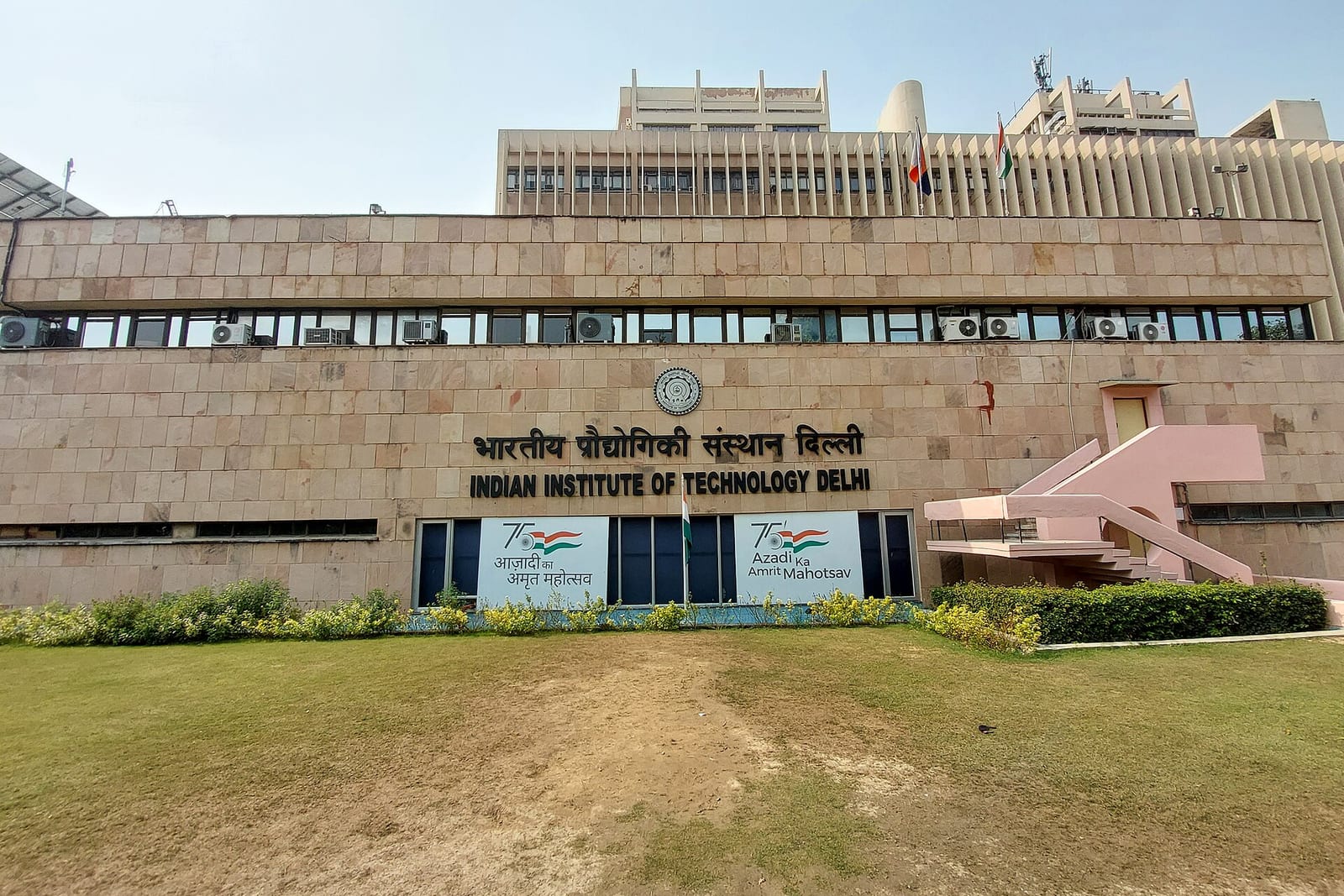
Investors say an IIT degree speeds up the trust start-up money runs on, and scholars trace that degree to caste advantage. Federal programmes for Dalit founders mostly lend.
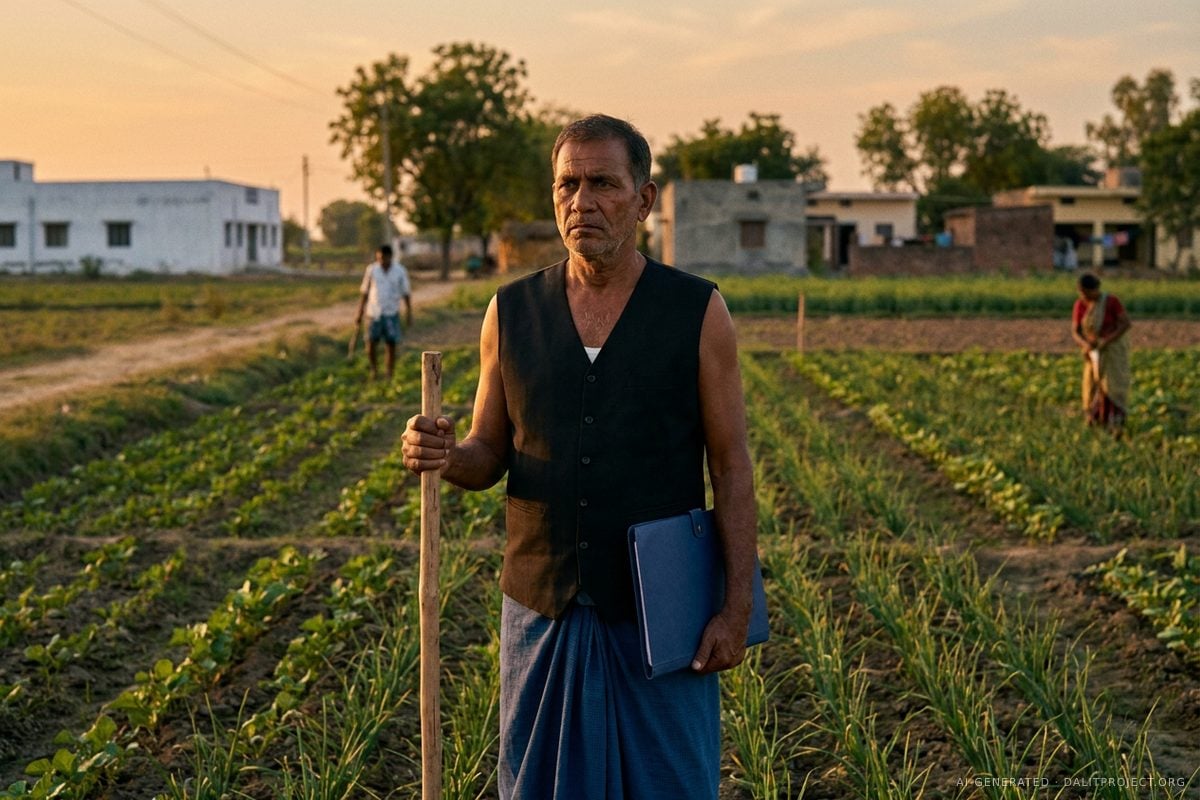
Telangana says it is testing an allegation against a former chief minister. The notices have gone to Dalit families who have farmed Erravalli's assigned land for 60 years.
Tests since 2023 find that chatbots and image generators reproduce caste hierarchy. Most are lab tests, not audits of hiring or lending tools in real use in India.
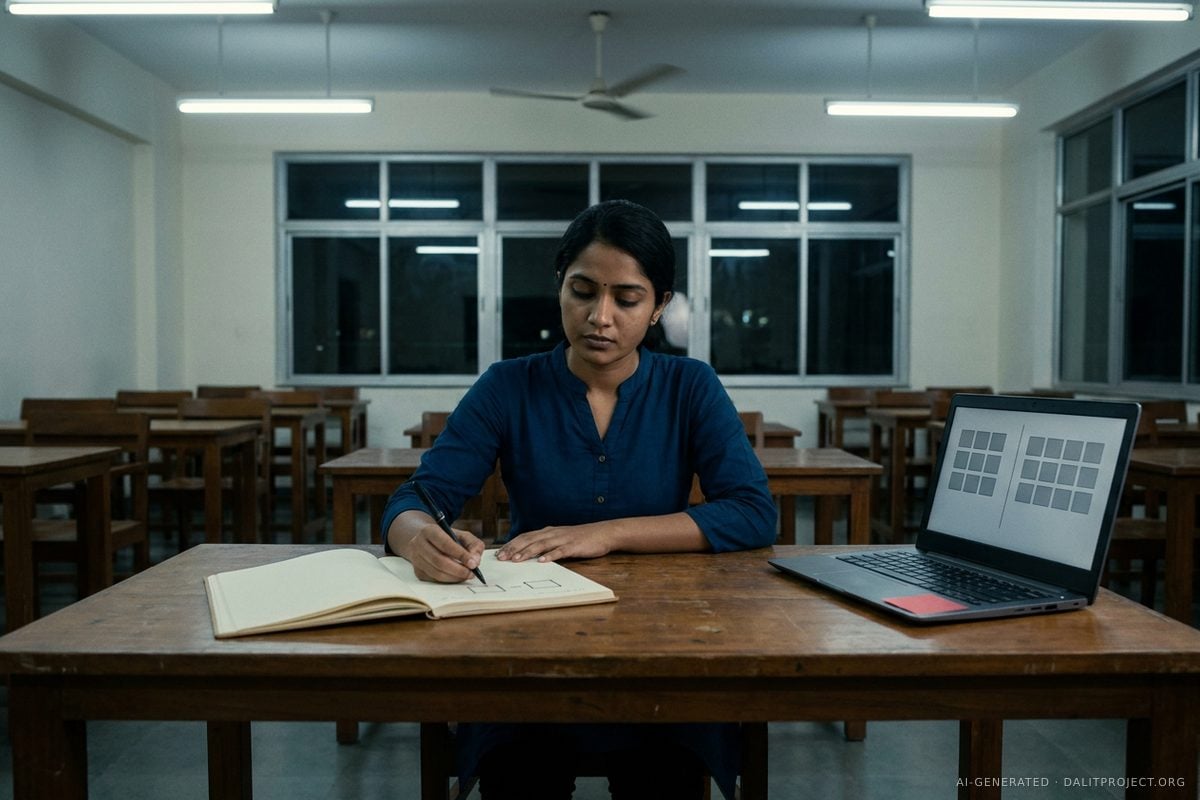
Illustration: a researcher sketches two linked squares beside a laptop showing grids of grey tiles in an empty computer lab at night. — DalPro Frames (AI-generated) – Why AI image?
It reaffirms who is normal or fit to write an academic cover letter, by considering what is most likely or most probable.
Illustration: a researcher sketches two linked squares beside a laptop showing grids of grey tiles in an empty computer lab at night. — DalPro Frames (AI-generated) – Why AI image?
Tests since 2023 find that chatbots and image generators reproduce caste hierarchy. Most are lab tests, not audits of hiring or lending tools in real use in India.
Students at a government college in Tamil Nadu questioned, on camera, a youth body's caste column that India's model donor questionnaire lacks. No reported explanation says what it was for.
For 111 days, viewers in India could not see Tarluvada's Dalit residents describe losing land to Google's data centre. The order came from the state police, and no one has explained it.
Investors say an IIT degree speeds up the trust start-up money runs on, and scholars trace that degree to caste advantage. Federal programmes for Dalit founders mostly lend.
A paper at this year's FAccT conference argues that auditing AI image models for caste bias one category at a time misses how caste works: as a ranking between groups.
Seattle and Fresno name caste in their civil rights codes. No state does. Where the protections stand in 2026, what the courts have said, and where California's case against Cisco has got to.
Dalit engineers in the US and India describe the same filter: questions that locate caste, referral networks, and reviews that read dominant-caste comfort as merit.