Caste violence, and what the state does next. We follow each case from the attack to the verdict, measure the gap between the law Dalits won in 1989 and the convictions it delivers, and record how families and organisations force accountability.
Reservation is a constitutional claim, not a favour. We test it against the record: posts left empty for want of a 'suitable' candidate, quotas divided without data, a census that counts caste but may not change who is protected, and promised money that never arrived.
Who owns, who works and who profits. Dalit families still wait for land the state granted a century ago, sanitation workers still die in sewers officials say nobody cleans by hand, and caste still decides who gets hired, paid and funded.
Who holds power, and who is kept out of it. We count who sits in legislatures, newsrooms, courts and boardrooms, follow the parties that court Dalit votes, and ask what Dalit representatives can change once they are inside.
Caste does not disappear in code; it is written into it. We report who builds Indian and global tech and who gets filtered out, what automated systems learn about Dalit people, and who decides which Dalit voices stay online.
Dalit culture made on its own terms: work that refuses the stories dominant castes wrote for it, critics who judge it from a stated standpoint, the archives movements kept for themselves, and the Ambedkarite and Buddhist turn that treats leaving caste as a political act.
Caste and patriarchy work together, and so do the people who fight both. We report where Brahminical patriarchy bites hardest, in the field, the home and the courtroom, and hear from Dalit women and queer, trans and disabled Dalit people on their own terms.
Caste is not only India's, and neither is the fight against it. From Nepal's courts to Seattle's council, Geneva's treaty bodies and Brussels' trade talks, we track where caste discrimination is named in law, and whether naming it changes anything.
Dalit thought as the primary theory of caste, not a footnote to it. We read its thinkers closely, from Ambedkar's 1916 paper on endogamy to Dalit scholars writing now, and test their arguments against what happens this week.
Caste violence, and what the state does next. We follow each case from the attack to the verdict, measure the gap between the law Dalits won in 1989 and the convictions it delivers, and record how families and organisations force accountability.
Reservation is a constitutional claim, not a favour. We test it against the record: posts left empty for want of a 'suitable' candidate, quotas divided without data, a census that counts caste but may not change who is protected, and promised money that never arrived.
Who owns, who works and who profits. Dalit families still wait for land the state granted a century ago, sanitation workers still die in sewers officials say nobody cleans by hand, and caste still decides who gets hired, paid and funded.
Who holds power, and who is kept out of it. We count who sits in legislatures, newsrooms, courts and boardrooms, follow the parties that court Dalit votes, and ask what Dalit representatives can change once they are inside.
Caste does not disappear in code; it is written into it. We report who builds Indian and global tech and who gets filtered out, what automated systems learn about Dalit people, and who decides which Dalit voices stay online.
Dalit culture made on its own terms: work that refuses the stories dominant castes wrote for it, critics who judge it from a stated standpoint, the archives movements kept for themselves, and the Ambedkarite and Buddhist turn that treats leaving caste as a political act.
Caste and patriarchy work together, and so do the people who fight both. We report where Brahminical patriarchy bites hardest, in the field, the home and the courtroom, and hear from Dalit women and queer, trans and disabled Dalit people on their own terms.
Caste is not only India's, and neither is the fight against it. From Nepal's courts to Seattle's council, Geneva's treaty bodies and Brussels' trade talks, we track where caste discrimination is named in law, and whether naming it changes anything.
Dalit thought as the primary theory of caste, not a footnote to it. We read its thinkers closely, from Ambedkar's 1916 paper on endogamy to Dalit scholars writing now, and test their arguments against what happens this week.
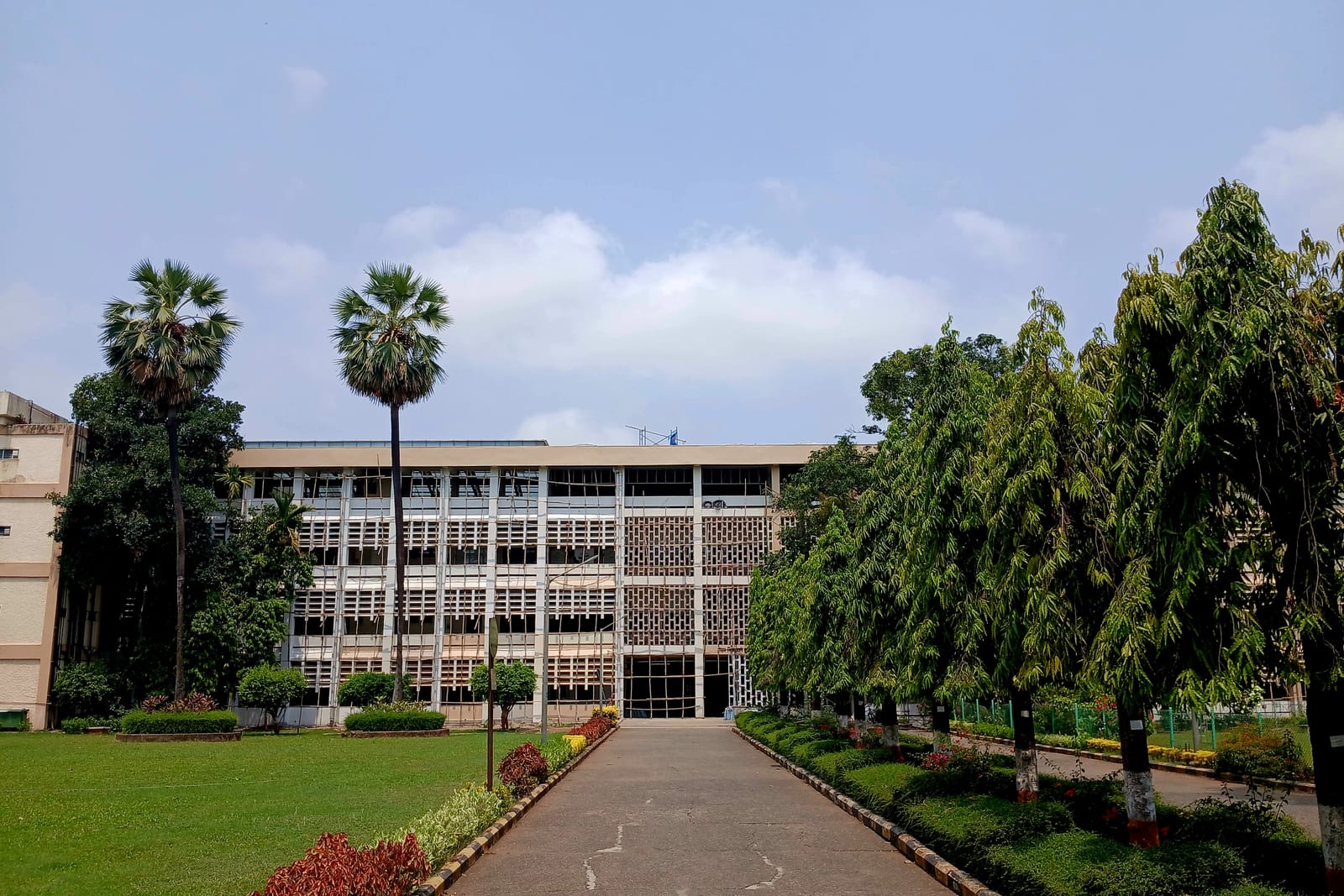
Three years after Darshan Solanki's death, another Dalit student has died at IIT Bombay, and the institute's first account again centred on the student. Students want many of the same reforms.
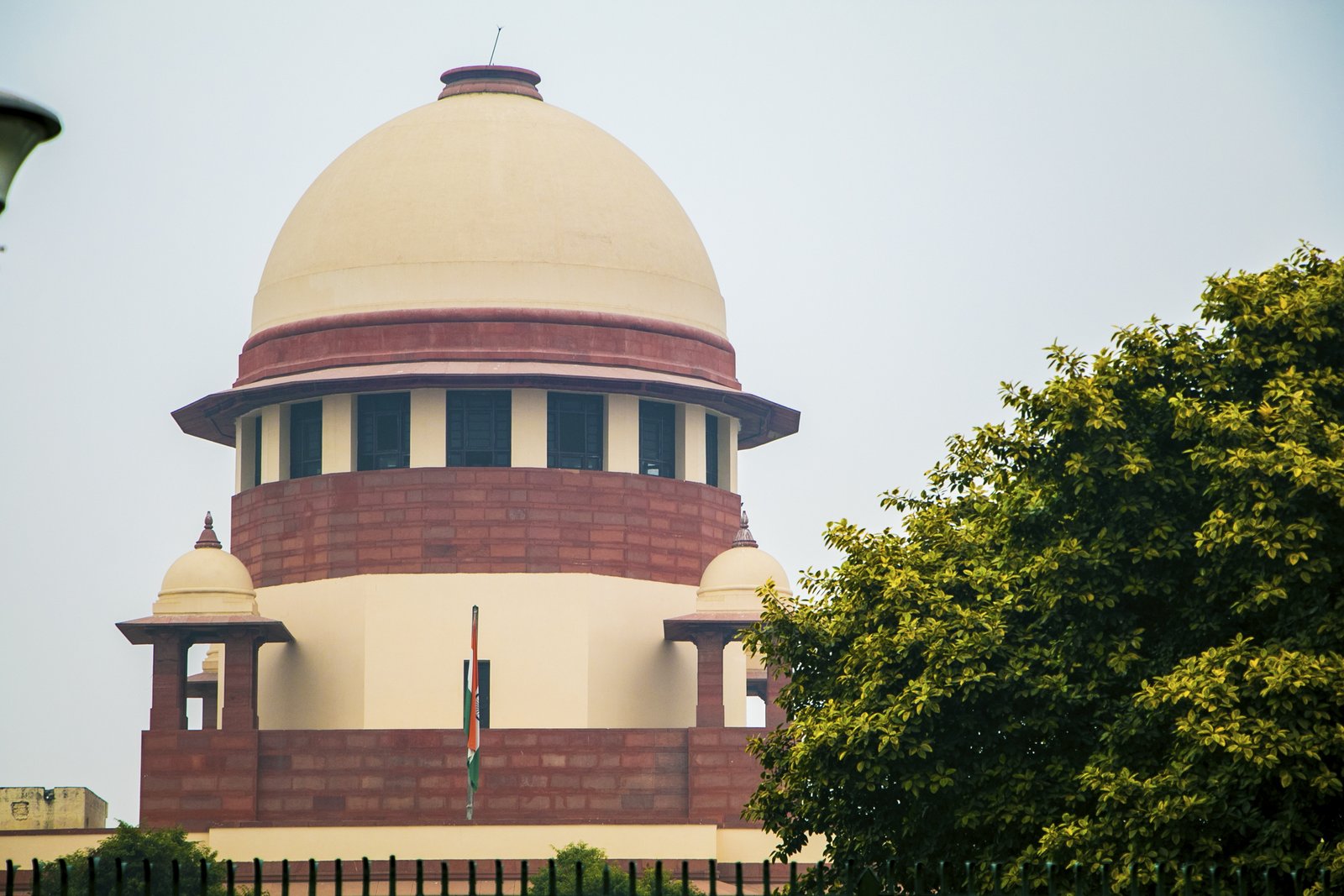
Each state built its case on its own commission's evidence after India's Supreme Court allowed the split in 2024. Federal records count Dalits in central jobs, not which Dalit communities hold them.
A satirical party with a Dalit founder helped push India's education minister out, with Ambedkar's book held high and "Jai Bhim" among its slogans. Dalit writers disagree on what that means.
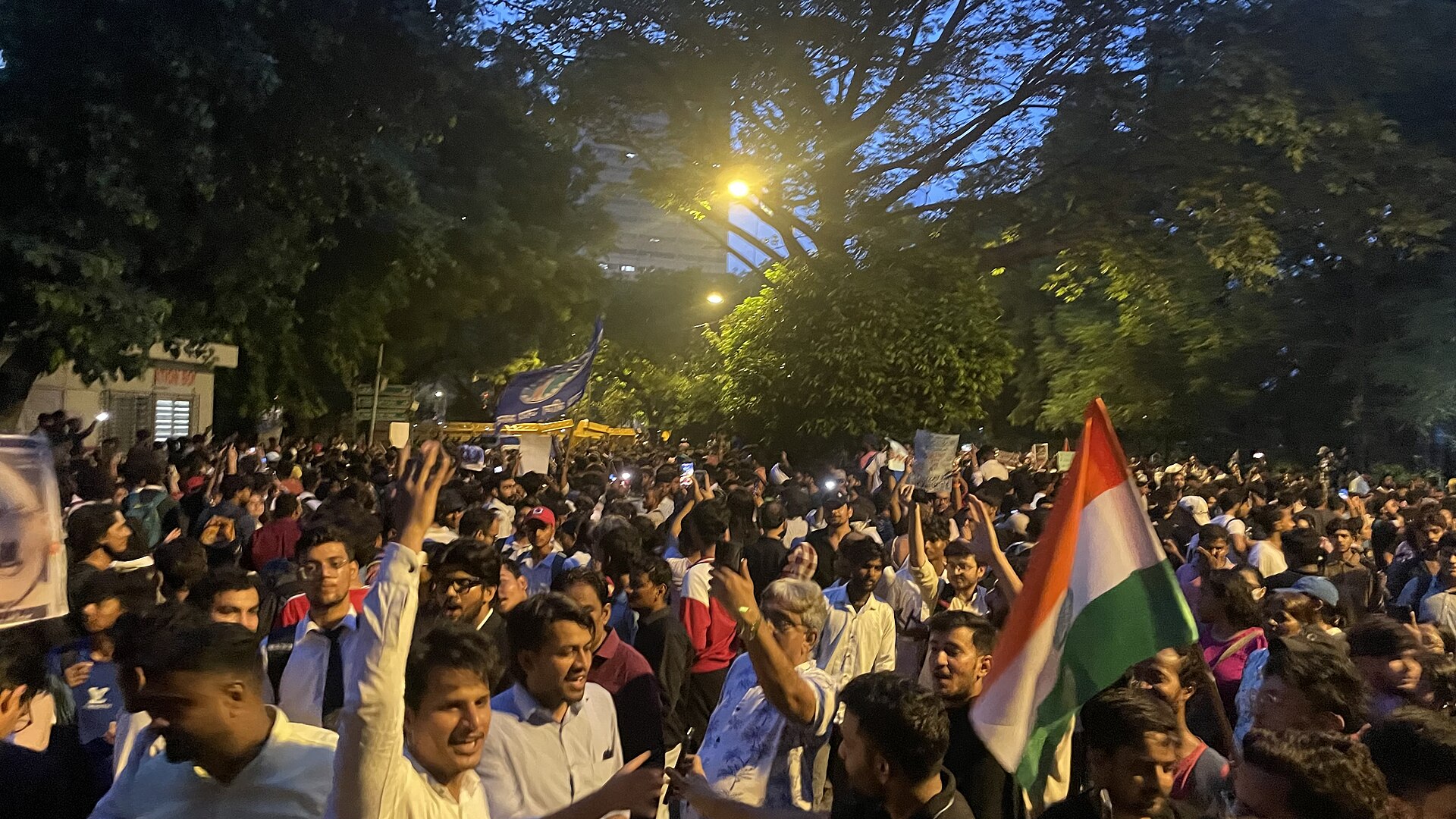
Protesters at Jantar Mantar, Delhi's protest ground, on the evening of 21 July 2026, the day after the march on Parliament. — Alnitak-Alnilam-Mintaka, CC BY-SA 4.0
I come from a Dalit family. That is why Dr Ambedkar has had such a profound influence on my life. If I am sitting in Boston today, it is because he secured for us the right to equality and the right to live with dignity.
— Abhijeet Dipke, founder of the Cockroach Janta Party, as quoted by Pramod Ranjan in Kafila
17% → 7%
West Bengal's OBC reservation in state government posts, after the May 2026 notification restored the pre-2010 list of 66 classes.
When the Cockroach Janta Party's founder said he was Dalit, replies on X called him "against Merit". The same argument ran through India's year, from campus rules to an exam scandal.
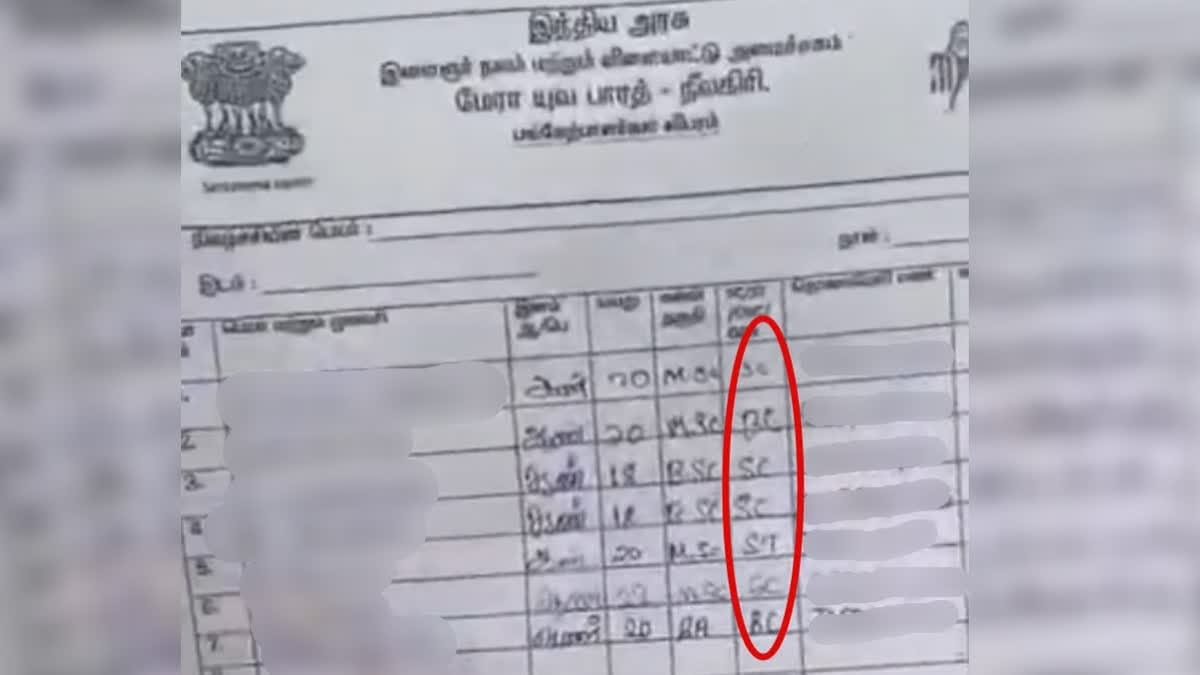
Students at a government college in Tamil Nadu questioned, on camera, a youth body's caste column that India's model donor questionnaire lacks. No reported explanation says what it was for.
The fear in the Brahminical establishment is that a Dalit can enter this so-called prestigious institute with a voice and assertion. Their deepest insecurities were exposed in the way this case was handled.
— Prashant More, a Dalit former student at the Film and Television Institute of India, on how his caste complaint was handled, in Outlook
Showing —
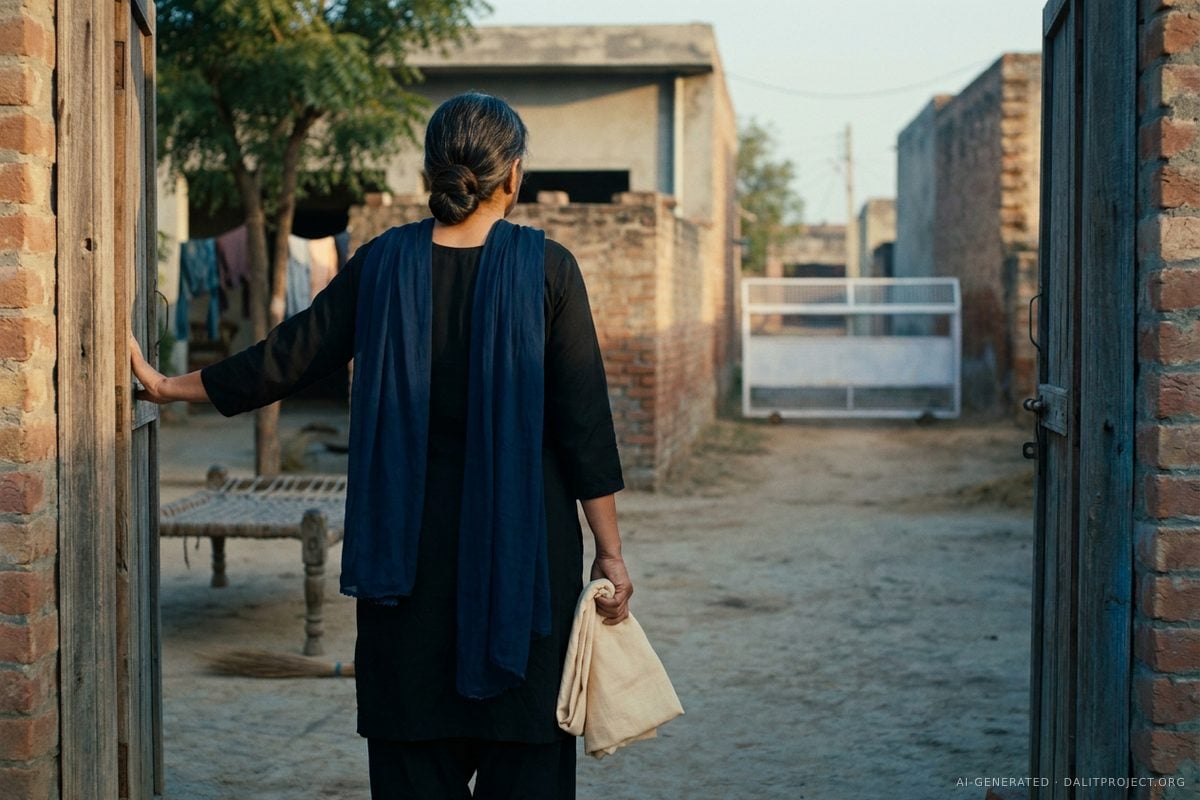
Illustration: a woman holds open the gate of a village house, a folded cloth in her hand, facing a barricade across the lane. — DalPro Frames (AI-generated) – Why AI image?
Sanamdeep Singh's family kept his body in a Sangrur mortuary for five days to press for Atrocities Act charges. Police removed them and oversaw the cremation, citing decay.
Students at a government college in Tamil Nadu questioned, on camera, a youth body's caste column that India's model donor questionnaire lacks. No reported explanation says what it was for.
The Dalit M.Ed. student says faculty harassed her and held her marks down. The national commission that took up her case can demand answers, but has no power of its own to punish.
Telangana says it is testing an allegation against a former chief minister. The notices have gone to Dalit families who have farmed Erravalli's assigned land for 60 years.
Three years after Darshan Solanki's death, another Dalit student has died at IIT Bombay, and the institute's first account again centred on the student. Students want many of the same reforms.
India abolished untouchability in 1950. Surveys, audits and Dalit testimony show it moved into the rental interview, the hiring shortlist, the marriage market and the kitchen.
A satirical party with a Dalit founder helped push India's education minister out, with Ambedkar's book held high and "Jai Bhim" among its slogans. Dalit writers disagree on what that means.
Census 2027 asks everyone outside the SC and ST lists to write in a caste. Who sorts those answers, and which Dalits the list leaves out, is still open.
Ambedkar called Indian democracy a "top-dressing" on undemocratic soil. In West Bengal's 2026 election, a roll revision struck about 9.1 million names, and Matua voters say what lay beneath.
The Supreme Court froze the campus rules Rohith Vemula's mother fought for, over whether caste discrimination runs one way. Ambedkar explained in 1936 why rules alone keep losing.
The Supreme Court froze the 2026 campus equity rules, but the 2012 rules, anti-ragging rules and the Atrocities Act still apply. What each gives you, and where to complain.
Dalit seats follow the Scheduled Caste count and a freeze that lifts after this census, not the new caste question. What else the count changes depends on what the state publishes.
When the Cockroach Janta Party's founder said he was Dalit, replies on X called him "against Merit". The same argument ran through India's year, from campus rules to an exam scandal.
A 2024 court ruling struck down OBC classifications made in 2010–2012 and called for a fresh, commission-led study. West Bengal's new BJP government restored the pre-2010 list before that study began.
Oxfam India and Newslaundry's 2022 count found general-category journalists in 191 of 218 leadership posts. Dalit journalists who built their own newsrooms explain what that does to the news.