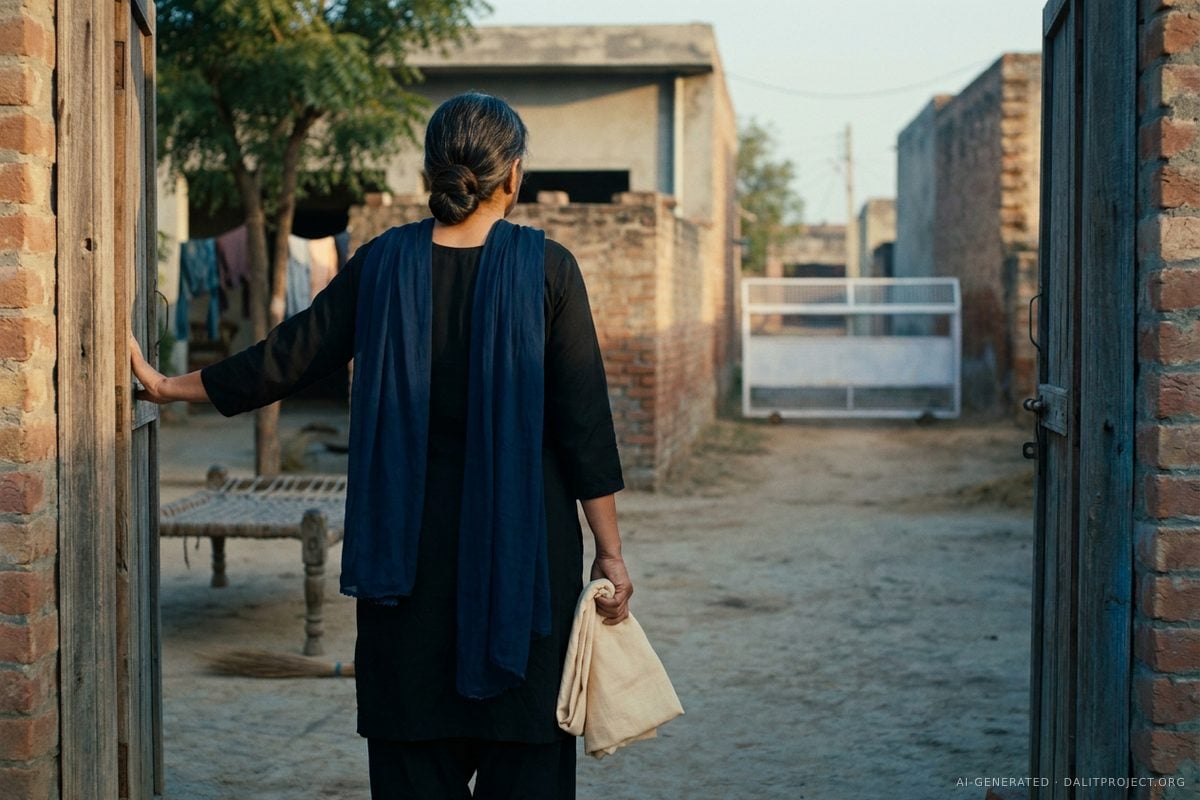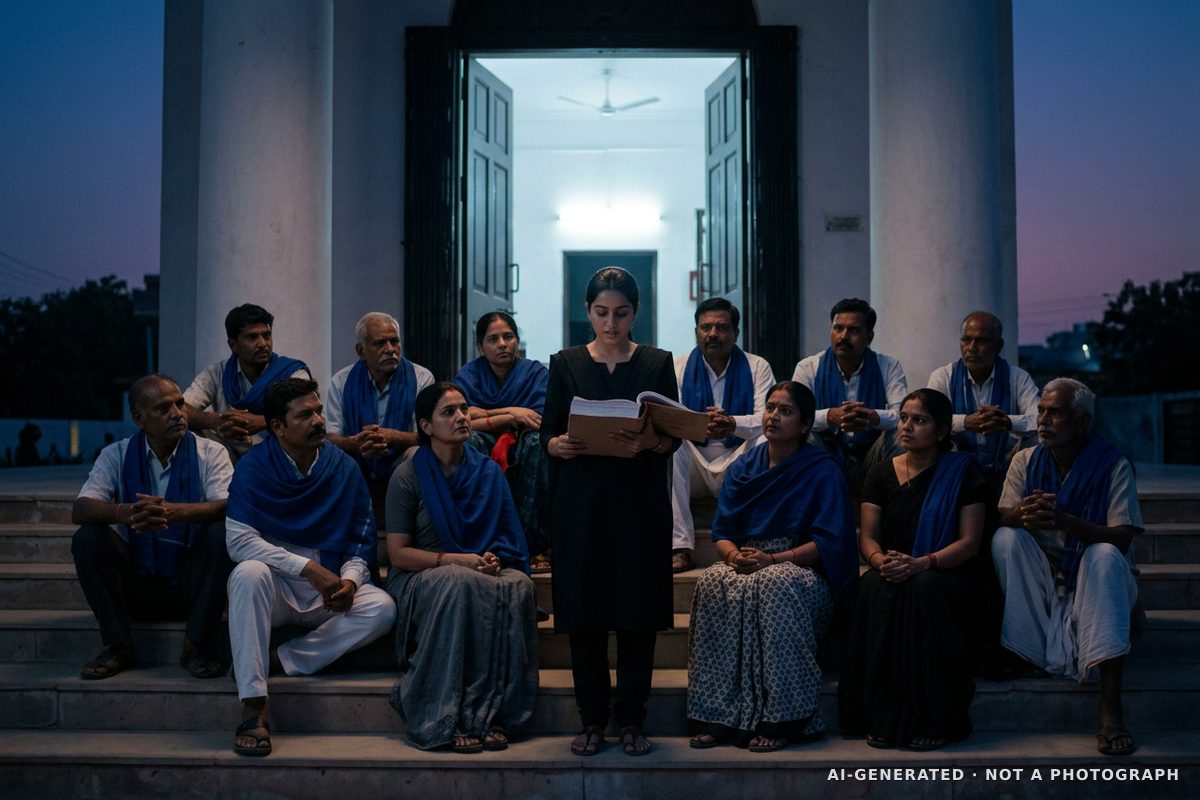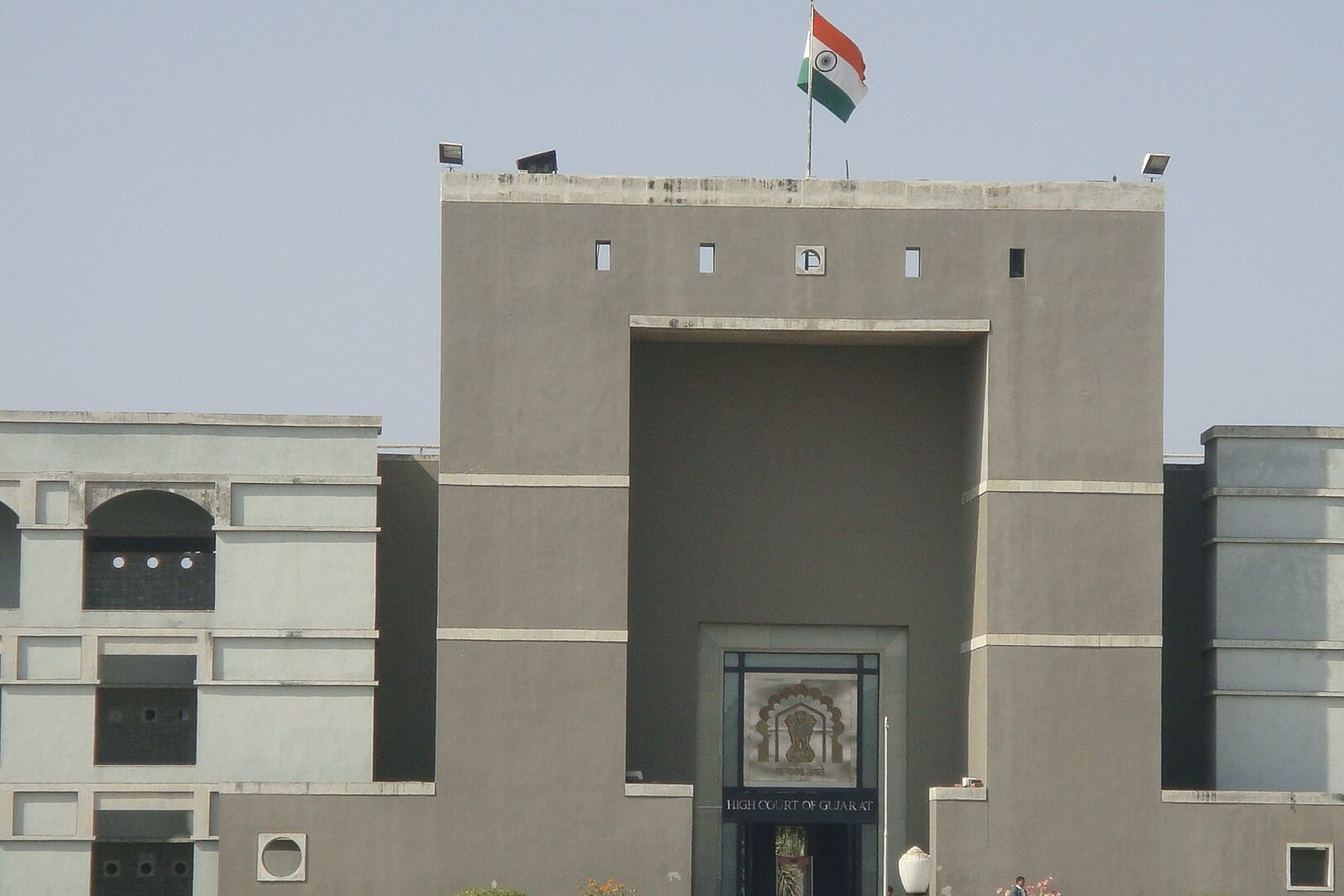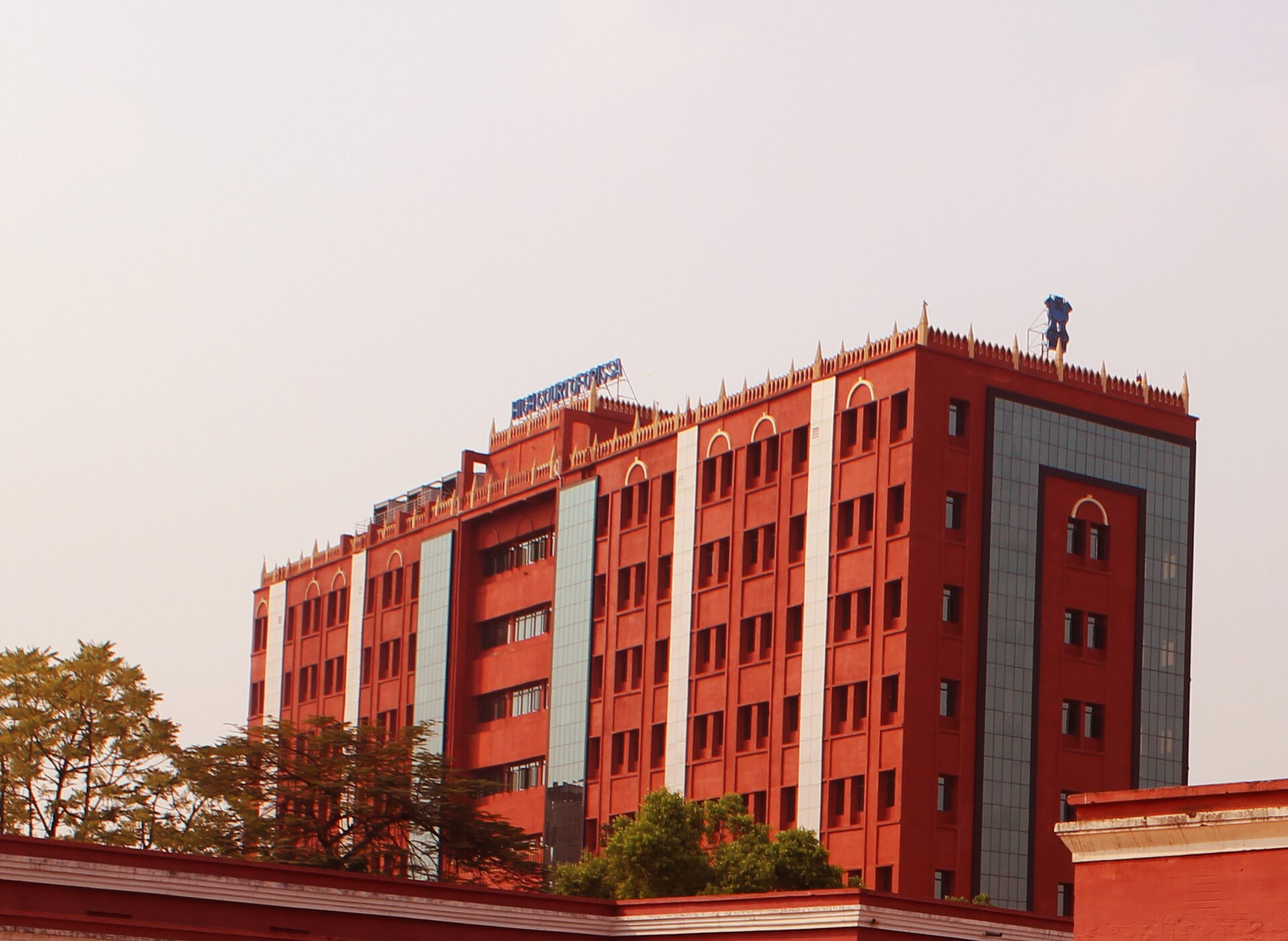
On 28 May 2025, the Orissa High Court, the top court of the eastern Indian state of Odisha (the court keeps the state’s old spelling), granted bail to a man named Kumeswar Naik. One of its conditions, as the Supreme Court of India later reproduced it, read: “The Petitioner shall clean the premises of the Kasipur Police Station in the morning hour (between 6.00 A.M to 9.00 AM) for two months from the date of his actual release.” The police were to supply “the cleaning articles like broom, phenvl [phenyl] and other items”.
He was accused, not convicted: the Supreme Court later said it was “not concerned with” the “veracity of the FIRs registered” against the demonstrators. He was a man seeking bail, not a convicted man. Bail exists, as one legal analyst puts it, “only to secure his attendance” at trial. This condition did something else: it handed a man the broom. Naik’s order was one of at least eight like it, and of the eight people they bound, six were Dalit, from the communities once branded “untouchable”, and two were Adivasi, from India’s Indigenous peoples, according to Article 14, the investigative outlet whose report the Supreme Court’s intervention followed.
The Supreme Court struck the conditions down on 4 May 2026. Its order is an unusually blunt statement by India’s top court about caste inside the judiciary. Read closely, it also shows how caste’s oldest rule, that some people are assigned to clean up after others, can enter a courtroom without anyone saying the word.
What happened
Article 14 reported on 27 April 2026 that it had accessed eight bail orders issued between May 2025 and January 2026: one from the High Court and seven from courts in Rayagada, a district in southern Odisha. Each told the accused to clean a police station; the two orders the Supreme Court later quoted named the one at Kashipur, a town in the district. Article 14 also reported, citing Naik and an activist working with the accused, that five of the eight orders were enforced.
A week later the Supreme Court registered the matter on its own motion (suo motu) and decided it the same day. The bench, Chief Justice Surya Kant and Justice Joymalya Bagchi, recorded in its order that some forty people had been arrested in a set of criminal cases and that some were later granted bail, subject to conditions. It said it was not concerned with “the veracity of the FIRs registered”, meaning the First Information Reports, the police complaints that open a criminal case. Its concern was the bail conditions, which it called “an unprecedented and rather odious requirement”.
The order recorded that the conditions were “founded upon the presumption of guilt of the accused, as in a way, a nature of sentence has been awarded to them”. It found “some force” in the reporting that no such conditions were imposed on accused people “from the privileged sections of the society”, a point it said the State of Odisha’s own Advocate General, the state government’s senior lawyer, had “rightly submitted”. And it wrote:
Assuming that such conditions were imposed inadvertently or without any premeditated bias, the nature of the condition is so abhorrent, degrading, and unknown to law that it carries the potential to cast a serious aspersion, suggesting that the Odisha Judiciary is afflicted by a caste-based bias.
The bench said the state’s judiciary had “regressed to a colonial mindset”. It declared the conditions, and “any other similarly worded conditions”, null and void; ordered every court in Odisha to delete them; left the accused on bail, “unencumbered by these impermissible conditions”; and told every High Court in India to serve the order on every judicial officer, with a message that “such conditions shall not be imposed while granting bail under any circumstances”. It cited Article 17 of the Constitution, the clause that abolishes untouchability.
A week later, on 11 May, the Odisha High Court’s Registrar General, its chief administrative officer, filed a compliance report and the Supreme Court closed the case, LawBeat reported. The bench added that its earlier order should not be read as an aspersion or adverse comment against any High Court judge or judicial officer in the state, noting that the remarks might otherwise demoralise them, according to LiveLaw.
Naik’s own criminal case is a separate matter, which the Supreme Court said it was not examining. It left him on bail without the cleaning condition.
The mechanism: a labour rule, not an insult
6 of 8 — the people Odisha’s courts ordered to clean a police station as a condition of bail, May 2025 to January 2026, who were Dalit. The other two were Adivasi. Source: Article 14.
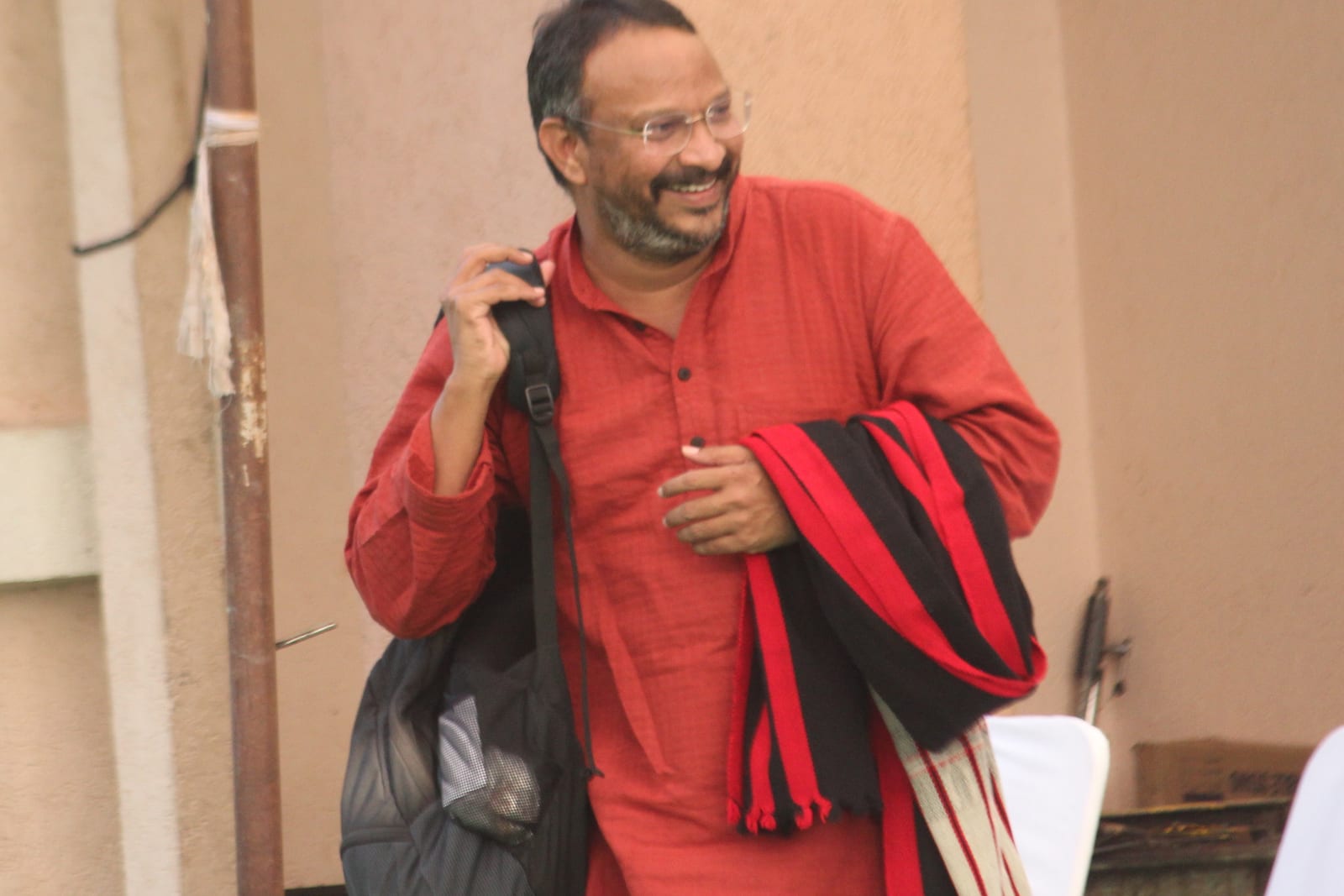
i
CC BY-SA 4.0Original on Wikimedia CommonsCaste in India is, at its root, a rule about work: who is born to which labour, and who is born to clean. The Supreme Court’s order does not quote that history, but it rests on it. When it reaches for Article 17 rather than only for the ordinary law of bail, it is saying that the vice is not just that the conditions were harsh. It is what kind of work they assigned, and to whom.
The courts have seen this rule before, written down. In the Supreme Court’s 2024 case on caste in prisons, Sukanya Shantha v Union of India, the senior advocate S. Muralidhar read out a rule from the prison manual of Uttar Pradesh, in northern India, saying that a prisoner “shall not be called upon to perform duties of degrading character unless he belongs to a class or community accustomed to perform such duties”, Supreme Court Observer reported. On 3 October 2024 the Court struck down rules that allotted work in prisons by caste. Less than eight months later, the High Court’s order in Naik’s case allotted the sweeping of a police station to a man on bail, not under sentence.
Neither condition the Supreme Court quoted uses the word caste. That is the point. V. Venkatesan, writing in Supreme Court Observer, argues that the Supreme Court condemned the conditions “not because they are excessive (they are) but because they are caste-coded sentences masquerading as bail conditions”. He points to a route by which such conditions can look lawful: India’s 2023 criminal code, the Bharatiya Nyaya Sanhita, added “community service” as a punishment. The High Court of Kerala, in southern India, he notes, has held that it is a sentence after conviction and cannot be a bail condition. The Supreme Court’s order does not mention it.
The voice that names it
The people bound by the orders have put it more plainly than any court.
However, I do want to point out that the judiciary itself gave this casteist order, which makes me wonder where we stand.
— Kumeswar Naik, speaking to Article 14, April 2026
Naik’s question is about standing, not hurt feelings: where a Dalit accused stands before a court that is meant to presume him innocent. The sanitation workers’ leader Bezwada Wilson, recalling what he learned from reading B.R. Ambedkar, the Dalit jurist who led the drafting of India’s Constitution, put the rule behind it this way in an interview with India Development Review: “We are not scavengers because we are poor, weak, or illiterate, or because we have chosen to be scavengers. It is because somebody else has made us scavengers.” In these bail orders, the somebody else was a court.
The strongest objection
The best case against reading these orders as caste is that the Orissa High Court also set cleaning duties in other kinds of cases. The Leaflet reported that in May 2025 the High Court told an accused in a bank fraud case to clean the premises of a branch of ICICI Bank, a private lender, every day for two months, and another, in a robbery case, to clean the wards and rooms of a hospital. On that reading, the Odisha orders reflect an unusual idea of community service, applied without regard to caste.
That objection does not survive the record. First, the Supreme Court considered the intent question and set it aside: even “assuming” no “premeditated bias”, the conditions carried the caste aspersion. Caste discrimination does not need a confession; it is measured by who carries the burden. Second, The Leaflet’s report does not say who the bank or hospital accused were, but the record does tell us who was sent to sweep police stations in these cases: six Dalit people and two Adivasi people, while, as the state’s own lawyer “rightly submitted”, in the Supreme Court’s words, such conditions were not being imposed on accused people “from the privileged sections of the society”. Third, a police station is not a neutral place to send someone with a broom. It belongs to the police, the agency that registers criminal cases, and the High Court told the officer in charge there to hand over the broom and the phenyl.
What to watch
The order is a strong administrative step. Venkatesan notes what it leaves out: it does not examine the criminal cases, and it leaves the community-service route untouched. Eighty-six citizens, lawyers and activists had written to the Chief Justices of the Orissa High Court and the Supreme Court on 26 July 2025, asking them to recall the conditions. The Supreme Court acted nine months later, after, in Venkatesan’s words, “media reportage made the pattern impossible to ignore”.
Three things will show whether the order works. Whether the other High Courts serve it on every judicial officer, as the Court directed, and say so publicly. Whether bail conditions anywhere in India still assign cleaning or other menial work. And whether anyone counts which accused people receive “community service” style conditions, by caste and tribe, so that the next pattern is found by the system rather than by a reporter.
The country’s highest court erased Kumeswar Naik’s condition. Odisha’s courts had handed out the broom first. For the six Dalit and two Adivasi people the orders bound, the correction came after the sweeping had been ordered, and, by Article 14’s count, after five of the eight orders had been enforced. The Supreme Court wrote the conditions out of the bail orders. Whether courts stop reaching for the broom will show in the next orders, not in this one.