Caste violence, and what the state does next. We follow each case from the attack to the verdict, measure the gap between the law Dalits won in 1989 and the convictions it delivers, and record how families and organisations force accountability.
Reservation is a constitutional claim, not a favour. We test it against the record: posts left empty for want of a 'suitable' candidate, quotas divided without data, a census that counts caste but may not change who is protected, and promised money that never arrived.
Who owns, who works and who profits. Dalit families still wait for land the state granted a century ago, sanitation workers still die in sewers officials say nobody cleans by hand, and caste still decides who gets hired, paid and funded.
Who holds power, and who is kept out of it. We count who sits in legislatures, newsrooms, courts and boardrooms, follow the parties that court Dalit votes, and ask what Dalit representatives can change once they are inside.
Caste does not disappear in code; it is written into it. We report who builds Indian and global tech and who gets filtered out, what automated systems learn about Dalit people, and who decides which Dalit voices stay online.
Dalit culture made on its own terms: work that refuses the stories dominant castes wrote for it, critics who judge it from a stated standpoint, the archives movements kept for themselves, and the Ambedkarite and Buddhist turn that treats leaving caste as a political act.
Caste and patriarchy work together, and so do the people who fight both. We report where Brahminical patriarchy bites hardest, in the field, the home and the courtroom, and hear from Dalit women and queer, trans and disabled Dalit people on their own terms.
Caste is not only India's, and neither is the fight against it. From Nepal's courts to Seattle's council, Geneva's treaty bodies and Brussels' trade talks, we track where caste discrimination is named in law, and whether naming it changes anything.
Dalit thought as the primary theory of caste, not a footnote to it. We read its thinkers closely, from Ambedkar's 1916 paper on endogamy to Dalit scholars writing now, and test their arguments against what happens this week.
Caste violence, and what the state does next. We follow each case from the attack to the verdict, measure the gap between the law Dalits won in 1989 and the convictions it delivers, and record how families and organisations force accountability.
Reservation is a constitutional claim, not a favour. We test it against the record: posts left empty for want of a 'suitable' candidate, quotas divided without data, a census that counts caste but may not change who is protected, and promised money that never arrived.
Who owns, who works and who profits. Dalit families still wait for land the state granted a century ago, sanitation workers still die in sewers officials say nobody cleans by hand, and caste still decides who gets hired, paid and funded.
Who holds power, and who is kept out of it. We count who sits in legislatures, newsrooms, courts and boardrooms, follow the parties that court Dalit votes, and ask what Dalit representatives can change once they are inside.
Caste does not disappear in code; it is written into it. We report who builds Indian and global tech and who gets filtered out, what automated systems learn about Dalit people, and who decides which Dalit voices stay online.
Dalit culture made on its own terms: work that refuses the stories dominant castes wrote for it, critics who judge it from a stated standpoint, the archives movements kept for themselves, and the Ambedkarite and Buddhist turn that treats leaving caste as a political act.
Caste and patriarchy work together, and so do the people who fight both. We report where Brahminical patriarchy bites hardest, in the field, the home and the courtroom, and hear from Dalit women and queer, trans and disabled Dalit people on their own terms.
Caste is not only India's, and neither is the fight against it. From Nepal's courts to Seattle's council, Geneva's treaty bodies and Brussels' trade talks, we track where caste discrimination is named in law, and whether naming it changes anything.
Dalit thought as the primary theory of caste, not a footnote to it. We read its thinkers closely, from Ambedkar's 1916 paper on endogamy to Dalit scholars writing now, and test their arguments against what happens this week.
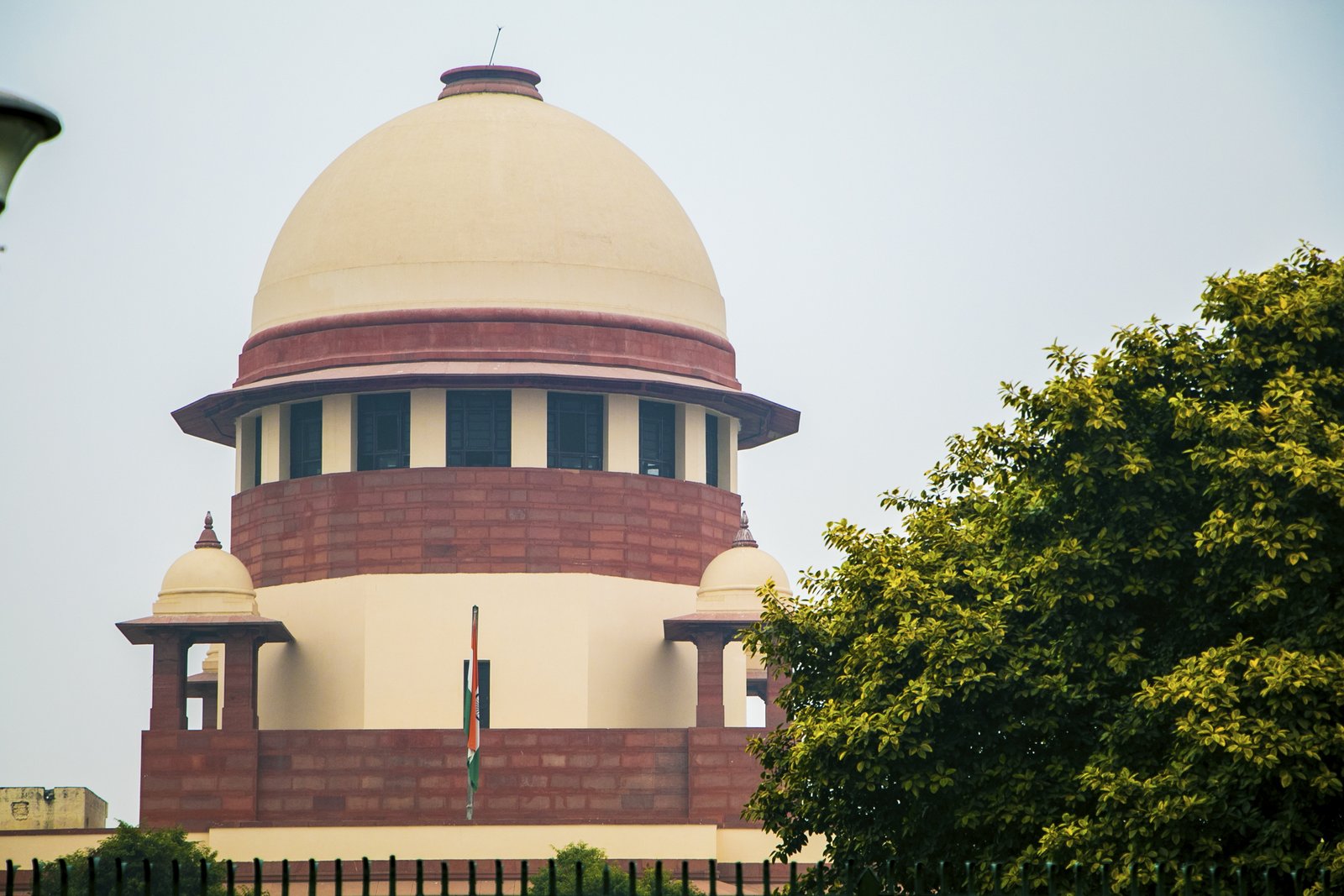
Each state built its case on its own commission's evidence after India's Supreme Court allowed the split in 2024. Federal records count Dalits in central jobs, not which Dalit communities hold them.
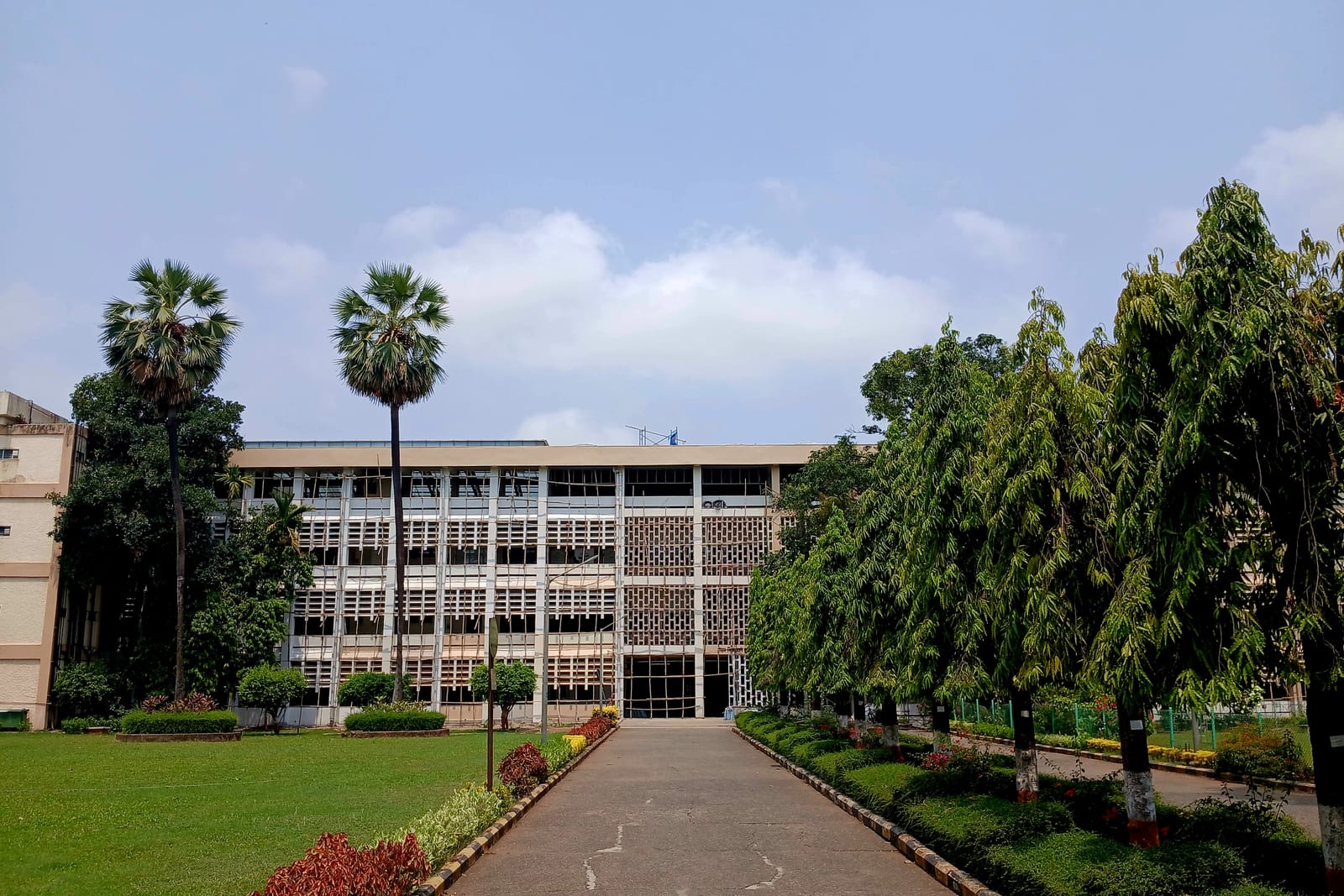
Three years after Darshan Solanki's death, another Dalit student has died at IIT Bombay, and the institute's first account again centred on the student. Students want many of the same reforms.
Census 2027 asks everyone outside the SC and ST lists to write in a caste. Who sorts those answers, and which Dalits the list leaves out, is still open.
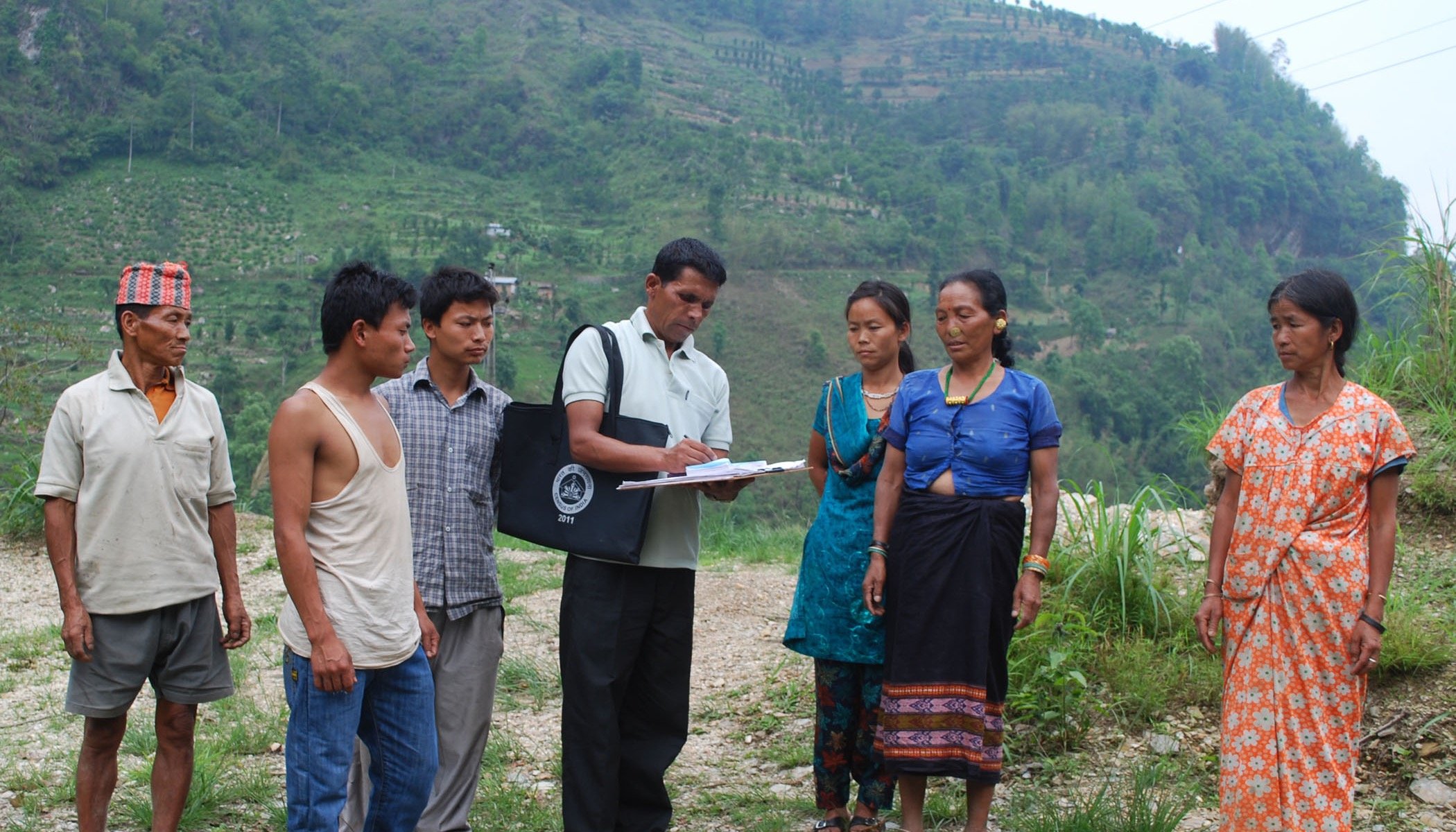
A Census of India 2011 enumerator fills out a household schedule by hand in West Sikkim. File photo. — MoSPI, Government of India, GODL-India
Two opposite designs have one identical outcome: the OBC and the General category [castes outside the quotas] – the population a caste census was revived specifically to make visible – remain, by design, unseen.
The Supreme Court has again refused Scheduled Caste status to Christian converts. The 1950 clause it enforces would, on its letter, have excluded Ambedkar himself when he converted.
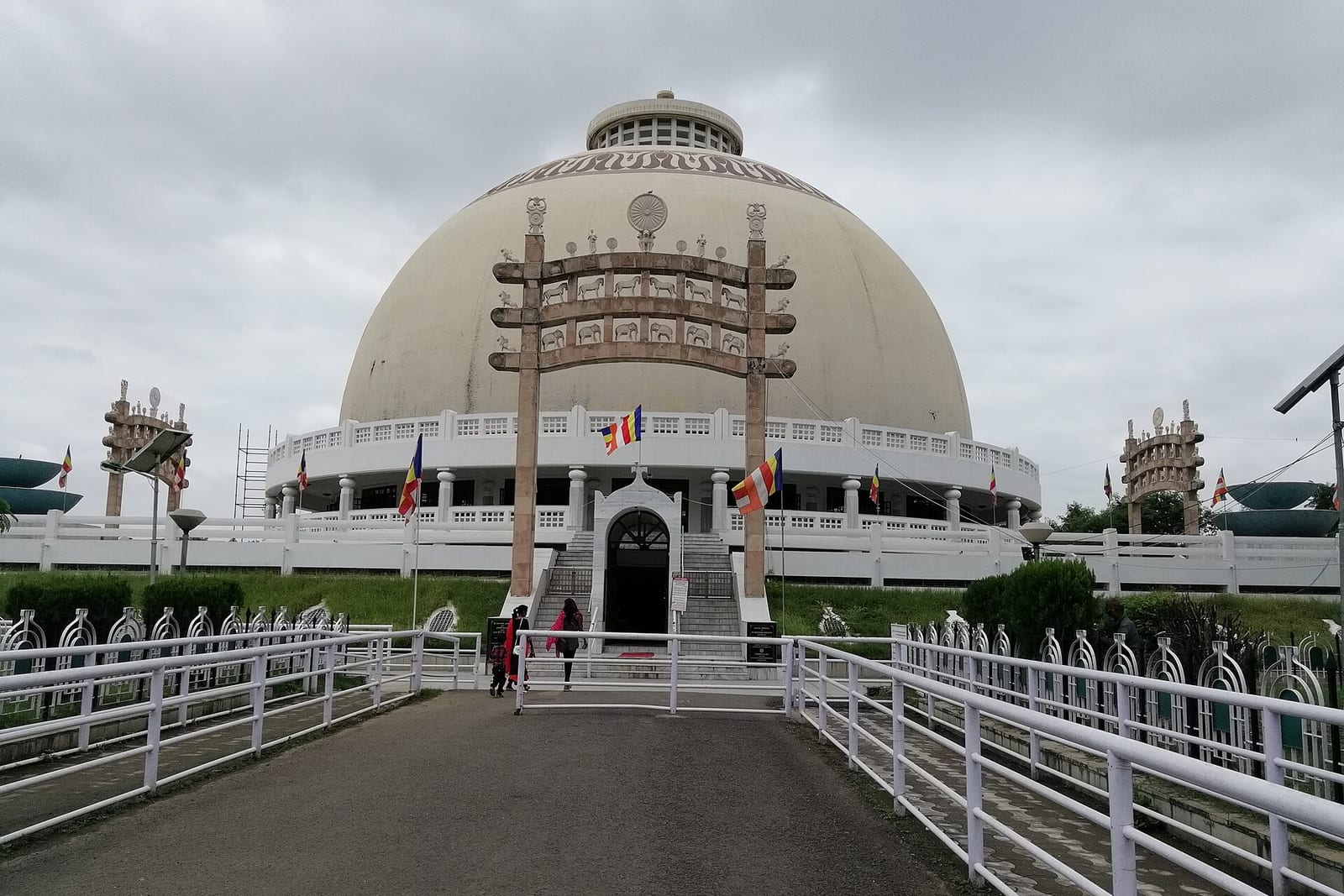
Deekshabhoomi, Nagpur, where B.R. Ambedkar converted to Buddhism in 1956. File photo. — Prakash Lokhande, CC BY-SA 4.0
What can possibly be done is to exclude the economically better SCs from economic concession and various caste-based subsidies but not from job reservation.
Share of federal government posts held by Scheduled Castes on 1 January 2026, against a 15% quota. How those posts divide among the communities on the list is not recorded centrally.
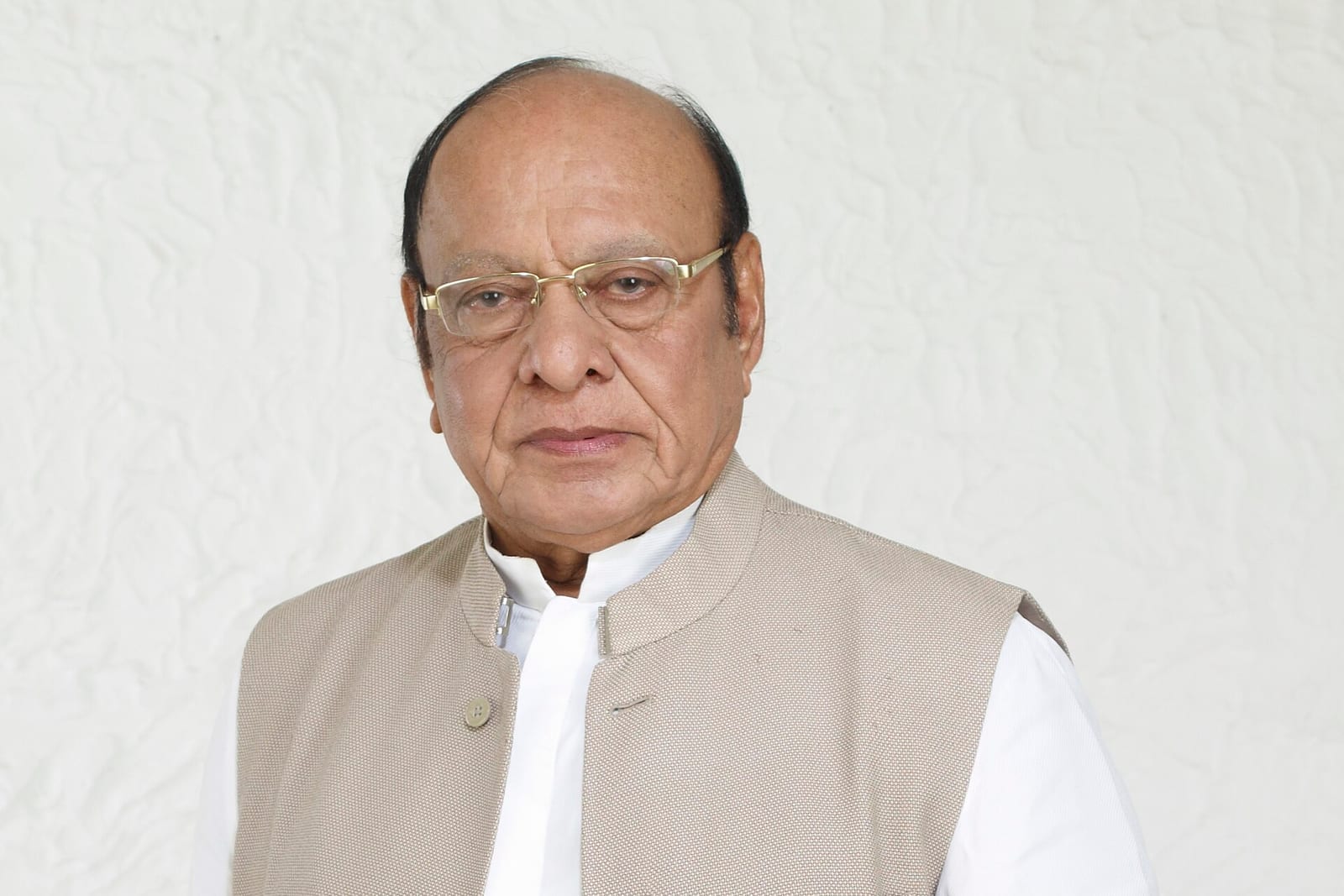
Shankersinh Vaghela dared reservation's opponents to clean excreta for Rs 50,000 a month. The BJP's reply, that the practice is gone, echoes an official definition the dead don't fit.
Each state built its case on its own commission's evidence after India's Supreme Court allowed the split in 2024. Federal records count Dalits in central jobs, not which Dalit communities hold them.
Census 2027 asks everyone outside the SC and ST lists to write in a caste. Who sorts those answers, and which Dalits the list leaves out, is still open.
The Supreme Court froze the 2026 campus equity rules, but the 2012 rules, anti-ragging rules and the Atrocities Act still apply. What each gives you, and where to complain.
Dalit seats follow the Scheduled Caste count and a freeze that lifts after this census, not the new caste question. What else the count changes depends on what the state publishes.
When the Cockroach Janta Party's founder said he was Dalit, replies on X called him "against Merit". The same argument ran through India's year, from campus rules to an exam scandal.
A 2024 court ruling struck down OBC classifications made in 2010–2012 and called for a fresh, commission-led study. West Bengal's new BJP government restored the pre-2010 list before that study began.
Oxfam India and Newslaundry's 2022 count found general-category journalists in 191 of 218 leadership posts. Dalit journalists who built their own newsrooms explain what that does to the news.
The Supreme Court has again refused Scheduled Caste status to Christian converts. The 1950 clause it enforces would, on its letter, have excluded Ambedkar himself when he converted.
On 1 April 2021, 2,389 of the 5,737 posts reserved for Dalits in India's 45 central universities, and 1,199 of the 3,097 reserved for Adivasis, were vacant, the education ministry told Parliament. Parliament's committee on Scheduled Caste and Scheduled Tribe welfare, examining faculty hiring at the All India Institute of Medical Sciences in New Delhi in 2022 and the University of Allahabad in 2025, refused the government's shortage explanation and pointed to selection panels that declare candidates unsuitable.