Arjunram Meghwal watched his father die. On 14 May 2015, a mob armed with sharp and blunt weapons attacked his family on a disputed plot in Dangawas, a village in Rajasthan’s Nagaur district. By the end of the day his father Ratnaram and four relatives, Pancharam, Ganeshram, Ganpatram and Pokarram, were dead, according to the First Information Report (FIR), the police complaint that opens a criminal case, which Arjunram lodged.
Eleven years later, on 5 August 2026, the special court for SC/ST (Prevention of Atrocities) Act cases in Merta acquitted all 40 people the CBI had charged. That law, the Scheduled Castes and Scheduled Tribes (Prevention of Atrocities) Act of 1989, is India’s main law against caste violence: it makes abuse, assault and dispossession of Dalit and Adivasi (Indigenous) people specific crimes, tried in special courts. “If nobody is guilty, then who killed my family? Did they die themselves?” Arjunram told The Wire that day.
The court did not find that the massacre never happened. It found that the state never built a case that could survive a courtroom. A proven atrocity with no proven perpetrator is how caste impunity works in practice: dominant-caste power turns a land claim into violence, and then the state’s own investigation fails to name who did it.
A land claim, then a mob
The dispute began with 23 bighas of farmland, about 14 acres. According to the CBI’s findings, as set out in the judgment, the Rajasthan government allotted the land to Bastaram Meghwal, a Dalit man, in 1961. In 1964 he mortgaged it for Rs 1,500 to Chimnaram Jat, of the Jat caste, which Forward Press describes as the village’s dominant caste. Ownership later passed to Ratnaram, Bastaram’s adopted son. Forward Press reports that the loan was repaid but the land was never returned, that revenue records showed Ratnaram as owner, and that a sub-divisional officer, the local land-revenue official, ordered that he be given possession.
In April 2015 Ratnaram built a house on the land to take it back. Informal village councils, or panchayats, met over the dispute in the days before 14 May, according to the judgment. The family’s FIR says that on that morning about 200 people attacked them, using tractors to demolish the house and huts they had built. The mob killed five Dalit men and seriously injured others, including women. A sixth man, Rampal Goswami, who was not Dalit, died of bullet wounds. A counter-FIR over his death names members of the Meghwal family as accused. The court said that case will be decided separately.
After nationwide outrage, the state’s then Bharatiya Janata Party (BJP) government handed the investigation to the CBI, which charged 40 people. The Wire reports that they were predominantly from the Jat community.
How a proven massacre produced no perpetrator
Special judge Ashish Bijarnia’s 245-page judgment is unusually direct about where the case failed. “The incident is proven, but the perpetrator is disproven,” it says. “And this failure does not arise from the skill of the defence, it arises from the prosecution’s own evidence.”
The record the court describes is a list of things the state did not do:
- No identification. No witness identified all 40 accused. Several knew only a small fraction of the mob, no identification parade was held, and three witnesses admitted that certain accused were absent or falsely included (The Wire).
- No weapons of the attack. The tractors at the heart of the prosecution’s case were never seized, identified or forensically examined (The Wire).
- A cold scene. The Central Forensic Science Laboratory reached the site 21 days after the killings, and no weapons were recovered there. Blood was found on some seized weapons but was never linked to the dead or injured (Maktoob).
- A contested FIR. The victims’ counsel, Abdul Salim Ansari, alleges that police left out names eyewitnesses gave them and later added others. The court’s finding of inconsistencies turned on exactly those contradictions (Maktoob).
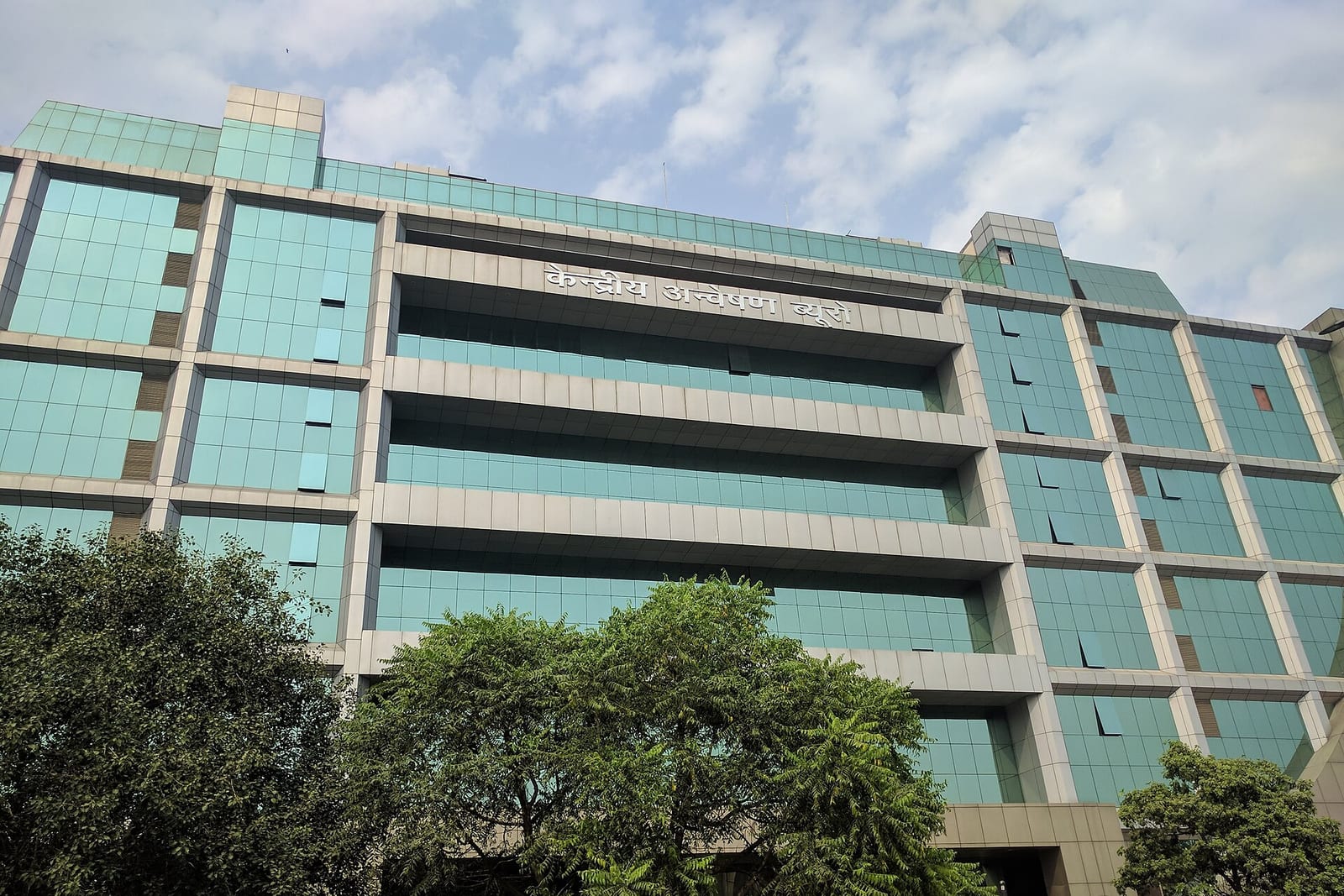
i
CC BY-SA 4.0Original on Wikimedia CommonsEvery item on that list was the job of the police, the CBI or the prosecution, not the victims. Yet the judgment holds the survivors’ testimony to a standard the investigation never helped them meet. Forward Press asks how much precision anyone should expect from women who “rarely ventured out of their localities” and young men who worked in other villages, while they were running from a mob in a village of 7,000 people.
287,694 cases under the SC/ST Act were pending trial across India at the end of 2024, the highest in five years. Source: National Crime Records Bureau (NCRB) data tabled in the Rajya Sabha, Parliament’s upper house, on 30 July 2026, via SCC Times.
“Who would have testified?”
The family has understood the logic of the verdict better than anyone. Govind Meghwal, Ratnaram’s closest kin, has handled the lawyers and the press since 2015. He is also named as an accused in the counter-case over Rampal Goswami’s death, which has not been decided; he says he was not home that day. Ratnaram’s son Arjunram put the problem as a question:
“If nobody is guilty, then who killed my family? Did they die themselves?” Arjunram Meghwal, speaking to The Wire, 5 August 2026
A verdict that depends on survivors naming each attacker gives every mob an incentive to leave fewer survivors. Bhanwar Meghwanshi, a Dalit rights activist, told The Wire: “This shows how difficult it is for Dalits to get justice. This is eroding the trust in the justice system and the guarantee of justice that our constitution gives us.”
The case for the verdict, and why it isn’t enough
The strongest defence of the judgment is that the court applied the law correctly. Criminal guilt is individual, and the court held that acquitting the guilty is as unjust as punishing the innocent. It also found that the prosecution had not established which side started the violence, and had not disproved the accused’s claim of private defence beyond reasonable doubt (Maktoob). A court cannot convict people the evidence does not reach.
That is a defence of the standard, not of the outcome. The judgment itself places the failure with the prosecution. The law also has tools for crowd crimes. Forward Press points to the Supreme Court’s 1989 ruling in Lalji v. State of Uttar Pradesh, which it cites as holding that once an unlawful assembly and its common object are proved, the prosecution need not prove a specific act by each member. Whether that doctrine could have carried this case is now a question for the appeal. The pattern is older than Dangawas. Chandrashekhar Azad, a member of Parliament who leads the Azad Samaj Party, compared the verdict to the 1997 Laxmanpur Bathe massacre in the eastern state of Bihar, where 58 Dalits were killed and every accused was eventually acquitted.
What to watch
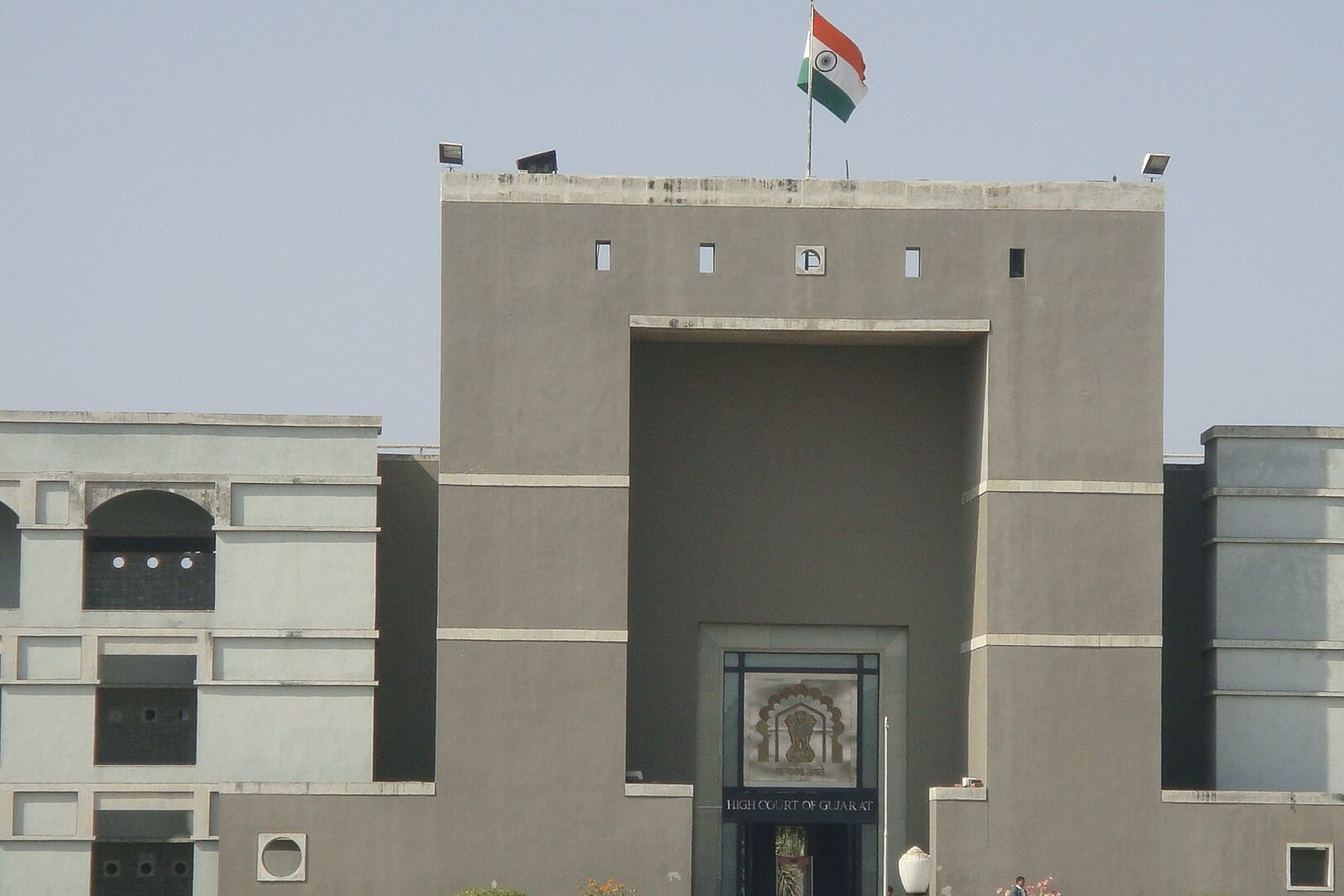
- The appeal. The family says it will go to the Rajasthan High Court. The Rajasthan branch of the People’s Union for Civil Liberties, a rights group, has urged the state and the CBI to appeal too. Whether the state appeals will show whose side it is on.
- The counter-case. The prosecution of Meghwal family members over Rampal Goswami’s death proceeds separately. Watch whether the state pursues it harder than it pursued the massacre.
- Compensation. The court directed Rajasthan to ensure the families receive compensation under the SC/ST Act’s 1995 rules.
The police tent that went up outside Arjunram’s house after the massacre is still there. For eleven years the state has guarded his family. It has still not said who it was guarding them from.