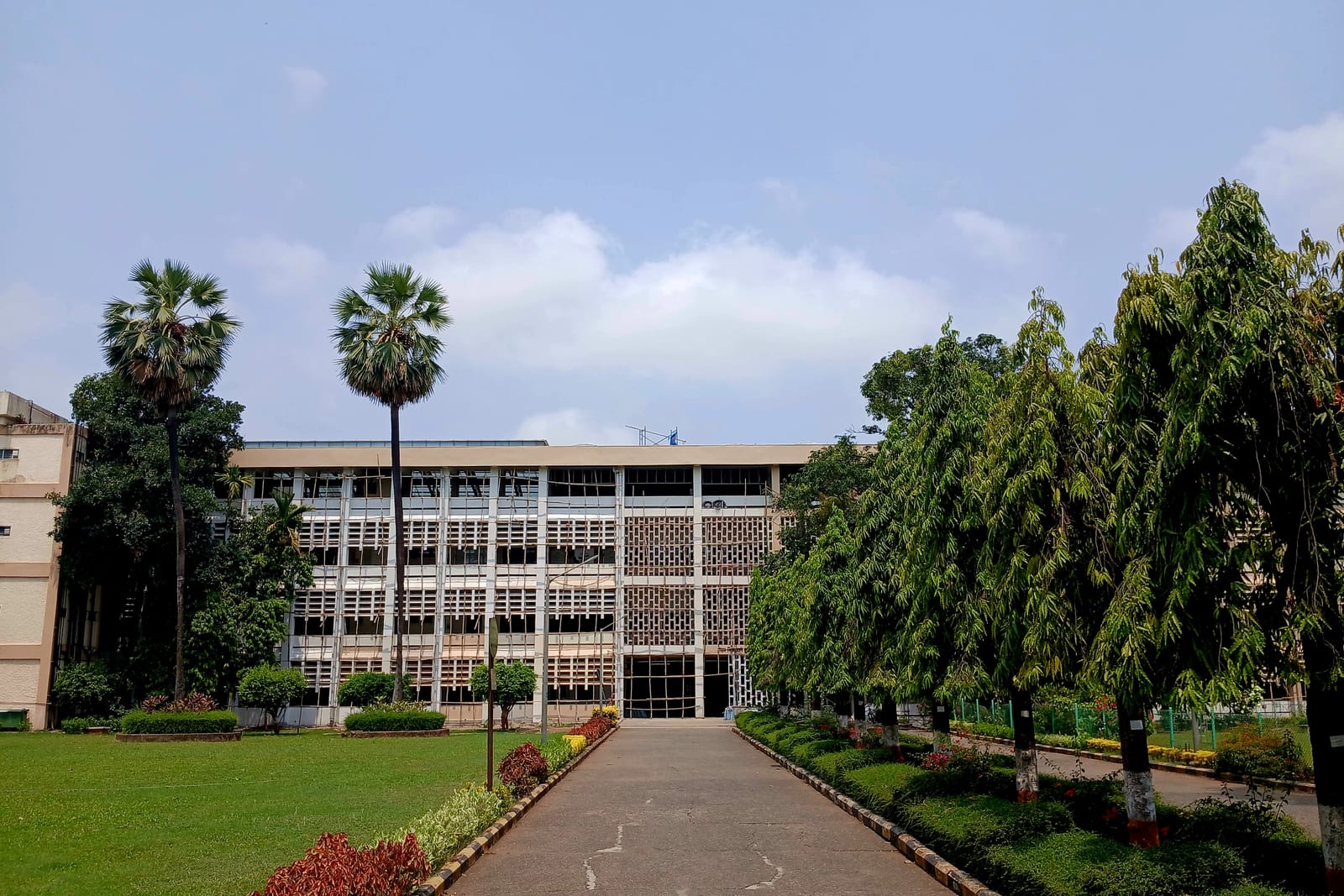
“Why is it that Dalit students are the ones dying by suicide?” Sonali Wakode asked reporters in Mumbai on 22 September, Deccan Herald reported. Four days earlier her son Sahil, a 20-year-old engineering student at the Indian Institute of Technology (IIT) Bombay, had died by suicide on campus.
Sahil was a second-year student in the Department of Energy Science and Engineering, from a Scheduled Caste family in Yavatmal, in eastern Maharashtra, the state whose capital is Mumbai, The Wire reports. Scheduled Castes is India’s legal term for Dalits, the communities once branded “untouchable”. IITs are India’s most selective public engineering universities, and IIT Bombay is among the best known. Hours before he died, according to a statement the institute later apologised for, he was found using his phone in a mid-term exam. His father’s First Information Report (FIR), the police complaint that opens a criminal case, accuses a professor of caste discrimination and of abetting his suicide.
On the public record, it is the second time in three years that IIT Bombay has lost a Dalit student and its first account of the death has centred on the student, not on the family’s allegations. In 2023 the institute’s committee explained Darshan Solanki’s death through his grades; this September its first statement explained Sahil’s through an exam incident. Each time the family pointed to caste. Many of the reforms students asked for after the first death are the ones they are asking for now. That is how caste works inside an elite institution: in the slurs students report, and in who gets to tell the story afterwards.
What happened on 18 September
IIT Bombay’s first public statement, quoted by The Wire, said Sahil “was found using a mobile phone in the exam hall. He had uploaded the examination question paper on ChatGPT to seek answers.” It added: “No disciplinary action was initiated against the student.” Classmates gave The Wire a different account. One alleged that the invigilator, a professor in Sahil’s department, told him after the exam that “he would be kicked out of the institute for one year”. The Wire tried to reach the professor by phone and got no response.
On 21 September the institute apologised for that statement, saying it had been “inappropriate to have set out or characterised details relating to the events preceding his demise before they had been duly established”. On 24 September it deleted the apology from X (formerly Twitter), then reposted it after a backlash.
Sahil’s parents refused to claim his body until the police registered a case. The FIR, filed by his father, alleges abetment of suicide under Section 108 of the Bharatiya Nyaya Sanhita, India’s criminal code, and offences under the Scheduled Castes and Scheduled Tribes (Prevention of Atrocities) Act, India’s 1989 law against caste violence, Hindustan Times reports. His father told reporters that when they visited on 13 September, Sahil said: “Papa, I am being tortured a bit; they are hurling casteist slurs at me.”
The professor named in the FIR was removed as a dean after student protests, and was later sent on leave “to facilitate an impartial probe”. By 25 September the Mumbai Police Crime Branch, its detective unit, had recorded 20 statements and was trying to open Sahil’s locked phone. The Ambedkar Periyar Phule Study Circle (APPSC), an anti-caste student group on campus, says the institute’s director declared his full support, “be it financial, legal or emotional”, for the accused professor at an open meeting. Sahil is the third IIT Bombay student to die by suicide this year, The Wire reports.
The template from 2023
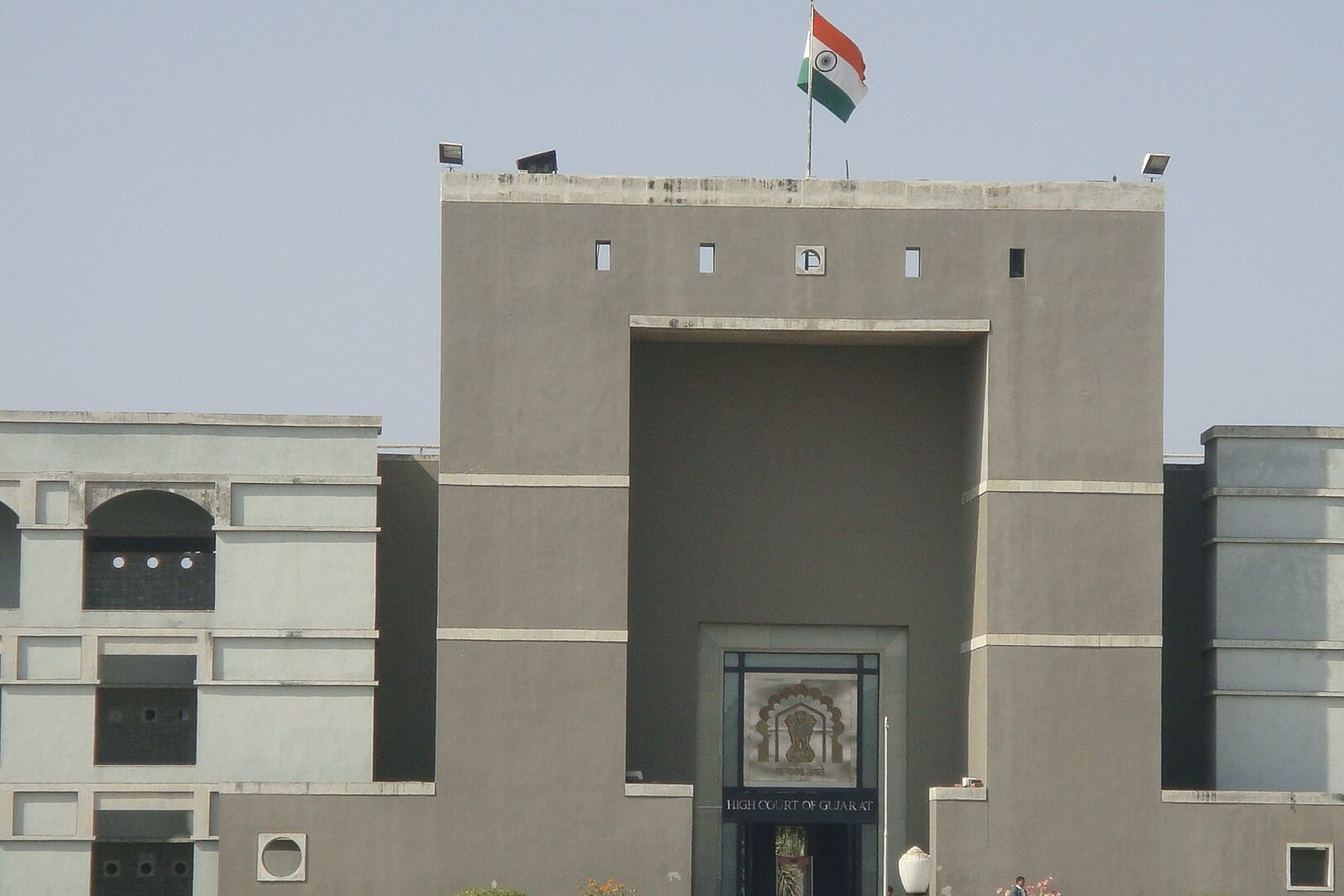
Darshan Solanki, an 18-year-old Dalit first-year student from the western state of Gujarat, died by suicide at IIT Bombay on 12 February 2023. The institute’s inquiry committee, in an interim report, dismissed caste discrimination and pointed to “deteriorating academic performance”. The police investigation recorded more. Its chargesheet, the formal account police file in court, Scroll reported, records that Darshan told his mother fellow students’ behaviour changed once they learned his caste, and that some taunted him about receiving “free education”. The police concluded that his poor marks and a threat from a fellow first-year student were the reasons for his death. That student was arrested for abetment, later released on bail, and in 2023 asked the Bombay High Court to quash the chargesheet, The Quint reported.
“We do not know what pushed him to this end: caste discrimination or unendurable stress. What we know for sure is this is an institutional issue. Let us stop looking at student suicides across campuses as isolated incidents.” APPSC IIT Bombay, statement after Darshan Solanki’s death, February 2023, as reported by Careers360
The institute had been warned before Darshan died. In 2022 its own SC/ST Students’ Cell, a welfare body for Dalit and Adivasi students, ran two surveys. Of 134 students who answered the mental-health survey, 16% showed signs of severe mental-health problems and about 7% serious signs of self-harm; the cell’s report concluded that about a quarter faced severe problems, The Wire reported.
i
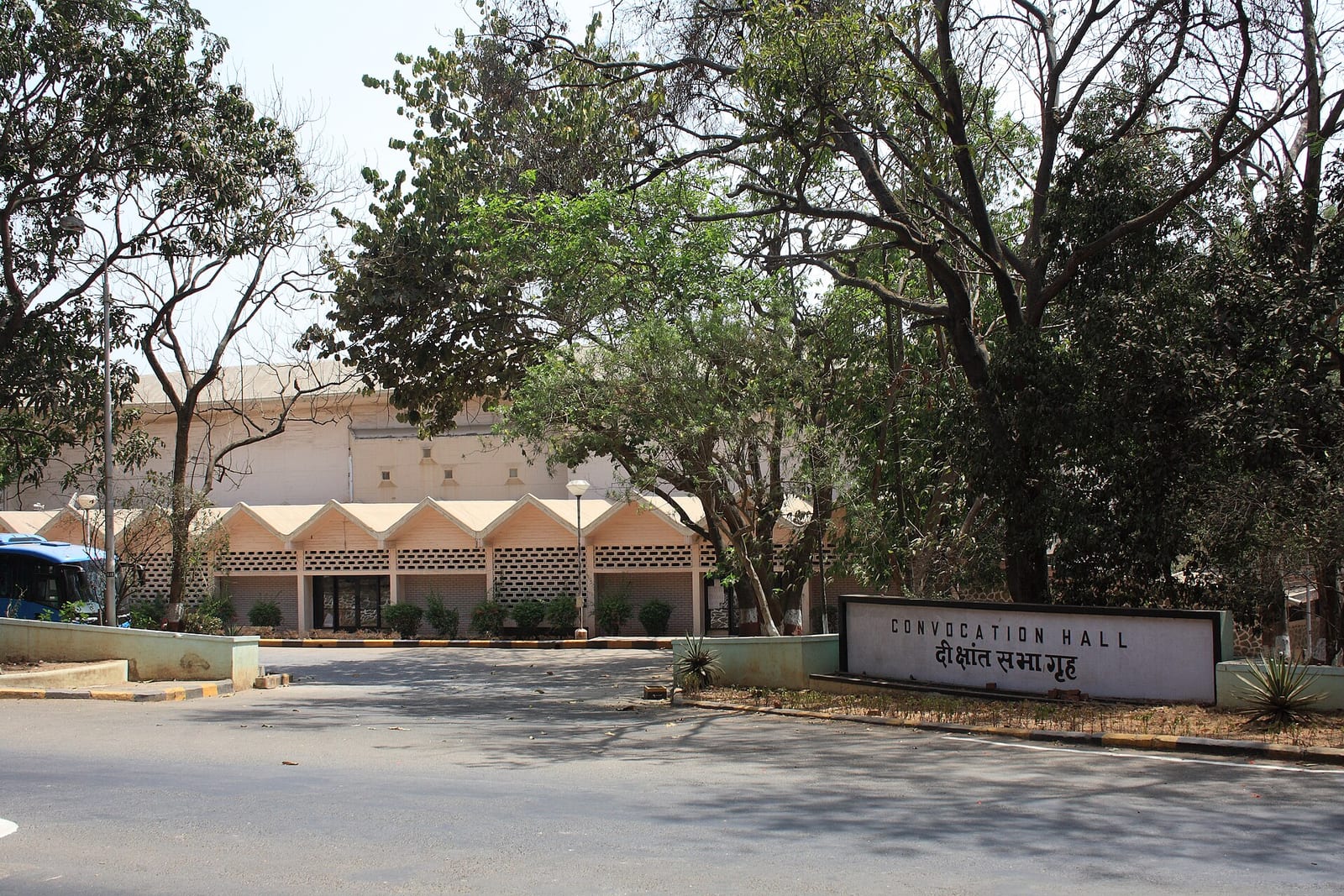
CC BY-SA 3.0Original on Wikimedia CommonsWhat followed was partial. A year after Darshan’s death, The Quint found that IIT Bombay had issued guidelines calling it inappropriate for students to ask one another’s entrance-exam ranks, with severe punishment for violations. In the cell’s February 2022 survey, nearly 37% of the 388 Dalit and Adivasi students who responded said fellow students had asked their rank to work out their caste, The Quint reported. But students were still asking when the committee’s final report would be made public, a promised open meeting had not happened, and a planned caste-awareness course had not appeared. “The SC/ST Cell has again gone into oblivion,” an APPSC member told The Quint. Figures the group obtained under the Right to Information Act, India’s freedom-of-information law, and posted on social media, showed that a 2022 drive to fill 133 faculty vacancies recruited only nine Scheduled Caste candidates, The Quint reported.
Students protesting Sahil’s death are asking for many of the same things. They want the SC/ST Cell rebuilt under national university rules, its reports for the past three years published, and pending SC/ST faculty posts filled, Hindustan Times reports. They also want the institute’s inquiry panel replaced by an external one, alleging that some of its members publicly backed the professor before it had finished.
How the pattern holds
28 of 45 students who died by suicide at India’s 23 IITs between 2020-21 and 2024-25 were from Scheduled Caste, Scheduled Tribe (Adivasi, or Indigenous) or Other Backward Class (OBC) communities, a broad group of historically disadvantaged castes. Source: official data compiled from all 23 IITs for a question in the Lok Sabha, Parliament’s lower house, dated 8 December 2025, as reported by ETV Bharat. The compilation gives no details of the circumstances of the deaths, ETV Bharat notes, so the numbers alone cannot show why these students died.
The mechanism is institutional, not only personal. An elite campus controls three things after a death: the first statement, the inquiry, and the record. At IIT Bombay the institute’s account both times turned on the student: his grades in 2023, an exam in 2026. The 2023 inquiry was the institute’s own, and a year later students were still asking for its final report. The record that would show a pattern, the SC/ST Cell’s reports and surveys, stays inside the institute unless students force it out. Nationally, The Wire notes, the government says it has no information on how many Scheduled Caste and Scheduled Tribe students died by suicide because of social discrimination. Without a duty to record why students die, there is no count to hold anyone to.
The Ambedkar Periyar Phule Study Circle put the institutional side of it plainly:
“Guidelines, rules and at times, specifically customised codes are used to meet the institute’s interests of maintaining a certain reputation, even if it comes at the cost of curbing its students’, faculty and other employees’ freedom of speech.” APPSC IIT Bombay, statement of 23 September 2026, as reported by Deccan Herald
The case for the institute, and why it isn’t enough
The strongest defence of IIT Bombay is that the facts are still being established. The institute says it took no disciplinary action and that staff counselled Sahil. CCTV footage from the exam hall, aired by television channels, is part of the police reconstruction. The family’s account is an allegation until investigators test it, and some faculty members have backed the professor publicly, according to APPSC.
All of that may prove true, and none of it answers the pattern. The pattern does not depend on the outcome of the criminal case either. What the institution did in public is already on the record: it described a dead student’s conduct before the facts had been established, then apologised for doing so. According to APPSC, its director backed the accused. Its 2023 inquiry’s interim report dismissed caste, and a year later students were still asking to see the final one. The warnings in its own 2022 surveys came before either death. Whatever investigators find about one professor, that record stands.
What to watch
- The investigation. Whether the Crime Branch files charges, and what Sahil’s phone shows. His parents, who held a hunger strike at Azad Maidan, a protest ground in south Mumbai, on 24 September, say they will begin an indefinite one there on 28 September.
- The inquiry. Whether IIT Bombay replaces its panel with an external one, as students demand, and whether it publishes the SC/ST Cell’s reports and the 2023 committee’s final findings.
- The national rules. The University Grants Commission (UGC), India’s higher-education regulator, wrote binding anti-discrimination rules in 2026. India’s Supreme Court suspended them in January and reinstated the largely advisory rules of 2012, and the federal government has told the court the new rules are under reconsideration.
Sonali Wakode’s question has an answer the state says it does not have. Until institutions count these deaths, investigate them independently and publish what they find, the next family will be asking it too.
If you or someone you know is struggling, help is available. In India, call Tele-MANAS on 14416. In Australia, call Lifeline on 13 11 14.