Vimal Dharmendra Vaniya was at Bhaktinagar circle in Rajkot, a city in the western state of Gujarat, at about 2pm on 24 September 2026 when three men restrained him and stabbed him several times, The Indian Express reported, citing police. He was 27, and Dalit, from the communities once branded “untouchable” and listed in Indian law as Scheduled Castes. Doctors at Rajkot Civil Hospital declared him dead. “The investigation so far indicates that resentment over the marriage led to the murder,” Assistant Commissioner of Police Bhavesh Jadhav told The Observer Post.
The marriage was not new. Vimal and his wife, whose family belongs to a different caste, had first eloped more than seven years earlier. Taken together, the complaint and the police account suggest not a family’s sudden rage at a wedding but a caste boundary enforced for most of a decade: first, according to the complaint, when her brother took her home and arranged her marriage to another man, then, police suspect, when he and two other men killed the Dalit man she went back to. Outside the SC/ST Act, which police have invoked here, India’s law treats such a killing as an ordinary murder. The Supreme Court asked Parliament for a law eight years ago, and Parliament has not passed one.
What happened
According to the police complaint filed by Vimal’s mother, as The Indian Express reported it, the couple first eloped more than seven years ago. Her family soon traced them and took her back, and her brother arranged for her to be married elsewhere. About a year later she left her parents’ home again and returned to Vimal. They lived in several towns before settling with his mother and stepfather in Rajkot. They had a child together.
On 24 September, the complaint says, a friend of Vimal’s came to the house to say that three men, including her brother, had attacked him. His wife told police that her brother had previously threatened to kill Vimal whenever he saw him, The Observer Post reported.
Police said CCTV footage from the area showed the accused fleeing on a motorcycle after the attack, The Observer Post reported.
Police have registered a case of murder against her brother and two unidentified men, and invoked the Scheduled Castes and Scheduled Tribes (Prevention of Atrocities) Act, India’s 1989 law against caste violence, along with the Gujarat Police Act. As of 26 September 2026, reports did not indicate that anyone had been arrested; police said teams had been formed to trace the three men. Neither her brother’s alleged role nor the motive has been established in court. The reports cited here carry no response from the accused.
“The investigation so far indicates that resentment over the marriage led to the murder,” Assistant Commissioner of Police Bhavesh Jadhav told The Observer Post.
Seven years is the point
Accounts of so-called “honour” killings often read as a family’s explosion at the moment a couple marries. The complaint in Rajkot describes something slower. According to the complaint, her family intervened at the elopement and her brother arranged her marriage to someone else; and, police suspect, he acted again years later, after the couple had set up a home and had a child. If the police are right, the boundary being policed wasn’t a single wedding. It was who a woman from the family may live with, and whether a Dalit man may be part of that family at all.
The official record hardly sees it. The National Crime Records Bureau (NCRB), which compiles India’s crime statistics, only began recording “honour killing” as a motive for murder in 2014, a post on the Vidhi Centre for Legal Policy’s blog notes, and many such murders are filed as ordinary homicide without a motive recorded.
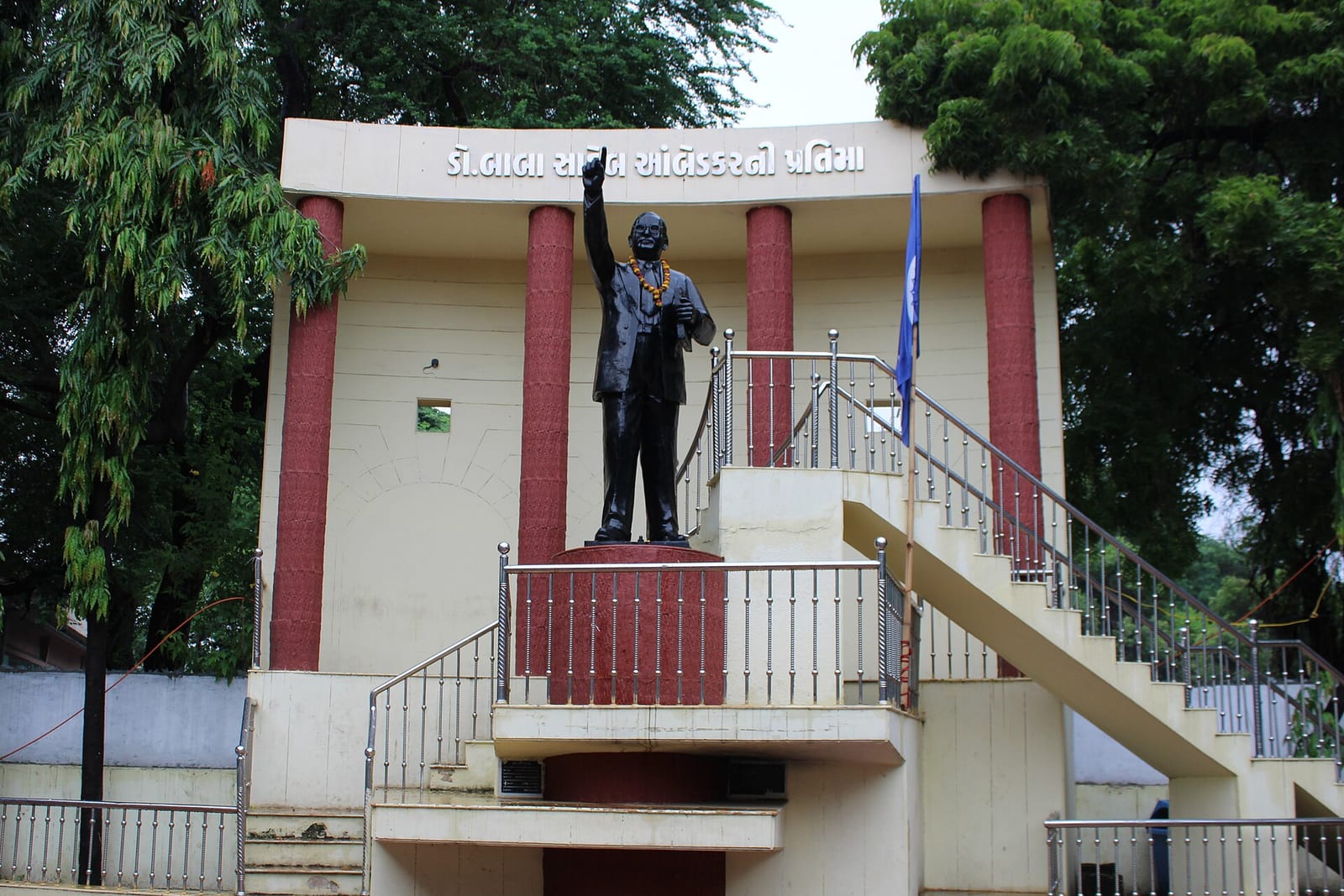
i
CC BY 4.0Original on Wikimedia CommonsAbout 145 so-called “honour” killings were recorded across India in the three years from 2017 to 2019, according to figures from India’s Home Ministry as cited in a post on the blog of Vidhi Centre for Legal Policy. Counts by civil-society groups in the southern state of Tamil Nadu are higher for that state alone: 195 over five years by one group, the Vidhi post says, and 180 over five years by the group Evidence, according to the Centre for Law and Policy Research.
2014 The year India’s National Crime Records Bureau first recorded “honour killing” as a motive for murder. Source: a post on the Vidhi Centre for Legal Policy blog
Caste reproduces itself this way: through control over who marries whom, and so over women’s choices first. B.R. Ambedkar, the Dalit jurist who chaired the drafting of India’s Constitution, argued in 1936 that inter-caste marriage was the only real remedy:
“The real remedy for breaking Caste is inter-marriage. Nothing else will serve as the solvent of Caste.” B.R. Ambedkar, Annihilation of Caste, 1936
Read that way, a killing like this one is not a family quarrel that happened to cross caste lines. It is caste defending itself at the point where Ambedkar said it could be dissolved.
What the law says, and doesn’t
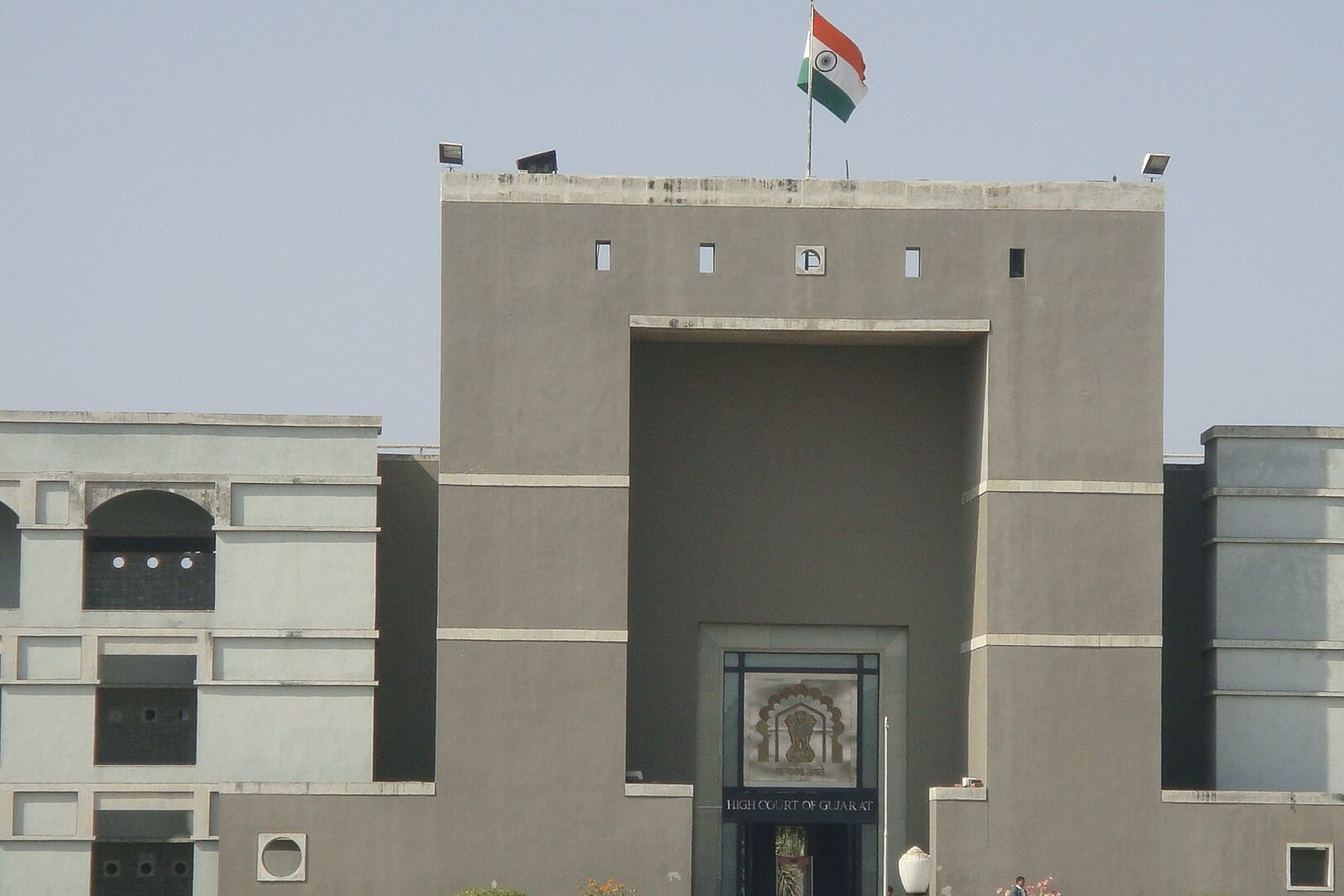
In Shakti Vahini v. Union of India in March 2018, the Supreme Court held that “the choice of an individual is an inextricable part of dignity”, and that no one may interfere when two adults marry. It then told state governments what to do. Identify the districts and villages where killings over relationships opposed by families or communities have been reported in the past five years. Create “Special Cells in every District” to receive complaints of threats to inter-caste couples, each with a 24-hour helpline. Move threatened couples to a safe house, with one considered at each district headquarters. Try the cases in fast-track courts. And it recommended “to the legislature to bring law appositely covering the field of honour killing”.
“The choice of an individual is an inextricable part of dignity.” The Supreme Court of India, Shakti Vahini v. Union of India, 2018
No such national law exists. The Law Commission of India, which advises the government on legal reform, proposed a bill against interference in marriages in its 242nd report in 2012; Parliament never passed it. The legislature of Rajasthan, in north-western India, passed a state version in 2019, which the Centre for Law and Policy Research reported was awaiting the assent of the state’s Governor, the representative of India’s President. The Vidhi post describes Rajasthan as the only state to have passed one.
The case against a new law, and why it isn’t enough
The strongest argument against a special law is the Law Commission’s own: it said there was “no need” to add so-called “honour” killing as a separate offence to the murder law, because existing provisions already cover it and a new clause could cause confusion. In this case, police have also invoked the SC/ST Act, which applies when a Dalit or Adivasi (Indigenous) person is attacked because of caste prejudice. On paper, the law already covers a killing like this one.
But punishment is only one part of what the Supreme Court asked for, and the part that comes last. The law of murder starts working after a man is dead. The 2018 directions were meant to work before: to identify the places where violence over relationships opposed by families or communities recurs, give threatened couples a number to call and a place to go, and make local police “extra cautious” where such violence had happened before. None of that has statutory force, and implementation varies by state. A killing filed as an ordinary murder also disappears into the ordinary statistics, so the pattern never shows. The SC/ST Act helps only when the victim is Dalit or Adivasi; it does nothing for a couple from two castes outside its protection, and it does not name so-called “honour” killing at all.
What to watch
- Arrests. Whether Rajkot police arrest and charge the three men, and whether the SC/ST Act charges are kept when the case reaches court.
- Gujarat’s cells. Whether Gujarat has set up the district Special Cells and helplines the Supreme Court ordered in 2018, and whether the couple could have used one.
- Parliament. Whether any government takes up the Supreme Court’s recommendation and the Law Commission’s draft.
According to his mother’s complaint, Vimal Vaniya’s wife went back to him after her family took her home and her brother arranged her marriage to someone else. The complaint and the police describe a marriage her family opposed from the start. Ambedkar called inter-marriage the solvent of caste. In Rajkot, the Dalit man who crossed that line is dead, and the law that would name why still hasn’t been written.