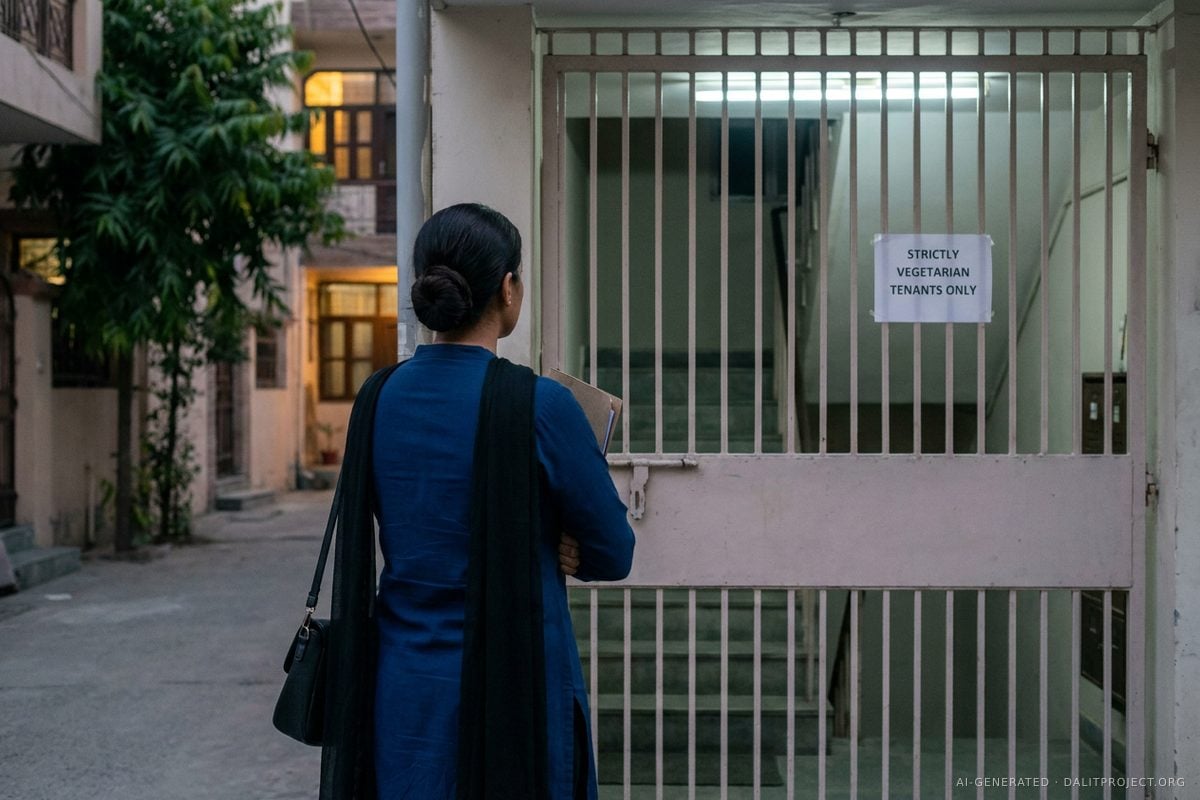
Investors say an IIT degree speeds up the trust start-up money runs on, and scholars trace that degree to caste advantage. Federal programmes for Dalit founders mostly lend.
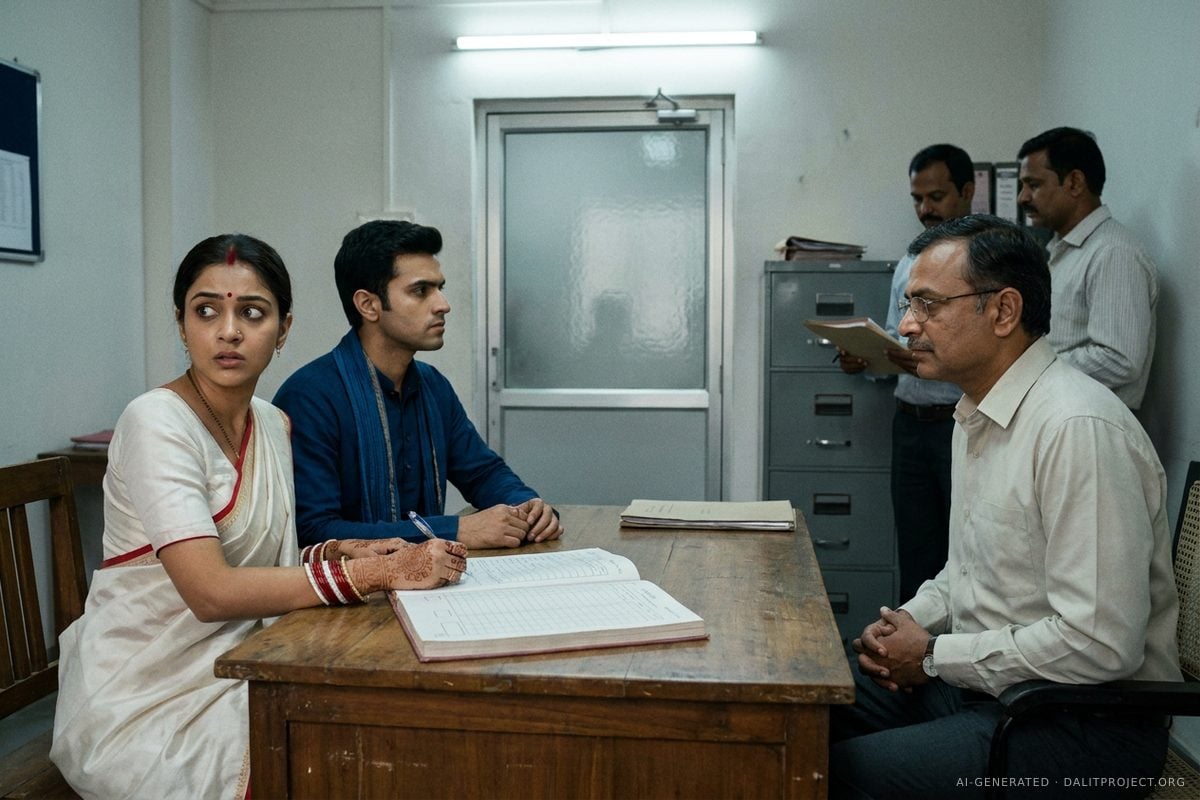
Police suspect Vimal Vaniya's wife's brother and two other men killed him over a marriage her family tried to undo. The Supreme Court asked Parliament for a law in 2018, and there isn't one.
Tests since 2023 find that chatbots and image generators reproduce caste hierarchy. Most are lab tests, not audits of hiring or lending tools in real use in India.
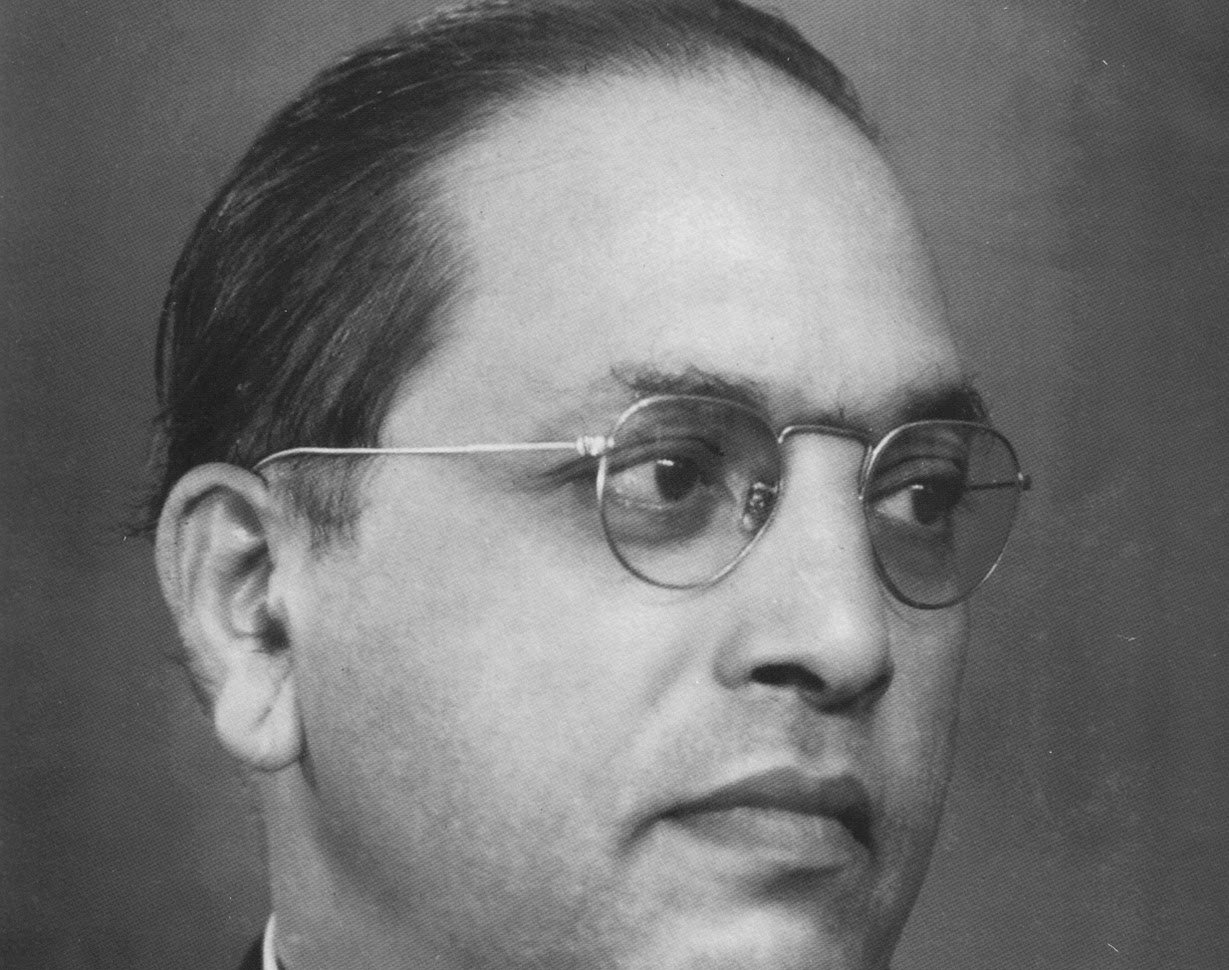
In 1936 B. R. Ambedkar argued that caste divides workers, not just work, and grades them so they cannot unite. Scholars now set that beside the idea of racial capitalism. Where the pairing helps, and where it breaks.
You cannot build anything on the foundations of caste. You cannot build up a nation, you cannot build up a morality. Anything that you will build on the foundations of caste will crack, and will never be a whole.
India abolished untouchability in 1950. Surveys, audits and Dalit testimony show it moved into the rental interview, the hiring shortlist, the marriage market and the kitchen.
You cannot move out of your lower caste. You can obscure it but cannot escape it.
— Yashica Dutt, author of Coming Out as Dalit, speaking to NPR, 2024
48%
of Dalit home-seekers who met landlords in person got a positive answer, against 97% of dominant-caste Hindu home-seekers with matched profiles, in a 2012 in-person audit of 66 matched home-seekers per group in five cities of the Delhi region.
A common claim in anti-caste writing is that in India you cannot read power from bank accounts alone, because caste is the axis around which power, resources, violence and dignity turn. Ambedkar argued much of this against India's Socialists in 1936. He also argued that the main source of power changes from one stage of society to another, and Dalit women have argued that caste is never the only axis.
A common way to explain caste is that, unlike class, it cannot be bought into or fallen out of, because birth and marriage within the group seal it shut. Ambedkar said much the same in 1916. He also showed the ways out that exist, and why each one tends to lead into another enclosure.
An idea often heard in anti-caste writing is that caste governs itself, like a sovereign, whatever the state's laws say. B. R. Ambedkar's own words and two Supreme Court judgments support much of it. They also show where it breaks: caste has long leaned on kings and officials, and it rules as many rival powers, not one.
In 1936 B. R. Ambedkar argued that caste divides workers, not just work, and grades them so they cannot unite. Scholars now set that beside the idea of racial capitalism. Where the pairing helps, and where it breaks.
In 1930 and 1945, Ambedkar warned that independence could hand power to a governing class. The records show where his test still bites and where the Constitution changed the answer.
Dalit leaders, from the communities once branded "untouchable", have sought common cause with Black movements since 1946. Solidarity spoken for all South Asians keeps leaving out caste.
India's Scheduled Caste lists are set by presidential order and changed by amending Acts. The Orders and Acts show how the state built the record, and which Dalits it excluded from it.
India's Supreme Court upheld the quashing of a Tamil Nadu order for converts to Islam. Its reasons reach Dalits who convert to any religion it places outside the Hindu social order.
Two caste-abuse offences apply only "within public view". In one week, three High Courts applied those words to a home and three kinds of screen, and none settled the rule online.
Dalits joined India's churches, often as whole communities, to leave caste behind. How caste followed them in, how they fought back, and why the state says it ended at baptism.
Citing the Prime Minister's Office, India's Education Ministry asked universities for comments and enrolment on 35 readings, most by Ambedkarite scholars. Academics say pressure needs no order.
India's 1955 law against untouchability is still on the books, but in 2024 police registered just 13 cases under it for Dalits and courts convicted in none. How it compares with the Atrocities Act.
An anonymous post listed 35 readings, mostly by Ambedkarite scholars, and the Education Ministry asked universities to answer it. They trace 150 years of argument that caste is power.
Tests since 2023 find that chatbots and image generators reproduce caste hierarchy. Most are lab tests, not audits of hiring or lending tools in real use in India.
Students at a government college in Tamil Nadu questioned, on camera, a youth body's caste column that India's model donor questionnaire lacks. No reported explanation says what it was for.
India abolished untouchability in 1950. Surveys, audits and Dalit testimony show it moved into the rental interview, the hiring shortlist, the marriage market and the kitchen.
Tamil Nadu's SC/ST Commission has given Collectors a month to strip caste names from streets and settlements. For Dalits whose address told strangers their caste, the name is the point.
For 111 days, viewers in India could not see Tarluvada's Dalit residents describe losing land to Google's data centre. The order came from the state police, and no one has explained it.
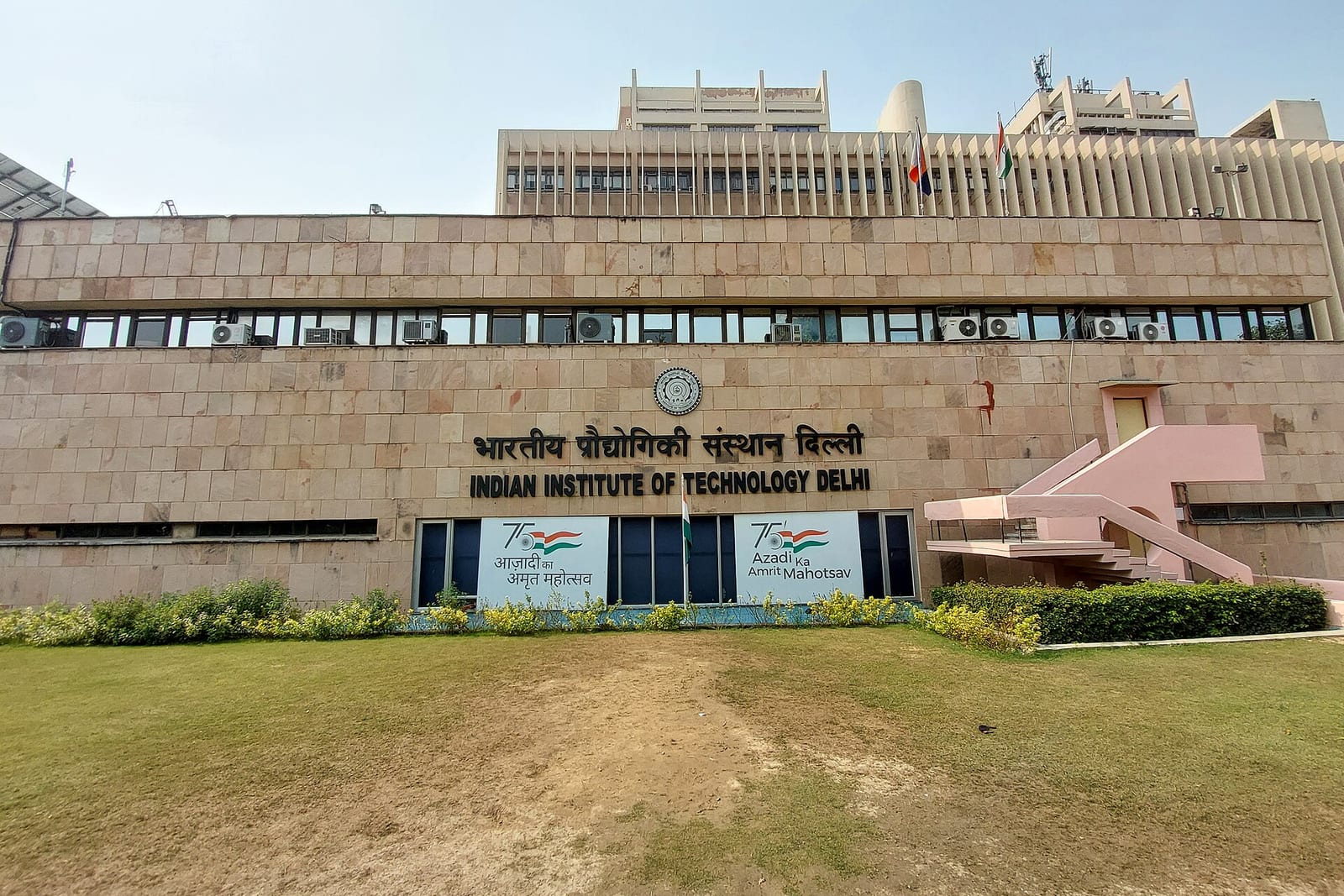
Investors say an IIT degree speeds up the trust start-up money runs on, and scholars trace that degree to caste advantage. Federal programmes for Dalit founders mostly lend.
The Supreme Court froze the campus rules Rohith Vemula's mother fought for, over whether caste discrimination runs one way. Ambedkar explained in 1936 why rules alone keep losing.
A paper at this year's FAccT conference argues that auditing AI image models for caste bias one category at a time misses how caste works: as a ranking between groups.
Seattle and Fresno name caste in their civil rights codes. No state does. Where the protections stand in 2026, what the courts have said, and where California's case against Cisco has got to.
The Dalit Panthers' little magazines survived on their own people's shelves. Shrujana Niranjani Shridhar is scanning and translating them, arguments and art alike.
Ambedkar compared caste to race in a 1946 letter to W.E.B. Du Bois, decades before Isabel Wilkerson's Caste. Court data show where the comparison holds, and where it breaks.
In a 1916 Columbia seminar paper, a 25-year-old Ambedkar named endogamy as caste's essence. A century of theory has mostly elaborated it, and matrimonial sites still run on it.