Listen to this article
Read by an AI-generated voice · Report a mispronunciation
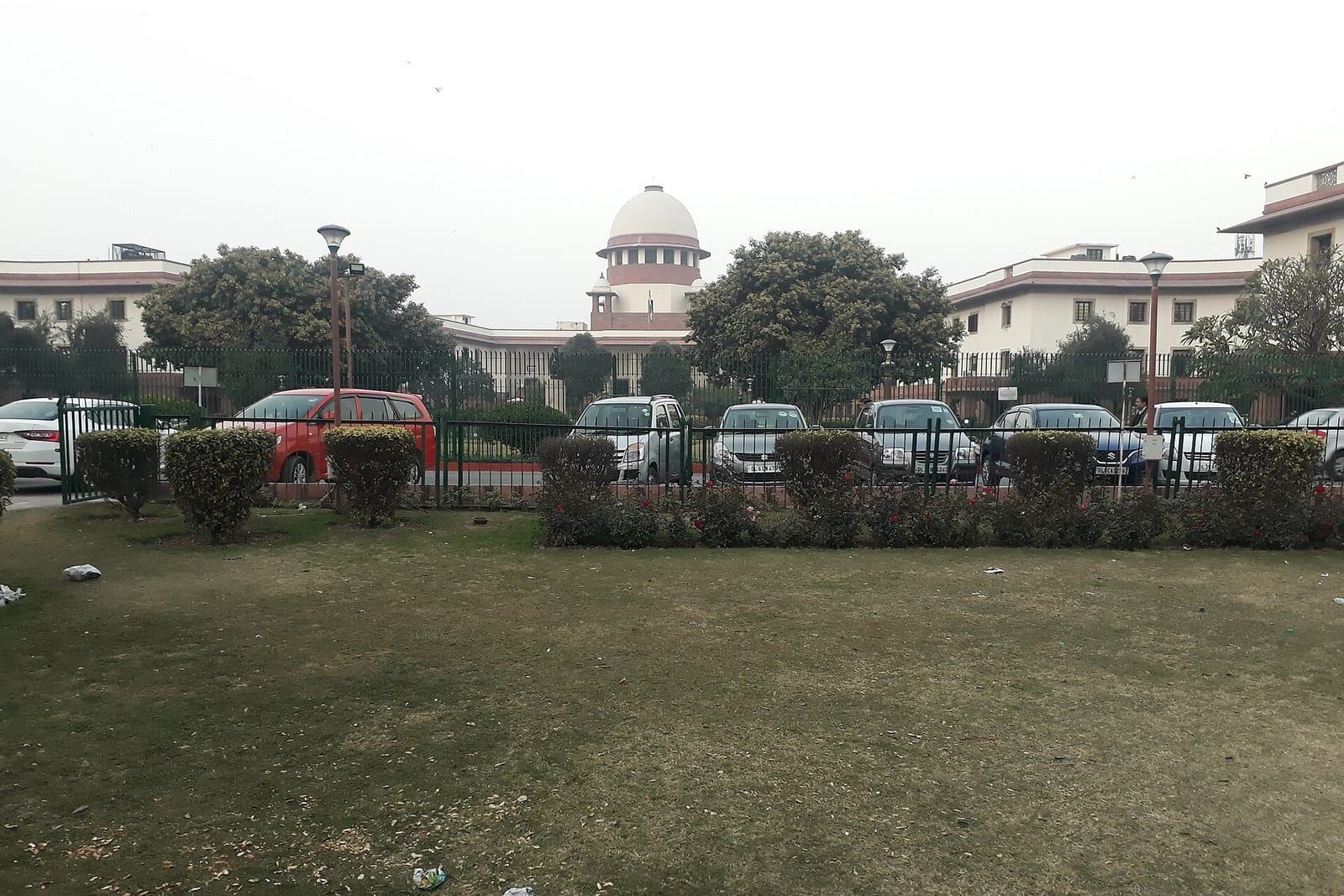
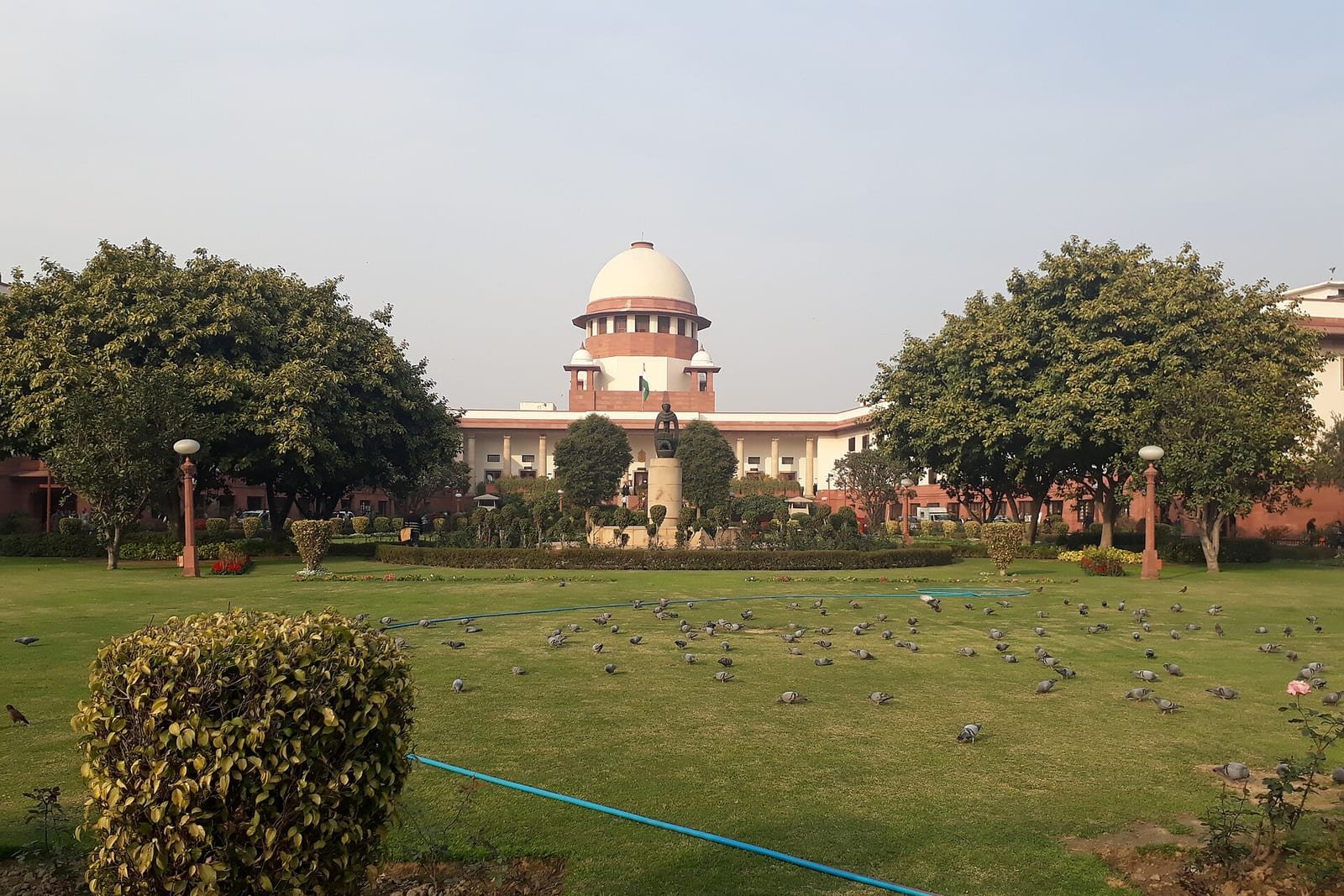
On 28 October, India’s Supreme Court declined to order a list of castes into the census. The OBC Federation of India had asked for the officially recognised Other Backward Classes (OBCs), India’s large band of intermediate castes with their own quotas, to be loaded as a drop-down menu against question 10 of Census 2027, the caste question. The Court said the matter “essentially pertains to a policy decision, which can be effectively addressed by the policy makers”, and sent the petition to the census office as a representation.
Dalits on the Scheduled Caste list, the communities once branded “untouchable”, already have what the OBCs asked for. The census uses a drop-down menu to record notified Scheduled Caste and Scheduled Tribe (Adivasi, or Indigenous) communities, The Indian Express reported. Everyone else writes a caste on a blank line. The fight over that line is about whether India’s first caste count since independence produces numbers anyone can use, and the same government that chose the blank line told the same Court in 2021 that the last blank line produced none.
What happened
The federation came to the Supreme Court directly, under Article 32 of the Constitution, the right to seek the Court’s protection of fundamental rights. Its petition, OBC Federation of India v. Union of India, was heard by Chief Justice Surya Kant, Justice Joymalya Bagchi and Justice V. Mohana.
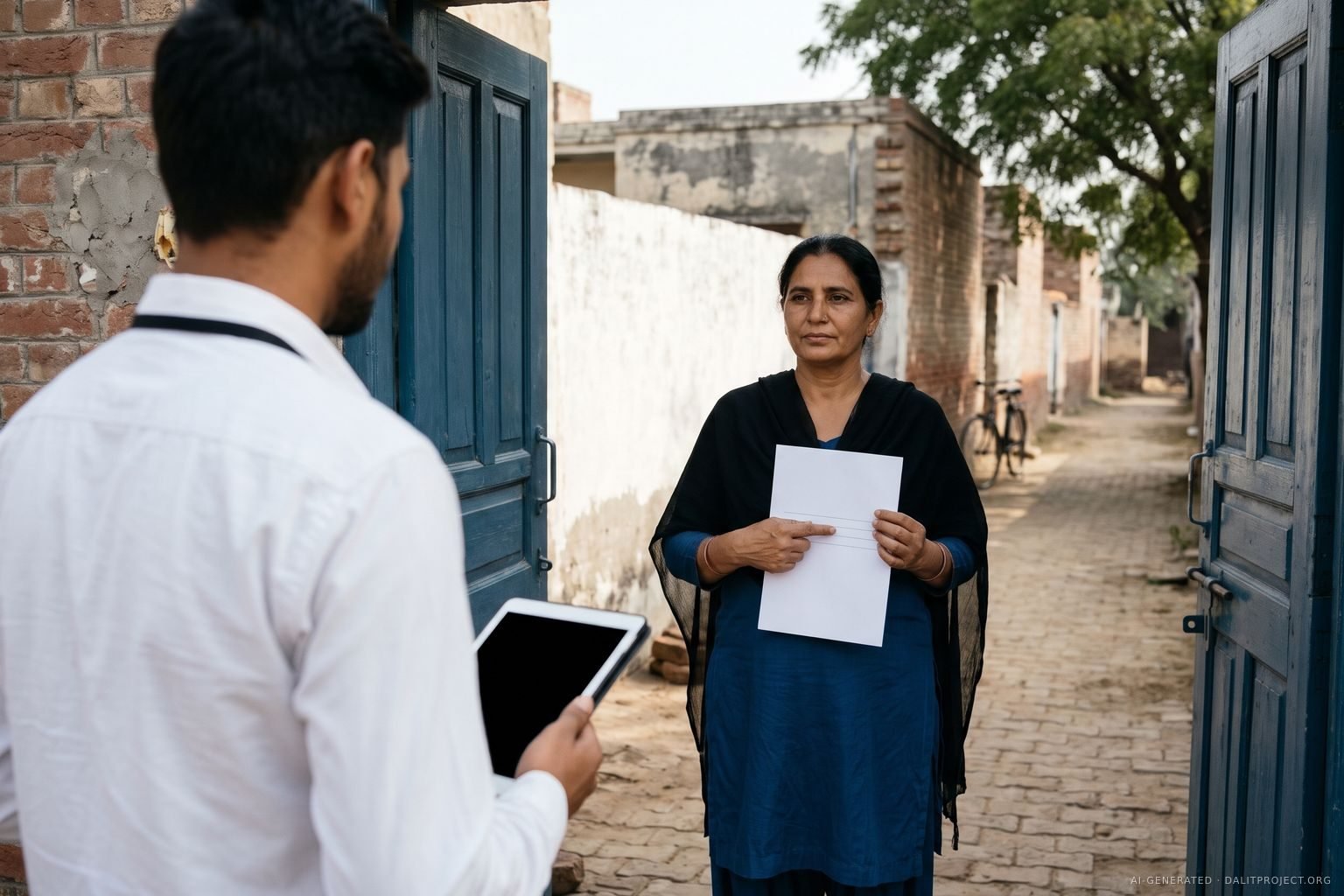
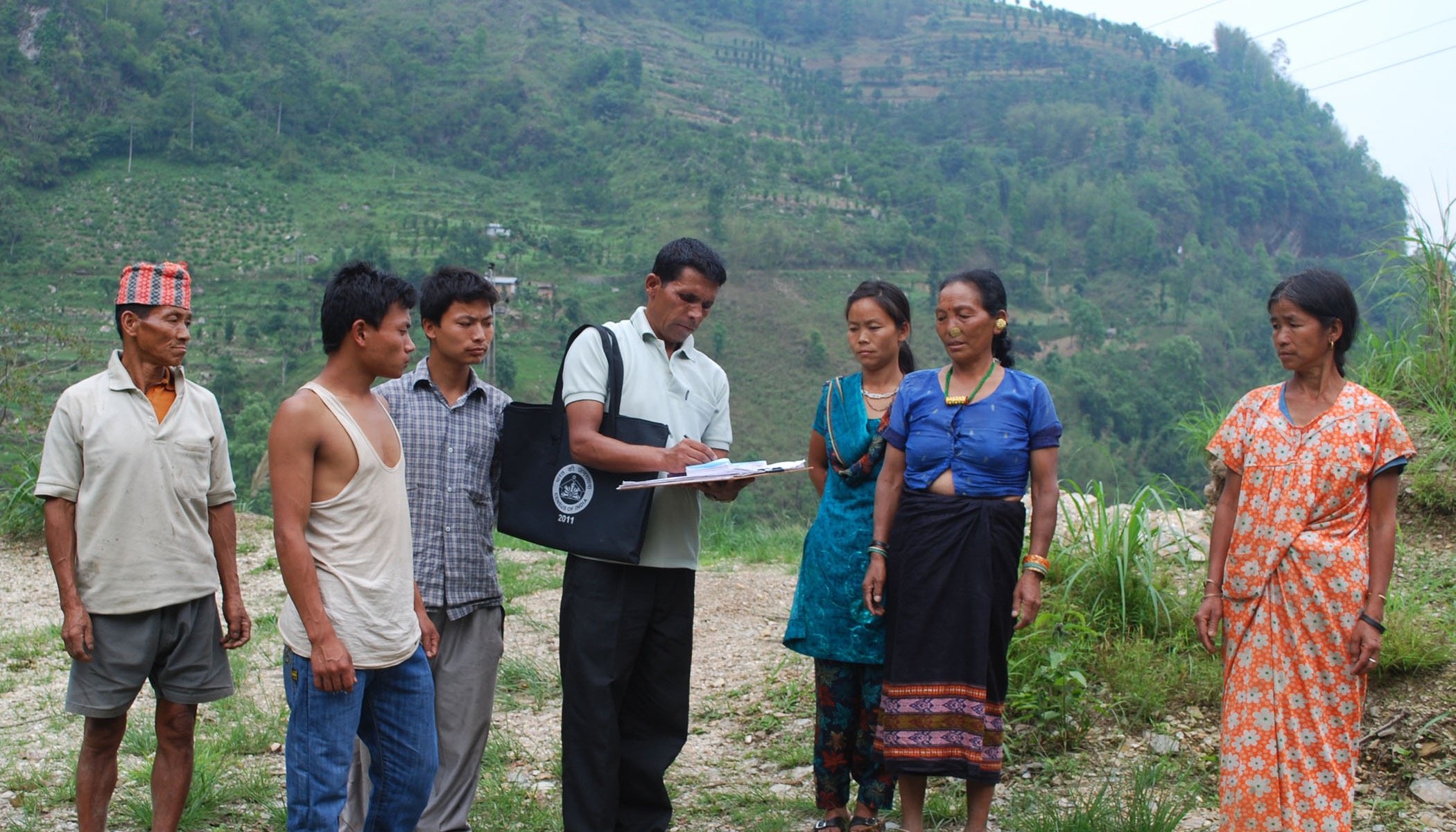
Question 10 of the household schedule, notified on 14 August, reads “Scheduled Caste (SC)/ Scheduled Tribe (ST)/Caste”. Apart from the Scheduled Castes and Scheduled Tribes, the petition said, “there is an open text field and each person has to describe their caste in their own words”. The federation’s counsel argued that an open field would repeat the failure of the 2011 Socio Economic and Caste Census (SECC), and pointed to Article 342A of the Constitution, which deals with identifying the socially and educationally backward classes (SEBCs). “There are three lists — Scheduled Castes (SCs), Scheduled Tribes (STs), and the SEBCs,” the counsel told the bench, The Hindu reported.
Justice Bagchi was not persuaded. “Decisions on a granular level of Census operation will be done as a part of policy making… There is nothing constitutional about it… The Census does not address constitutional classification,” he observed orally. The bench disposed of the petition “without expressing any opinion on merits”, with liberty to approach the Registrar General and Census Commissioner of India, who runs the census.
Why it matters
The census office has already answered the question the Court passed to it. The Registrar General of India decided on an “open-ended question on caste” after considering a drop-down, The Indian Express reported, citing sources in the Ministry of Home Affairs. “It has been finally decided that no dropdown menu or any other means will be used for caste enumeration,” a senior ministry official told the paper. A central minister said: “Yes, it is true that an open-ended question will likely produce 2011-like results. But what can we do?”
Those 2011 results are on the record, in the government’s own words. In a September 2021 affidavit to the Supreme Court, the Ministry of Social Justice and Empowerment said there had been no registry of castes before the 2011 count, and that “it would have been ideal for the Registry of Castes that there should have been given a drop down menu for selection of the castes”. The count produced more than 4.6 million caste names nationally, the affidavit said, as Telangana Today reported it. The government concluded that there was “no reliable or dependable castes-based census data available which can be the basis of any constitutional or statutory exercise like reservations”, India’s quotas in admissions, jobs and elected bodies.
Why won’t the Court decide it?
The Court has held this line before, and the government has relied on it. In the same 2021 affidavit, the central government cited the Supreme Court’s 2014 judgment setting aside a direction of the Madras High Court, the high court of the southern state of Tamil Nadu, to conduct a caste-wise census, which said “it is not within the domain of the Court to legislate”. The 28 October order does not cite that judgment, but it ends in the same place: it calls the design of question 10 “a policy decision” for “the policy makers”.
What is the government’s case for a blank line?
That a list would make the state the judge of caste. “Census is not a verification exercise, only a recording exercise,” the ministry official told The Indian Express. “If a Brahmin claims he is a Yadav, the enumerator is not going to ask for his caste certificate. Creating a dropdown menu thus will create a situation of state participation in unreliable data.” The Indian Express added that the decision addresses a concern of the Rashtriya Swayamsevak Sangh (RSS), the Hindu nationalist organisation, and sections of the wider Hindu nationalist movement, that relying on the official caste lists could further entrench what they see as a caste architecture institutionalised under British rule.
The case has a hole in it. The state already judges caste in this census: it picks the Dalits on the Scheduled Caste list, and Adivasis (Indigenous communities), from its own lists. Only the castes outside those lists are left to describe themselves, and that includes the dominant castes. There is no comparable list of caste names for the Bania, Brahmin and other dominant castes, Sumit Baudh wrote in Scroll, and in his reading it was their multiplying spellings that sank the 2011 count. And the sorting still happens. It just happens later, out of view: officials told The Hindu that a decision is yet to be taken on how the open-column answers will be sorted and tabulated. Once the census office has a proposal, the file goes to the Home Secretary, the senior civil servant in the Home Ministry, and the final decision is taken by the ministry or the cabinet.
“We need to know the numbers of the beneficiaries of the caste system as well. Without this, the SC, ST census is akin to counting the protected species in a jungle.”
— Suraj Yengde, Dalit scholari
Source: in The Indian Express, September 2021
Which Dalits does the list leave out?
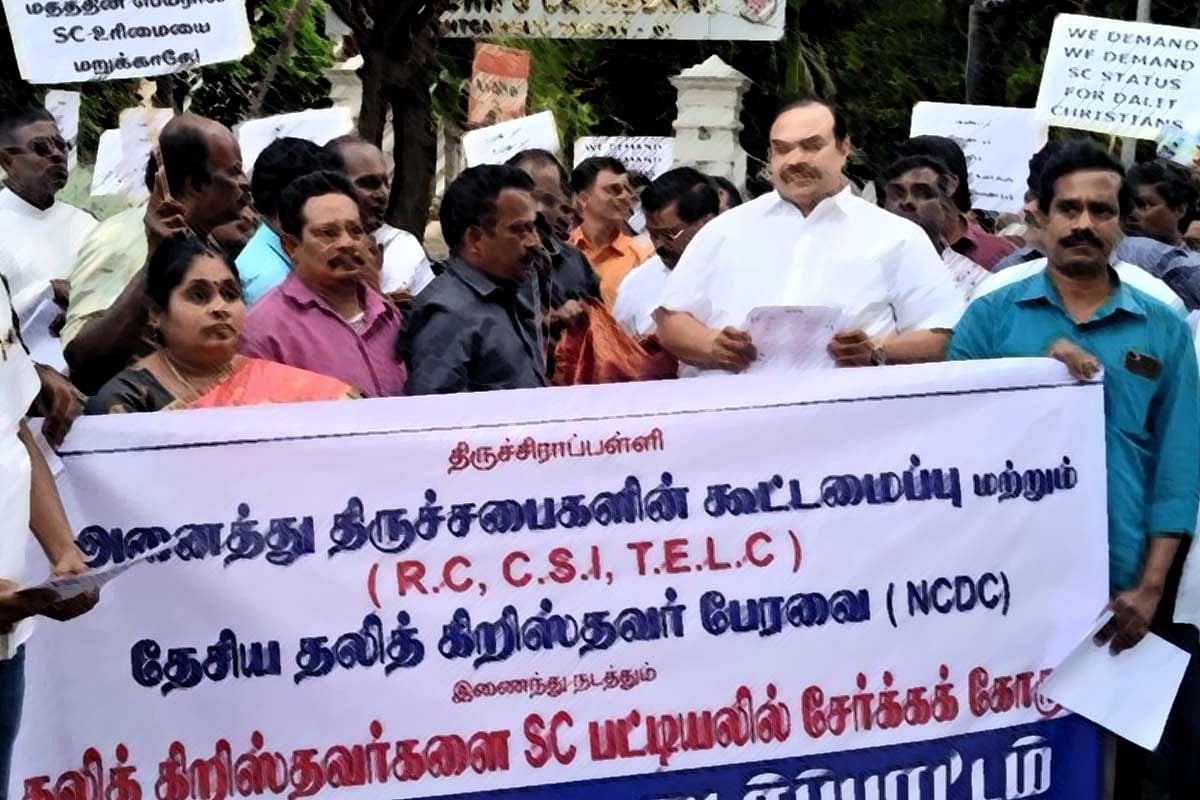
The Scheduled Caste list is restricted to Hindus, Sikhs and Buddhists, Christianity Today reported, which leaves out Dalit Christians and Dalit Muslims, on the assumption that caste does not exist in Christianity or Islam. Many Dalit Christians have answered by remaining Hindu on paper and practising their faith in private. (Why caste followed Dalits into the church.) “Dalit Christians should be allowed to record both their identities,” said Asir Ebenezer, general secretary of the National Council of Churches in India.
Is there a middle way?
Baudh argued in Scroll for one: a coded list of caste names, built the way the OBC list already was, with an open field kept for the rare answer that matches no entry, and expert coding of those answers before publication. The governments of the states of Bihar, in the east, and Telangana, in the south, used a list of castes in their own caste surveys, The Hindu reported. Tamil Nadu’s state assembly has asked for its Backward Classes to be taken only from the official lists, “in the same manner as followed for the Scheduled Castes and Scheduled Tribes”.
Key terms
- Scheduled Castes (SC): Dalit communities, among those once branded “untouchable”, listed under the Constitution for reserved seats, jobs and college places.
- Registrar General and Census Commissioner of India: the official who runs the census for the Ministry of Home Affairs.
- Socio Economic and Caste Census (SECC) 2011: a household survey that also let people write in their caste; its caste data was never released.
What’s next
On 12 November the All India Caste Census Coordination Committee, a coalition of OBC associations and civil-society groups, called a protest at New Delhi’s Ramlila Maidan on 28 November, demanding a drop-down menu and unique codes for all castes: Scheduled Caste, Scheduled Tribe, OBC and General, the unreserved category. Caste is counted in the census’s second phase. In Uttar Pradesh, Punjab, Goa and parts of Uttarakhand, states with elections early next year, population enumeration runs from 1 December 2026 to 4 January 2027 under the Registrar General’s notification. The phase reaches the rest of the country in February 2027. Whatever the protest wins, the question the Court passed on stays open: who sorts the blank line, by what rule, and whether that rule is published before the tables are.