Listen to this article
Read by an AI-generated voice · Report a mispronunciation
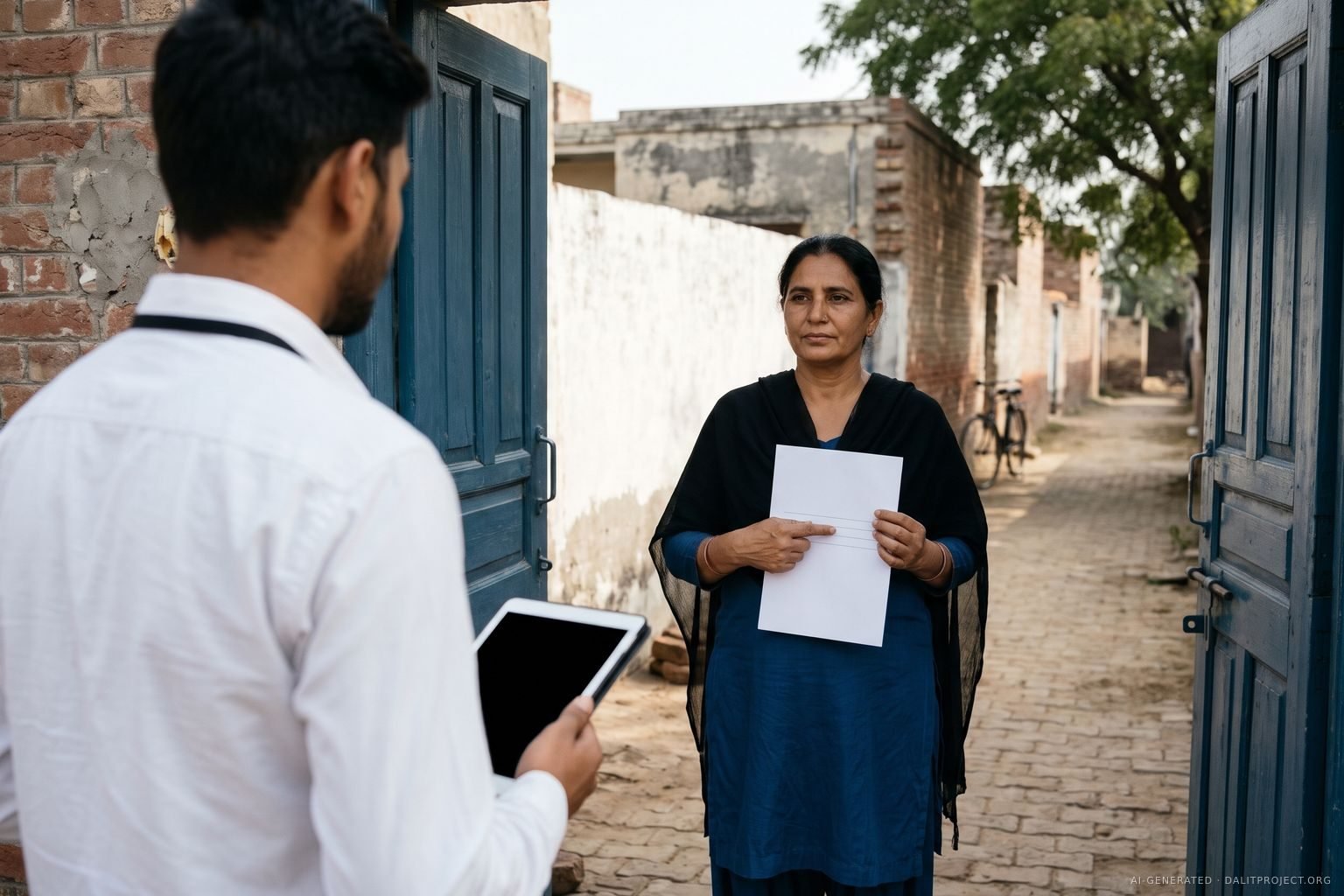
Census 2027 asks households across India for a caste, a first for independent India. Four states meet it now; most of the country, in the new year. From 16 to 30 November, households in Uttar Pradesh and Punjab in the north, Goa on the west coast and the parts of the Himalayan state of Uttarakhand not cut off by snow can fill in the census form online, and enumerators go door to door from 1 December to 4 January.
The question works in two ways. Most Dalits, the communities once branded “untouchable”, are recorded against a list, as are Adivasi (Indigenous) communities against theirs. Everyone else writes a caste in their own words, and the enumerator records it as declared. That blank line is where the dominant castes and the Other Backward Classes (OBCs), India’s large band of intermediate castes with their own quotas, will be counted. Who turns the answers into tables is still open.
What happened
On 14 August the Ministry of Home Affairs in India’s central government notified the 40 questions of the census household schedule. Question 10 reads: “Scheduled Caste (SC)/ Scheduled Tribe (ST)/Caste”. The central government then decided to record caste in an open column for everyone apart from Scheduled Castes and Scheduled Tribes, The Hindu reported. In the July trial of that method, Scheduled Castes, the constitutional list of Dalit communities, and Scheduled Tribes, the list of Adivasi communities, kept their existing community codes.
In Ladakh, a Himalayan territory, and the snow-bound areas of the Jammu and Kashmir territory, the count ran through September, and Ladakh became the first region in the country to finish, the chief census officer for Jammu and Kashmir and Ladakh said on 6 October.
On 5 September the Registrar General of India, who runs the census, moved four states forward. Goa, Uttar Pradesh, Punjab and non-snow-bound Uttarakhand are counted from 1 December 2026 to 4 January 2027, with a revision round to 9 January, and their count describes the population at midnight on 5 January 2027. These are the states going to assembly elections early next year, The Tribune reported. On 30 October a further notification set the dates for most of the rest of India: online self-enumeration from 10 to 24 January, enumerators at the door from 25 January to 28 February 2027, and a reference date of midnight on 1 March. Manipur, in the north-east, is left out “till further declaration”.
Why it matters
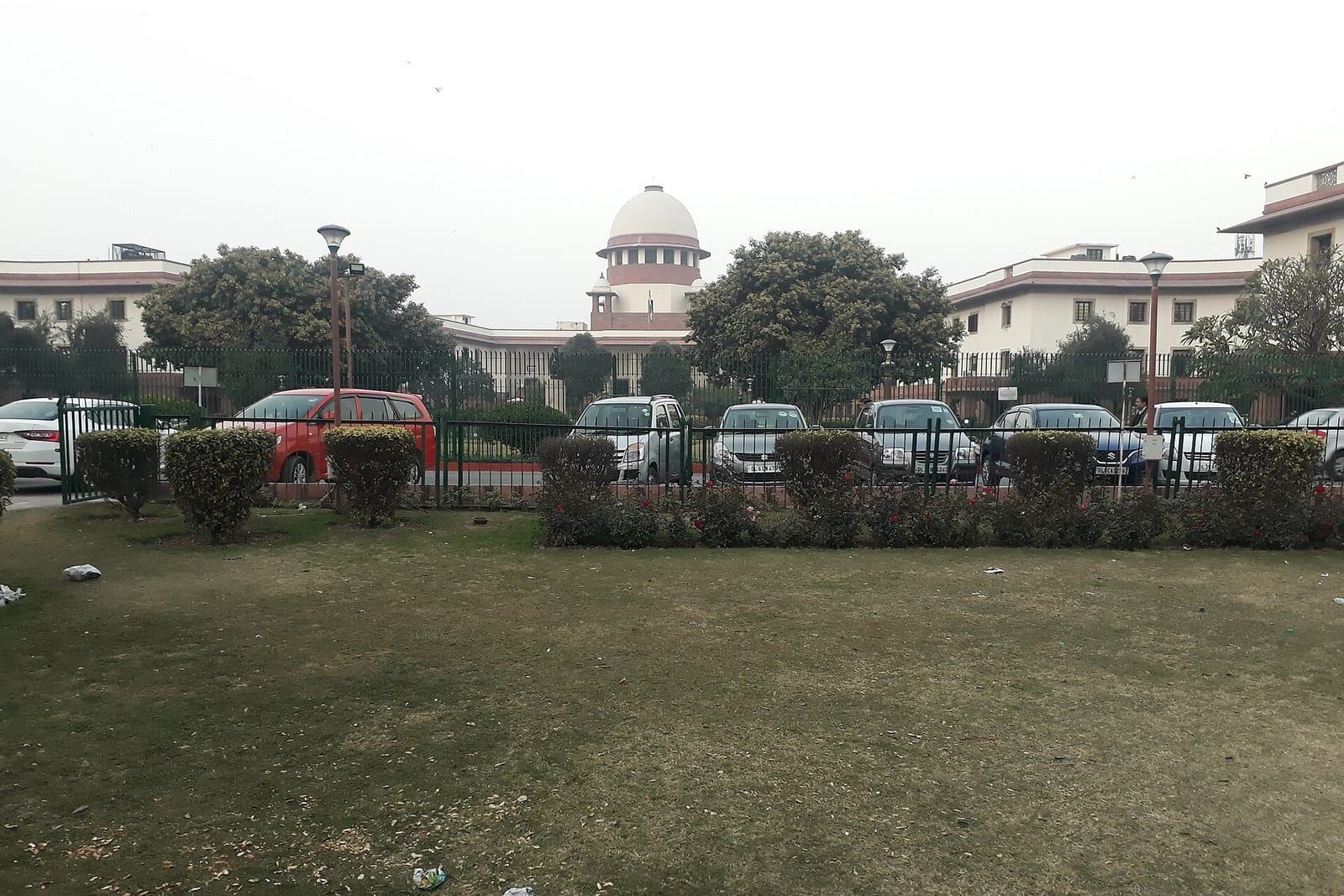
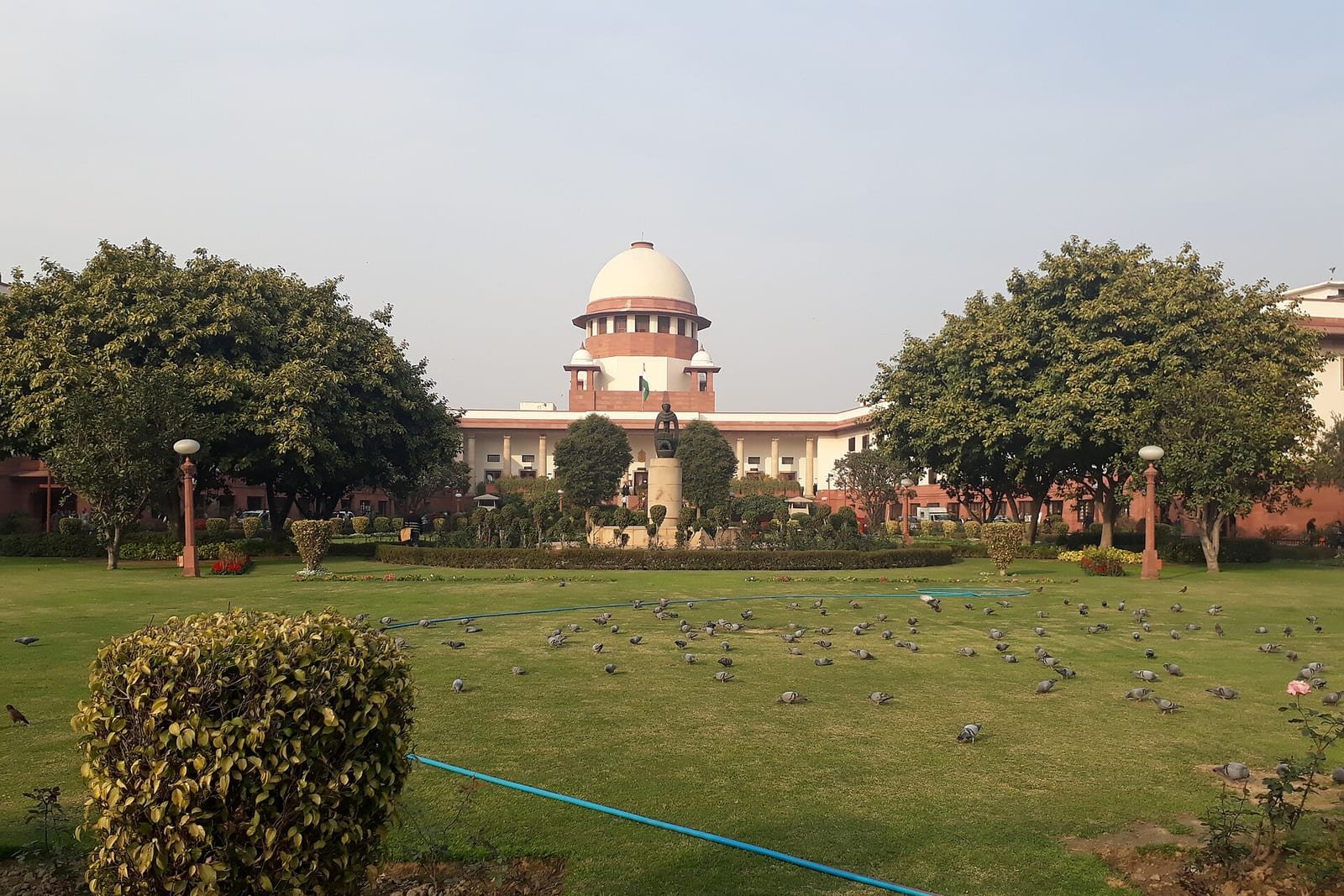
Until now, the census counted castes only within the Scheduled Castes and Scheduled Tribes. The open field was used in the Socio Economic and Caste Census (SECC) of 2011. In a 2021 affidavit to India’s Supreme Court, the central government said that count had produced more than 4.6 million different caste names. One community in the southern state of Kerala was spelt 40 ways by different enumerators. The government concluded that “there is no reliable or dependable castes-based census data available which can be the basis of any constitutional or statutory exercise like reservations”, India’s system of quotas in public jobs, education and elected bodies.
More than 4.6 million. Different caste names recorded by the 2011 Socio Economic and Caste Census, which also let people write in their caste. In the western state of Maharashtra alone, 428,677 names were recorded against 494 entries on the state’s official lists. Source: central government affidavit to the Supreme Court, 2021, reported by Telangana Today
The first big test of question 10 now falls on two states with large Dalit populations. Uttar Pradesh had 41,357,608 Scheduled Caste people in 2011, more than any other state, according to Census 2011 figures compiled by the Foundation for Research in Health Systems (FRHS India). In Punjab, Dalits are around 32 per cent of the population, Outlook reported.
Does question 10 change how Dalits on the list are counted?
Not much. Dalits on the Scheduled Caste list are recorded against it, as before. Official sources told India Today in June 2025, before the schedule was notified, that there would be no check on what people declare, and that quotas would still go by official caste certificates.
Which Dalits does the list leave out?
i
Public domainOriginal on Wikimedia CommonsUnder Indian law, Scheduled Caste status is restricted to Hindus, Sikhs and Buddhists. Dalit Christians and Dalit Muslims are left out of it. India Today’s sources also said every person would give a caste along with their religion, Muslims and Christians included. For them, that means the blank line, with everyone else.
Over generations, many Christians from Dalit families have stayed Hindu on paper to keep Scheduled Caste status, Christianity Today reported in April. “Dalit Christians should be allowed to record both their identities,” Asir Ebenezer, general secretary of the National Council of Churches in India, told Christianity Today. “Denying that choice amounts to discrimination.” (Why caste followed Dalits into the church.)
What do Punjab’s Ravidassias want from the census?
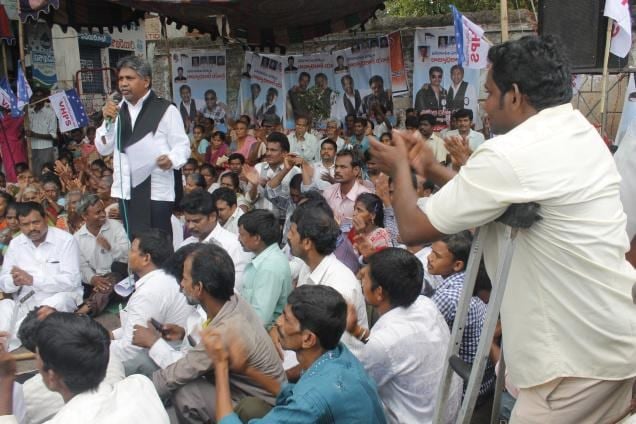
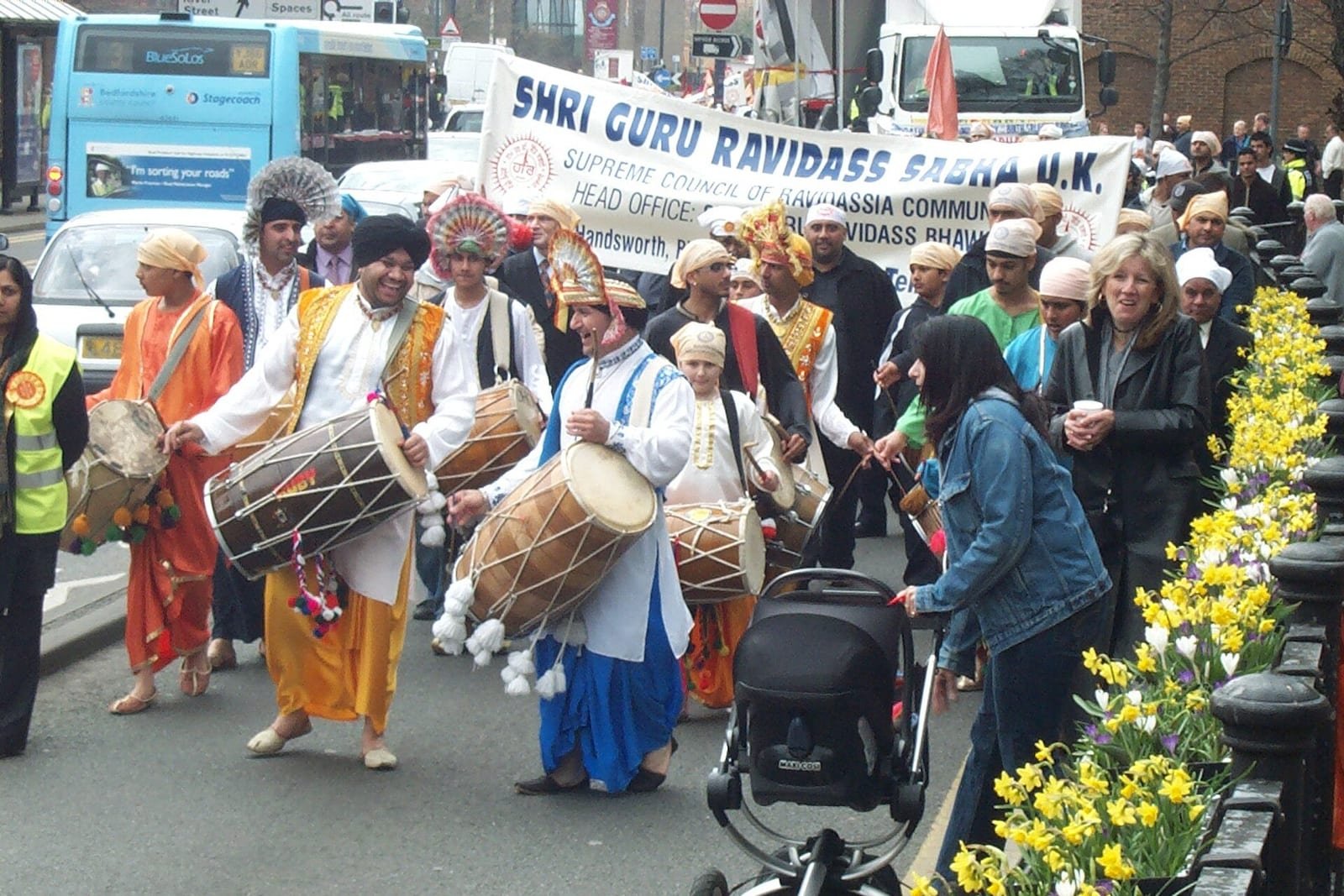
Punjab’s households meet question 10 from 16 November, and some of them want another question changed too. On 12 July, thousands gathered in Phagwara, Punjab, to demand a separate “Ravidassia religion” category in Census 2027. They sent a letter to India’s President, Prime Minister and Home Minister. The Ravidassias, a predominantly Dalit community, follow the poet-saint Guru Ravidas. The census has no option for them now: in 2011 their numbers were grouped with the Ad Dharmi community’s, together about 3.1 million people, over 11 per cent of Punjab’s population, Outlook reported. The Tribune’s columnist set the gathering beside the Ad-Dharm movement that the anti-colonial Ghadar revolutionary Babu Mangoo Ram led in the same region in the 1920s.
Why do OBC groups and two states want a list?
Because the blank line is how the OBCs will be counted, and they fear a repeat of 2011. The assembly of Tamil Nadu, in the south, resolved on 8 September that the open-column method be dropped for its Backward Classes and their castes be taken only from the official lists; the minister who moved it suggested a drop-down menu. Telangana’s assembly, also in the south, asked for question 10 to name the OBCs alongside the Scheduled Castes and Scheduled Tribes.
On 12 November the All India Caste Census Coordination Committee, a coalition of OBC associations and civil-society groups, called a protest at New Delhi’s Ramlila Maidan, a public ground, on 28 November, demanding a drop-down menu and a unique code for every caste: Scheduled Caste, Scheduled Tribe, OBC and General, the unreserved category. Yogendra Yadav, the political analyst and national convener of the Bharat Jodo Abhiyan, a civil-society campaign, said the change was urgent because the count in the poll-bound states had been brought forward. “Even during the Socio Economic Caste Census (SECC) which was conducted in 2011, 47 lakh castes were recorded but nothing happened after that on the data,” he told reporters. Forty-seven lakh is 4.7 million.
Sumit Baudh, a legal scholar who has written of coming out as Dalit, argued in Scroll that neither design works on its own. A closed form puts the OBCs and the dominant castes in one box marked “Other”; an open one “guarantees a flood of self-reported variants” that the government itself has said it cannot rely on.
What is a caste count for?
The economist Sukhadeo Thorat grew up in the Mahar Dalit community of Maharashtra and once chaired the University Grants Commission, India’s higher-education regulator. The census should help shape policy for each group, not only divide reservations, he told The Hindu, The Mooknayak reported in May 2025.
“Every caste except Brahmins faces discrimination, so demands for reservation are natural. However, all castes are not equal in their situation.”
— Sukhadeo Thorat, economisti
Source: The Hindu, reported by The Mooknayak, May 2025
The scholar Anand Teltumbde has warned against expecting too much of the count itself. “A census produces data. Data by itself does not produce equality,” he told Countercurrents in an interview in December 2025.
Who sorts the answers?
Official sources told India Today in June 2025 that caste names would be recorded but not classified into reserved and non-reserved categories within the census. A column in The Indian Express in July called for an expert committee to settle the coding. Census results are scheduled for after the whole exercise ends, in March–April 2027, Greater Kashmir reported in October. The report gave no date for caste tables.
Key terms
- Scheduled Castes (SC): Dalit communities listed under the Constitution for reserved seats, jobs and college places.
- Scheduled Tribes (ST): Adivasi communities on a parallel constitutional list.
- Brahmins: the priestly castes that the caste order places at the top.
What’s next
Online self-enumeration opened in Uttar Pradesh, Punjab, Goa and Uttarakhand on 16 November and runs to 30 November. The OBC groups have called a protest in Delhi for 28 November. Enumerators reach those four states on 1 December, and most of the rest of India from 25 January. After that, the fight moves to the tables: what the count can change for Dalits, and what it can’t, depends on how the answers on the blank line are sorted, and on what the census office chooses to publish.