Listen to this article
Read by an AI-generated voice · Report a mispronunciation
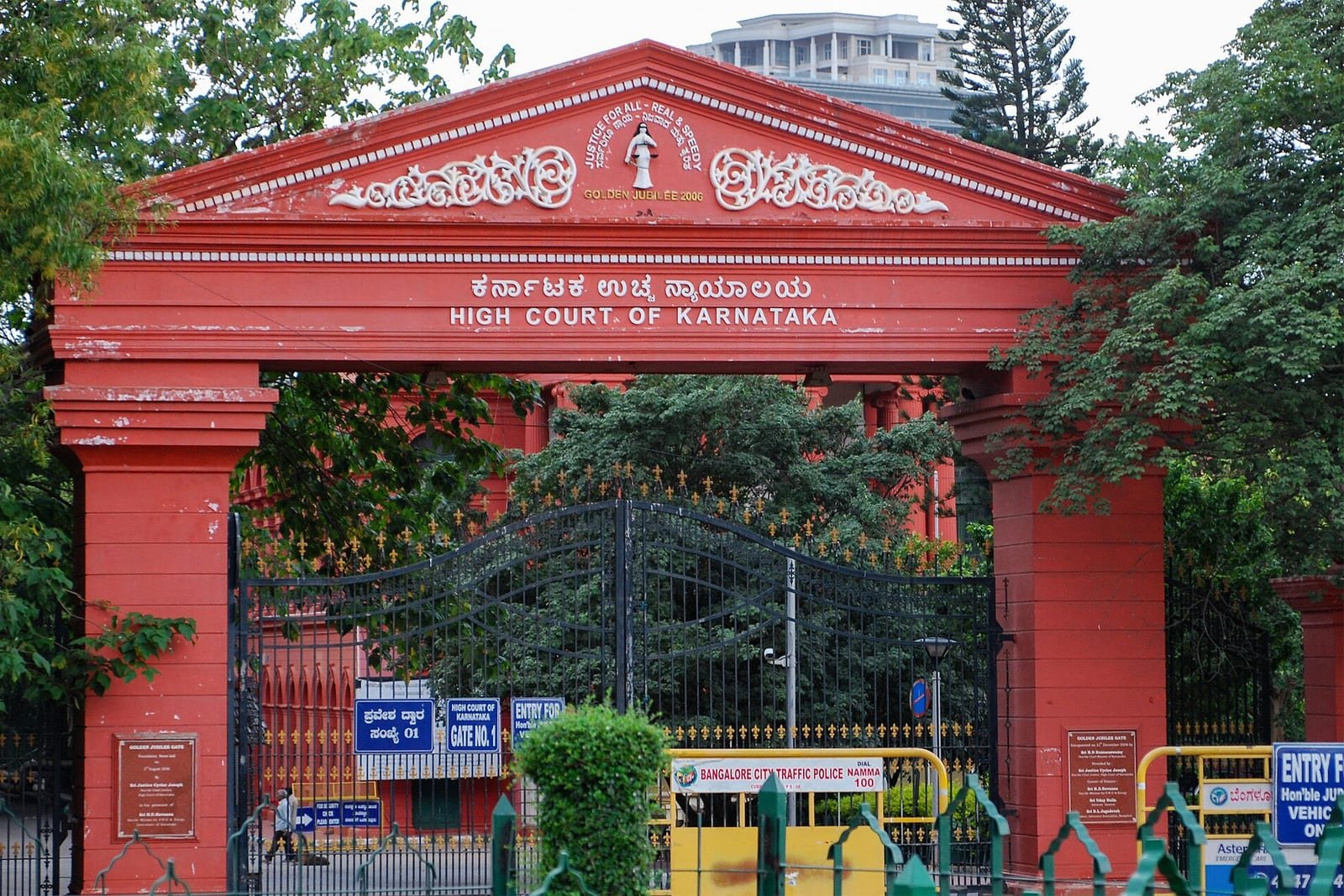
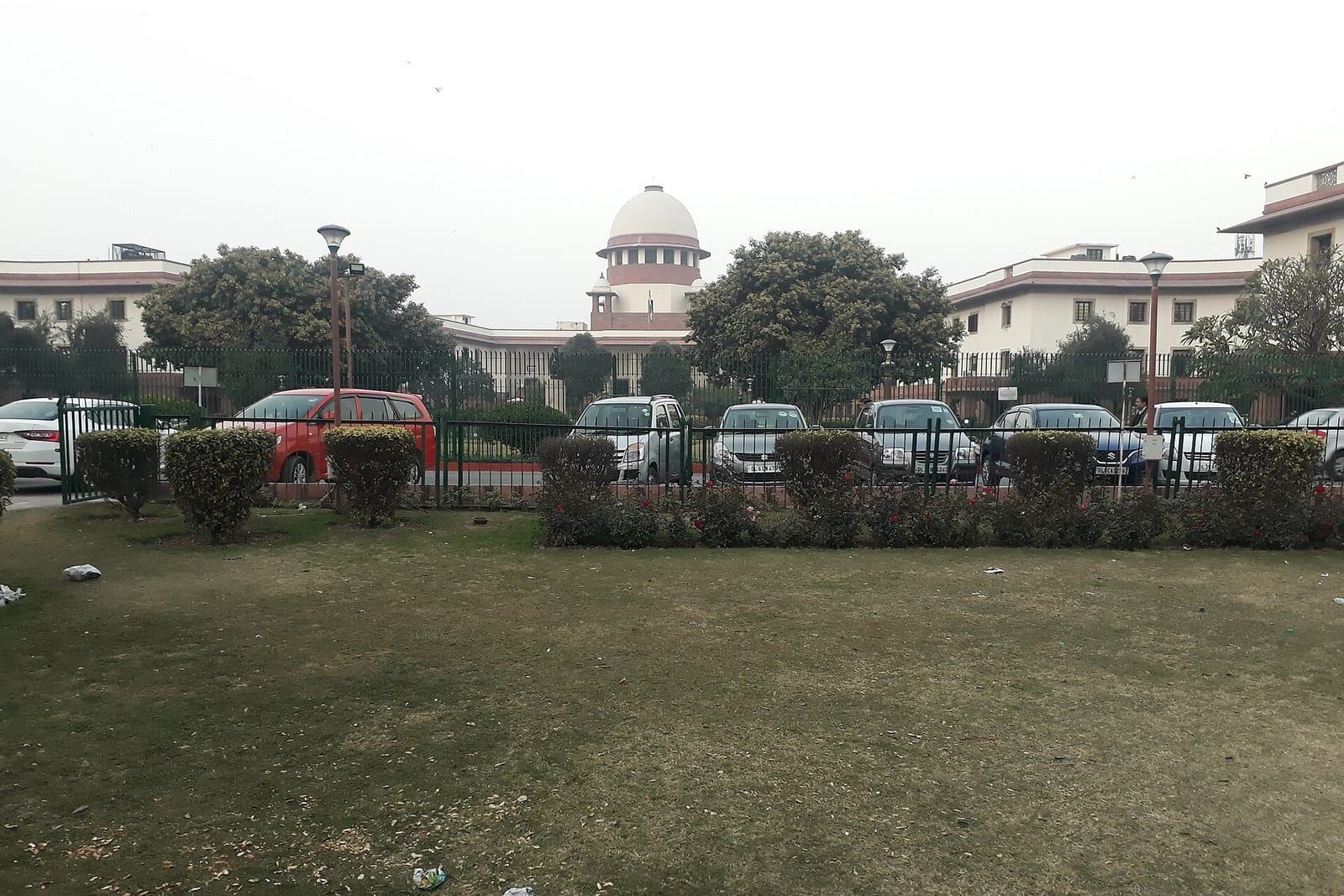
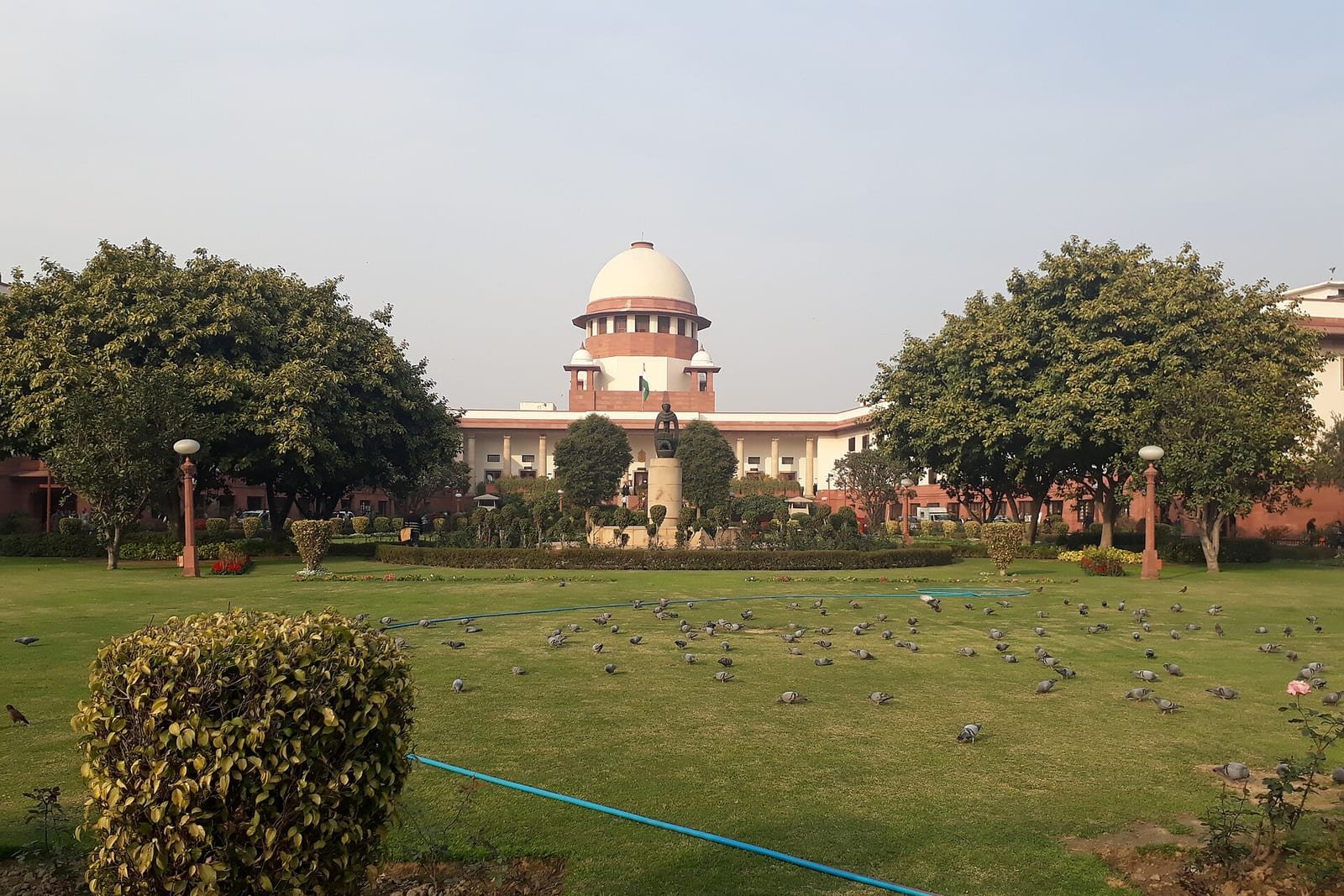
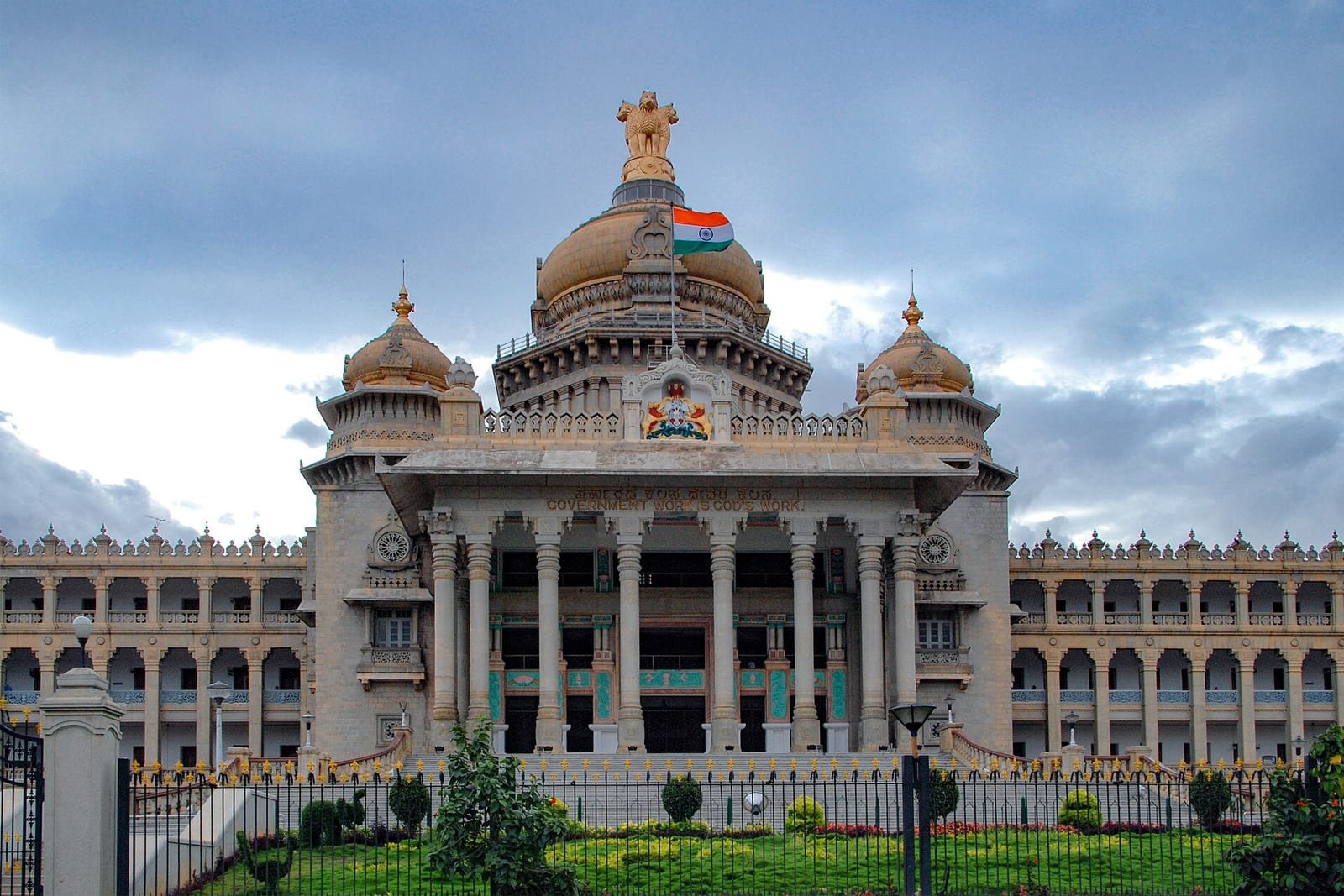
Karnataka, a state in southern India, has asked the Supreme Court to restore the larger quotas for Dalits and Adivasis that its High Court, the state’s highest court, struck down on 12 October 2026. The state is also asking India’s central government to place the 2022 law in the Ninth Schedule of the Constitution, a list of laws shielded from some court challenges. Neither route is simple, and the High Court’s judgment shows why.
Reservation is India’s system of seats in colleges and posts in government kept for groups the Constitution recognises as held back, above all by caste. Scheduled Castes is the legal name for Dalit communities, among those once branded “untouchable”; Scheduled Tribes is the legal name for Adivasi communities, India’s Indigenous peoples. The 2022 law raised their quotas in Karnataka from 15% to 17% and from 3% to 7%. With 32% for Other Backward Classes, a broad official category of disadvantaged castes, unchanged, total reservation rose from 50% to 56%.
What happened
The state Cabinet decided on 15 October to appeal, a Government Order (a formal state government decision) dated 27 October approved it, and the Chief Minister’s Office announced on 11 November that the state had filed a Special Leave Petition, the request that asks the Supreme Court to hear an appeal, The Hindu reported. The appeal was filed within 16 days of the judgment, the office said, according to the Press Trust of India. On 13 November The Proof News said it had not yet seen a case number or any listing for a hearing.
On 12 November the Deputy Chief Minister, G. Parameshwara, one of the state’s prominent Dalit leaders, wrote to Prime Minister Narendra Modi asking for a constitutional amendment to put the law in the Ninth Schedule, India Today reported. The Chief Minister, D.K. Shivakumar, who heads the state government, has written to Mr Modi with the same request.
Why it matters
The increase followed a commission led by a retired High Court judge, H.N. Nagamohan Das. The two quotas had stayed the same since 1958 despite an increase in the communities’ population and their continuing social and educational disadvantages, Mr Parameshwara said. Whether the increase comes back now turns on two forums: the Supreme Court, whose rulings set the 50% ceiling, and Parliament, which would have to pass the constitutional amendment the state wants. Meanwhile, the state has kept back a share of posts in a large recruitment for Dalit and Adivasi candidates until the courts decide.
Was the law struck down on procedure?
Mostly not. The main ground was the 50% ceiling, which India’s Supreme Court made a firm rule in Indra Sawhney (1992), its leading ruling on reservation: reservation should not pass half of seats or posts except in “extraordinary circumstances”, the High Court recalled. It held that Scheduled Castes and Tribes holding 18% reservation while making up 24.10% of the state’s population “does not present any extraordinary circumstance which would warrant an increase beyond the said limit, thus reducing the pool of appointments that are available for general merit candidates”. The ceiling, the court said, following the Supreme Court, is “apparently for the benefit of general merit candidates”. It struck down section 3 of the Act “insofar as it takes the aggregate reservation beyond the ceiling of 50%”, and section 4 as violating the Constitution’s equality guarantees. Our earlier explainer sets out that reasoning in full.
The procedural point came second. The court held that the state had to consult the National Commissions for Scheduled Castes and for Scheduled Tribes, the constitutional bodies that watch over their safeguards, before making the law. “Merely writing a letter after enacting the Act cannot be considered as consultation,” it said: the state’s letters were dated 10 December 2025 and 20 January 2026, “nearly three years after the Act was enacted”. But it added that it was “not necessary for us to examine this challenge any further”, given its finding on the ceiling.
What did the court not decide?
It did not reject the Nagamohan Das Commission’s finding about who has been left out, though it called the commission’s “fundamental premise that the reservation for backward classes must be in proportion to their population” “erroneous”. The finding that some communities have not gained from reservation “may perhaps present a case for internal reservation”, the court said, meaning sub-quotas inside the Scheduled Caste and Tribe shares, as four states have done with the Dalit quota. “However, it does not present a case for exceeding or breaching the 50% rule.” Karnataka says it has put internal reservation among Scheduled Castes in place, The News Minute reported.
Nor did it rule on the Ninth Schedule. The judgment mentions it in setting out the commission’s report and decides nothing about it.
What can the Ninth Schedule do?
Article 31B of the Constitution was added to give laws in the Ninth Schedule “immunity from possible attack on the ground that they contravene the fundamental rights of the citizen”, as the Supreme Court put it. Tamil Nadu, a neighbouring state, keeps 69% reservation under a 1993 state law. It was put in the Ninth Schedule by the Constitution (Seventy-sixth Amendment) Act of 1994, and Karnataka’s leaders cite it as their model.
“If Parliament could act to protect a reservation framework of 69 per cent in Tamil Nadu, Karnataka’s considered request for 56 per cent reservation, founded upon the recommendations of a judicial commission, deserves no less constitutional attention.” — G. Parameshwara, Deputy Chief Minister of Karnataka, in his letter to the Prime Minister, 12 November 2026. Chief Minister Shivakumar’s letter carries a near-identical sentence, The Times of India reported.
The shield is not complete. In I.R. Coelho (2007), the Supreme Court held that laws added to the Ninth Schedule after 24 April 1973 can still be tested against the Constitution’s basic structure, the core features the Supreme Court has held even Parliament cannot amend away. So Karnataka “cannot assume” that placing its law there “would automatically insulate it from challenge”, The Times of India noted. Tamil Nadu’s own law has been challenged in the Supreme Court; in 2021 the court put off hearing that case until after its ruling on the quota Maharashtra, a western state, had given the Maratha community, a large caste group there, The Hindu reported.
Why hasn’t the Ninth Schedule route moved?
Karnataka sent its proposal to the central government on 23 March 2023, and the state Assembly passed a resolution for it on 18 December 2025. On 25 July 2026 the central government told the Lok Sabha, Parliament’s lower house, that inclusion was not appropriate while the case was before the High Court, Mr Parameshwara said.
The state’s government, led by the Indian National Congress, says the Bharatiya Janata Party (BJP) government behind the 2022 law never secured that protection: it used an ordinance and then the Act before the 2023 election, and sent its Ninth Schedule proposal only about seven weeks before the vote, the Chief Minister’s Office said. The reports we read carried no answer from the BJP.
What happens to the posts held back?
When the state approved recruitment to 56,432 posts in February 2026, it kept an additional 6% of posts meant for Scheduled Caste and Tribe candidates in a backlog category until the court decided, the state said. That 6% is the gap between the old quotas and the new: two points for Scheduled Castes and four for Scheduled Tribes. The aim, the state said, was that the larger share “would not be lost”. The reports we read did not say what becomes of those posts now that the High Court has ruled and the state has appealed.
Key terms
- Special Leave Petition: a request asking the Supreme Court to allow an appeal against a lower court’s ruling.
- Ninth Schedule: a list of laws in the Constitution protected by Article 31B from challenge for breaching fundamental rights. Since I.R. Coelho (2007), laws added after 24 April 1973 can still be tested against the basic structure.
- The 50% ceiling: the Supreme Court’s rule, from Indra Sawhney (1992), that reservation should not pass half of seats or posts except in extraordinary circumstances.
What’s next
Watch whether the Supreme Court admits the appeal and pauses the High Court’s ruling while it hears it, and whether the central government brings a constitutional amendment to Parliament. Mr Parameshwara has also asked for national consultations on the 50% ceiling itself, taking into account changing social conditions and the experience of other states. And watch what the state does with the 6% of posts it kept aside.