Listen to this article
Read by an AI-generated voice · Report a mispronunciation
On 26 October 2026, the National Commission for Scheduled Castes (NCSC) sent a notice to the government of Telangana, a state in southern India. The NCSC is the constitutional body that watches over the rights of India’s Dalit communities, once branded “untouchable”. NCSC Director G. Sunil Kumar Babu wrote to the Principal Secretary, the senior civil servant who heads the state’s Scheduled Caste Development Department, about the part-time, guest and contract teachers who work in Telangana’s gurukuls, the state’s residential educational institutions, The Siasat Daily reported.
The notice followed a representation from Bakka Judson, a former member of the All India Congress Committee, the national body of the Congress party. The representation asked for recognition of long-serving teachers, a minimum time scale of pay, higher remuneration, job security, weightage for their years of service and the immediate release of pending salaries, according to the report. In a press note, Judson said the teachers also wanted to be enrolled in the state’s Integrated Financial Management System (IFMS), the government’s payroll and accounts system, Siasat reported.
The commission asked the department for the facts and the action taken within 15 days of receiving the notice. If no reply came, the notice said, the commission might use its civil court powers and summon the official to appear in person or through a representative, Siasat reported. That is the most the notice can compel. As the Supreme Court, India’s highest court, restated in a ruling in July, the commission can make an official answer, but it cannot order anyone to pay.
Why it matters
The NCSC’s job is to guard the rights and safeguards of Scheduled Castes. A single commission once served both Scheduled Castes and Scheduled Tribes, India’s official category for Adivasi (Indigenous) communities, until a constitutional amendment split it in two in 2003, the July judgment records. It also quotes a 2011 ruling of the Supreme Court on Article 338 “as it originally stood”: the commission was set up to protect both groups by ensuring “anti-discrimination”, “affirmative action by way of reservation and empowerment” and “redressal of grievances”. In Telangana’s own gurukuls for Scheduled Caste students, the teachers’ union says, the society that runs them is short of thousands of permanent teachers, with part-time staff filling the gap on pay that, the union says, falls short of their duties, Telangana Today reported. These are residential schools, and in October 2025 teachers and staff told Deccan Chronicle that, along with their unpaid salaries, students’ diet and cosmetic allowances had stalled and textbooks had been handed out late, the paper reported. Whether the teachers’ demands amount to a deprivation of Scheduled Caste rights is for the commission to inquire into. The notice is also a test of what it can do if it finds they do.
What can the NCSC actually do?
Its powers come from Article 338 of the Constitution. Two of the duties clause 5 lists matter here: to investigate and monitor the safeguards for Scheduled Castes in the Constitution and the law, and to “inquire into specific complaints with respect to the deprivation of rights and safeguards of the Scheduled Castes”. It reports to the President, and its reports go to Parliament and, where a state is concerned, also to that state’s legislature, each with a memorandum on what action was taken and why any recommendation was rejected.
Clause 8 is where the notice’s warning comes from. While it investigates or inquires into a complaint, the commission has “all the powers of a civil court trying a suit”, including “summoning and enforcing the attendance of any person from any part of India and examining him on oath” and “requisitioning any public record or copy thereof from any court or office”, the Article reads. Clause 9 adds that the central government and every state government “shall consult the Commission on all major policy matters affecting Scheduled Castes”.
The commission has sent notices like this before. In October 2026 The Dalit Project reported on its notice to the police in Kanpur, a city in the northern state of Uttar Pradesh, and a university there after a Dalit student’s complaint, which also gave 15 days for an action-taken report.
Can it order Telangana to pay the teachers?
i
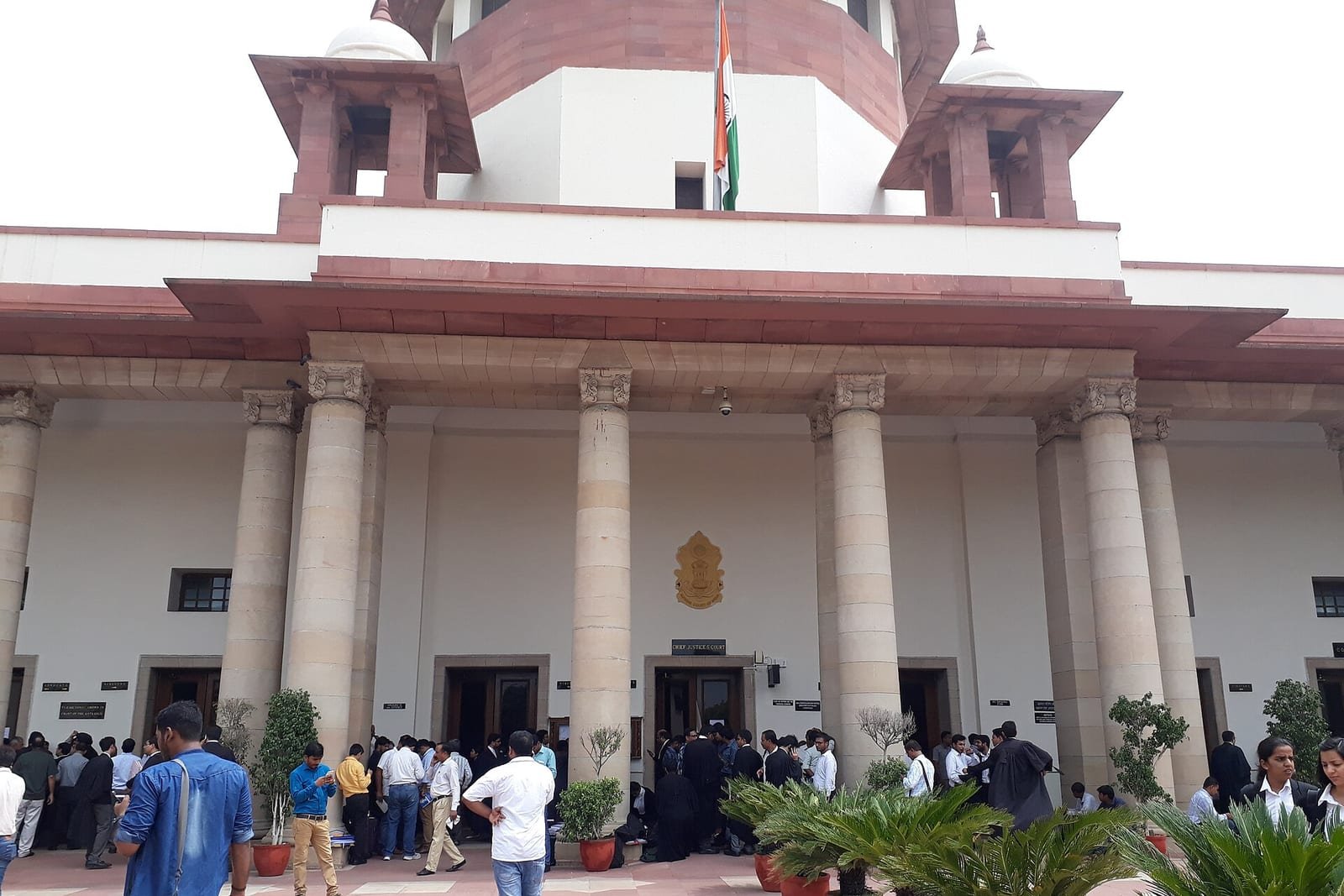
CC BY-SA 4.0Original on Wikimedia CommonsNo. On 28 July 2026, in Mumbai Port Authority v. National Commission for Scheduled Castes, two judges of the Supreme Court, Justices Sanjay Karol and Augustine George Masih, ruled that the NCSC had no power to direct the Mumbai Port Authority to pay a Scheduled Caste employee her arrears within 30 days. The Port Authority runs the port of the western city of Mumbai. The court also set aside a judgment of a High Court, a state’s highest court, that had upheld the direction. The commission’s civil court powers, the court held, let it “requisition documents and receive evidence” but it “does not have the power to make an order in furtherance of that evidence”. In the court’s words, the “NCSC can record a factual finding and then ask the concerned Government, either the Centre or the State to act thereupon.”
“…quite apparently, the Legislature has prescribed a role that is recommendatory and advisory, but certainly not adjudicatory.” — Supreme Court of India, Mumbai Port Authority v. National Commission for Scheduled Castes, 28 July 2026
The court rejected the commission’s argument that the word “safeguards” in Article 338 gave it a power of enforcement, and declared its direction on arrears “non-est in law”, of no legal effect, the judgment says. It quoted a 1996 ruling of the same court, All India Indian Overseas Bank SC and ST Employees’ Welfare Association v. Union of India, which held that the commission’s civil court powers are only for investigating and do not include granting injunctions, as the judgment sets out.
So the commission can ask Telangana’s department for facts and the action taken, call for records and, if no reply comes, summon the official to appear. It cannot make the state release a salary, raise pay or make a contract job permanent. What the commission finds, it can put in a report and recommend.
Who are the teachers, and how many?
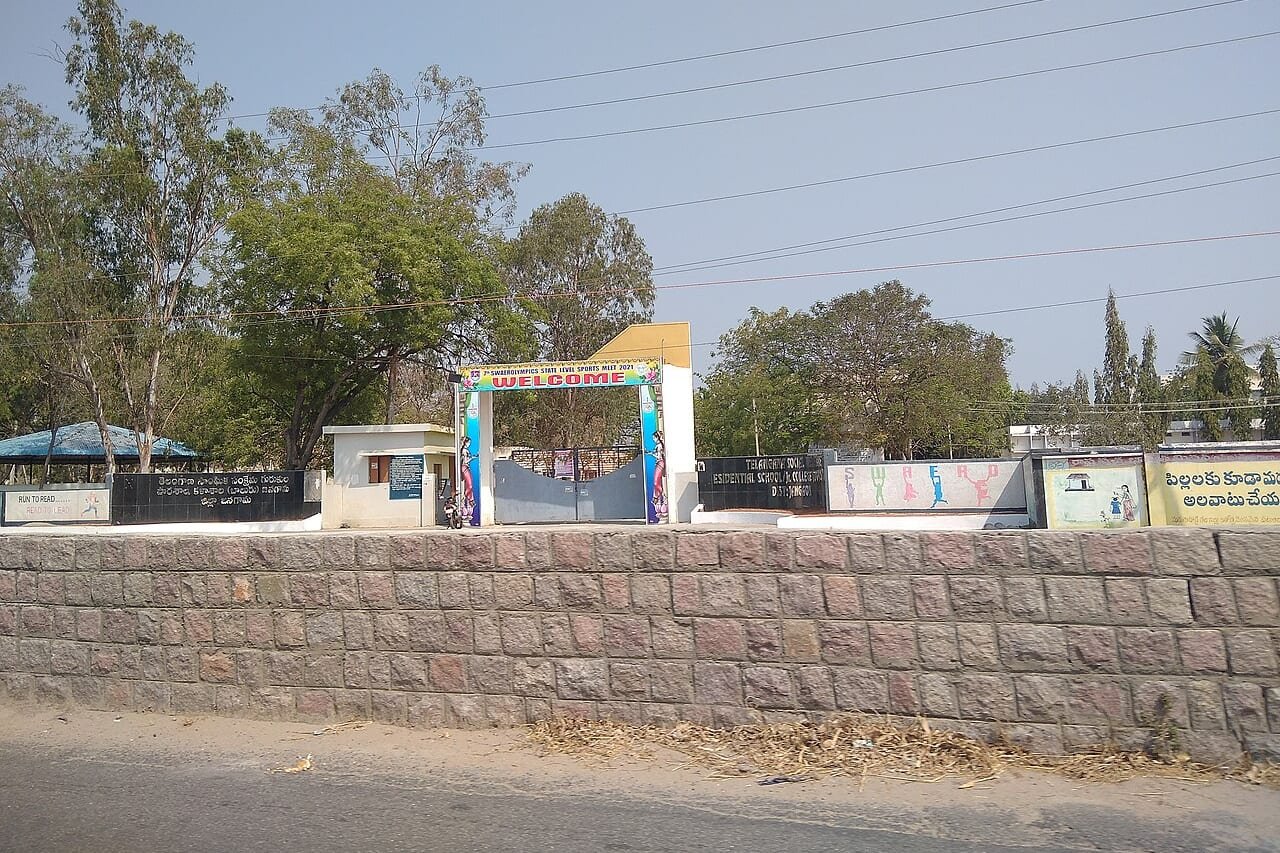
The Telangana Social Welfare Residential Educational Institutions Society (TGSWREIS) runs about 268 residential institutions, Deccan Chronicle reported. The teachers’ union, which speaks of the “SC Gurukul Society”, gives the same count of 268. Against 7,985 sanctioned teaching posts, only 4,888 regular teachers are in service, leaving 3,097 posts vacant, the Telangana Residential Social Welfare Teachers’ Union said in September 2026, Telangana Today reported. To cover the gap, the union said, 2,399 part-time teachers and lecturers teach classes, finish syllabuses and conduct examinations, and have done so for 15 to 20 years.
The society’s own Board of Governors approved raising their pay to match the MJPTBCWREIS, the society that runs Telangana’s residential schools for Backward Classes students (an official category of other disadvantaged castes), on 11 June, but the rise had not been put into effect by late September, the union said.
Complaints of late pay are not new. In October 2025, the same union demanded that the government release three months’ salaries, for July, August and September, owed to part-time and outsourced staff, Telangana Today reported; the paper put the society’s institutions’ staff at nearly 15,000. That month, part-time, contract and outsourced teachers in the society’s schools told Deccan Chronicle they had not been paid for four months, and those hired through agencies, rather than on the society’s own payroll, said they faced the worst delays. “At this rate, teachers cannot focus on lessons; we are worrying about cooking and rent,” Pavitra, a teacher at a residential gurukul in Nalgonda, a district of Telangana, told the paper. “When salaries are pending for months, it becomes impossible to continue teaching with focus.” Teachers’ groups and elected representatives took the issue to the education secretary, who had reportedly promised faster payment and a review of the teachers’ service grievances, the paper reported.
Key terms
- Gurukul: here, a government-run residential school or college.
- Scheduled Castes (SC): the official category, listed by the President, for Dalit communities.
- Reservation: India’s system of reserved places, or quotas, for disadvantaged groups, among them Scheduled Castes, in education, government jobs and elected bodies.
- Action-taken report: a government’s written account of what it has done about a complaint or recommendation.
- Time scale: a regular pay scale with yearly increments, as permanent staff receive, rather than a fixed monthly payment.
What’s next
The notice was issued on 26 October, and the department’s 15 days run from the day it received it, Siasat reported. The report does not give that day, but the window could not close before 10 November. If the department has not replied, the commission can call the Principal Secretary to appear, and it can recommend that the state pay the teachers and fill its vacant posts. A second test is whether the state puts into effect the pay rise for part-time teachers that the society’s Board of Governors approved on 11 June, as the union asks. Whether the teachers are paid, and whether the 3,097 posts the union counts as empty are filled, rests with the Telangana government, which the commission can only advise.