Listen to this article
Read by an AI-generated voice · Report a mispronunciation
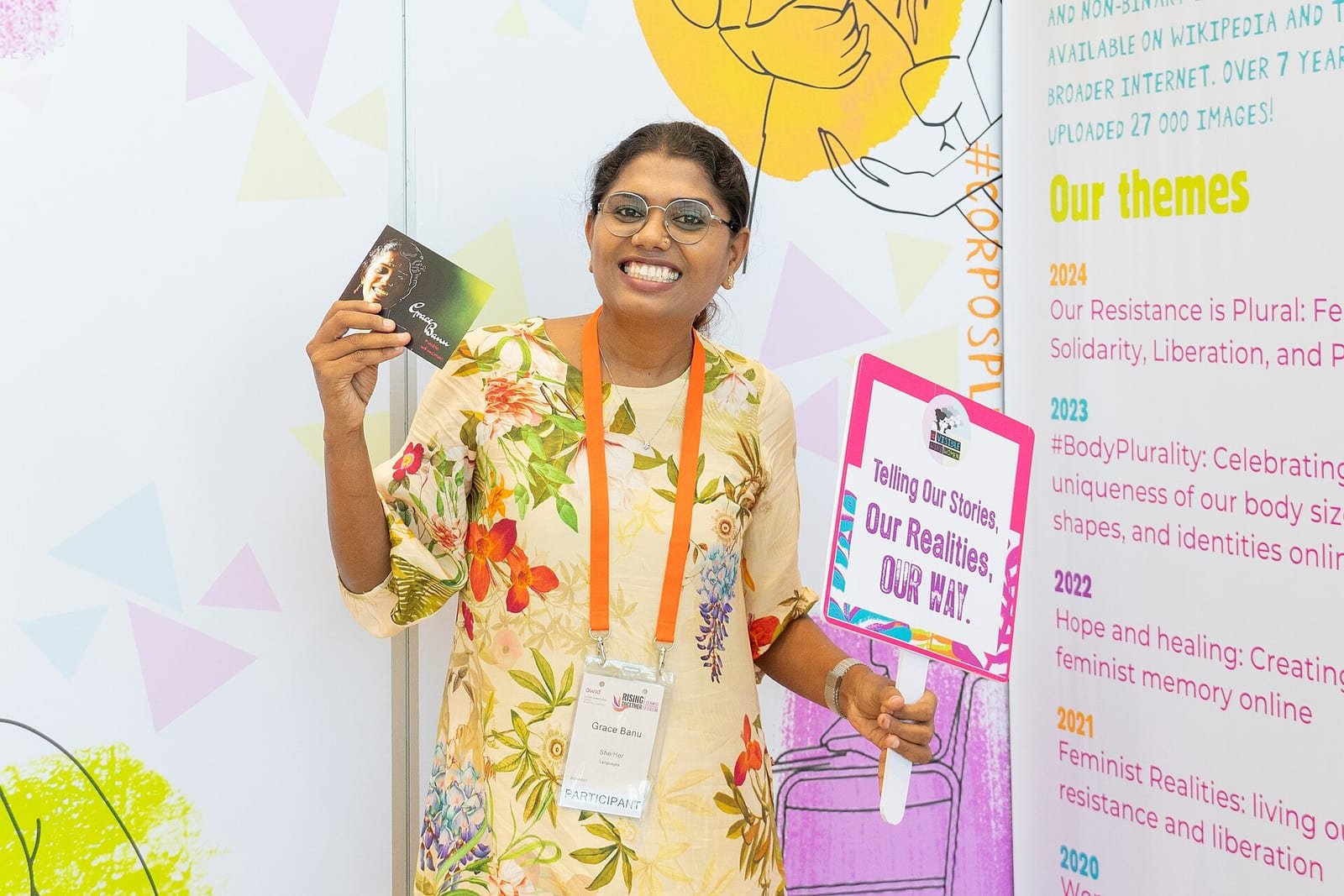
On 19 November, TIME published its first TIME100 Next India list, 100 people it says are shaping the country’s future. Among the film stars, founders and athletes, TIME’s announcement listed Grace Banu with the “advocates and changemakers”. She is a Dalit transgender woman from Tamil Nadu, in India’s south, Dalit being the name taken by the communities once branded “untouchable”, and she founded the Trans Rights Now Collective, The Mooknayak reports.
The recognition is international. She told The Mooknayak she was honoured, but what she pressed in the interview was the state’s quota system: “Reservation is the only solution to all the problems of the trans community. It is the key to our right to live with dignity.”
That is the structural point behind the honour. India counts transgender people in its reservation system, the quotas in education and public jobs for groups the Constitution recognises as historically excluded. But Tamil Nadu counted them as a caste of their own, so that a Dalit trans woman who claimed her transgender identity would, a High Court judge later found, give up her protections as a Scheduled Caste person. The demand Grace Banu has carried for years is that the state stop asking her to choose.
What happened
TIME says the list was selected by its journalists in India and around the world, and it is the first regional edition of its TIME100 Next franchise. The print issue, dated 7 December, goes on newsstands worldwide, with a gala in Mumbai on 12 December.
Grace Banu’s own record runs back to school. As a Dalit child struggling with her gender identity, she faced discrimination at school for her caste and then for her gender expression. She has spoken of being singled out by teachers and students, kept out of the classroom and made to sit under a tree, away from other children, and she was reportedly told to arrive late and leave early, The Mooknayak reports. Her parents rejected her in 2008. In 2013 she was admitted to Sri Krishna College of Engineering in Arakkonam, a town in northern Tamil Nadu, the first transgender person admitted to an engineering college in the state, after first filing a Right to Information request, a public records request under Indian law, to learn whether trans students were being admitted at all.
She speaks of discrimination that compounds rather than adds up. “For transgender persons, it is a double whammy when one comes from a marginalised community,” she told The Mooknayak.
How the quota system splits a Dalit trans person in two
India’s reservations come in two kinds. Vertical reservation sets aside shares of seats and posts for Scheduled Castes (the official term for Dalit communities), Scheduled Tribes (the official term for Adivasi, or Indigenous, communities) and Other Backward Classes (other castes the state counts as disadvantaged). Horizontal reservation cuts across those blocks: women and disabled people get a share within each of them, so a Dalit woman can claim both.
In 2014, in NALSA v. Union of India, the Supreme Court recognised transgender people’s right to self-identify their gender and told governments to treat them as a socially and educationally backward class and extend reservation to them. Tamil Nadu answered with a government order of 6 April 2015 that put “transgender” on its list of Most Backward Classes (MBC), a state category of disadvantaged castes, The News Minute reported. A trans person without a community certificate, the state document that records a person’s caste, was filed as MBC whatever their caste.
A later order, in December 2017, let trans people with a Scheduled Caste or Scheduled Tribe certificate apply under their own community instead, the High Court’s 2024 order records. Either way, it was one or the other. Grace Banu, who dates the change to 2017, explained it to The Quint after a protest she led in Chennai, Tamil Nadu’s capital, where police “forcefully” detained and “manhandled” the protesters, the outlet reported. A Dalit trans person who took a seat in the MBC transgender quota would get no Scheduled Caste reservation, and the reverse, she told The Quint. “Those who belong to both the SC/ST categories and the transgender community would not be able to claim their right to reservation under both categories.”
Her alternative is horizontal reservation: a share for trans people inside each caste block, the way women already have one. “Take, for instance, a Dalit trans woman. She is doubly oppressed, and therefore, she would need reservation in both categories,” she told The Quint.
1% — the horizontal reservation Karnataka, a neighbouring southern state, gives transgender people in civil service posts, across every caste category, since 2021, the first state in India to do so. Source: The Quint.
The High Court’s answer
i
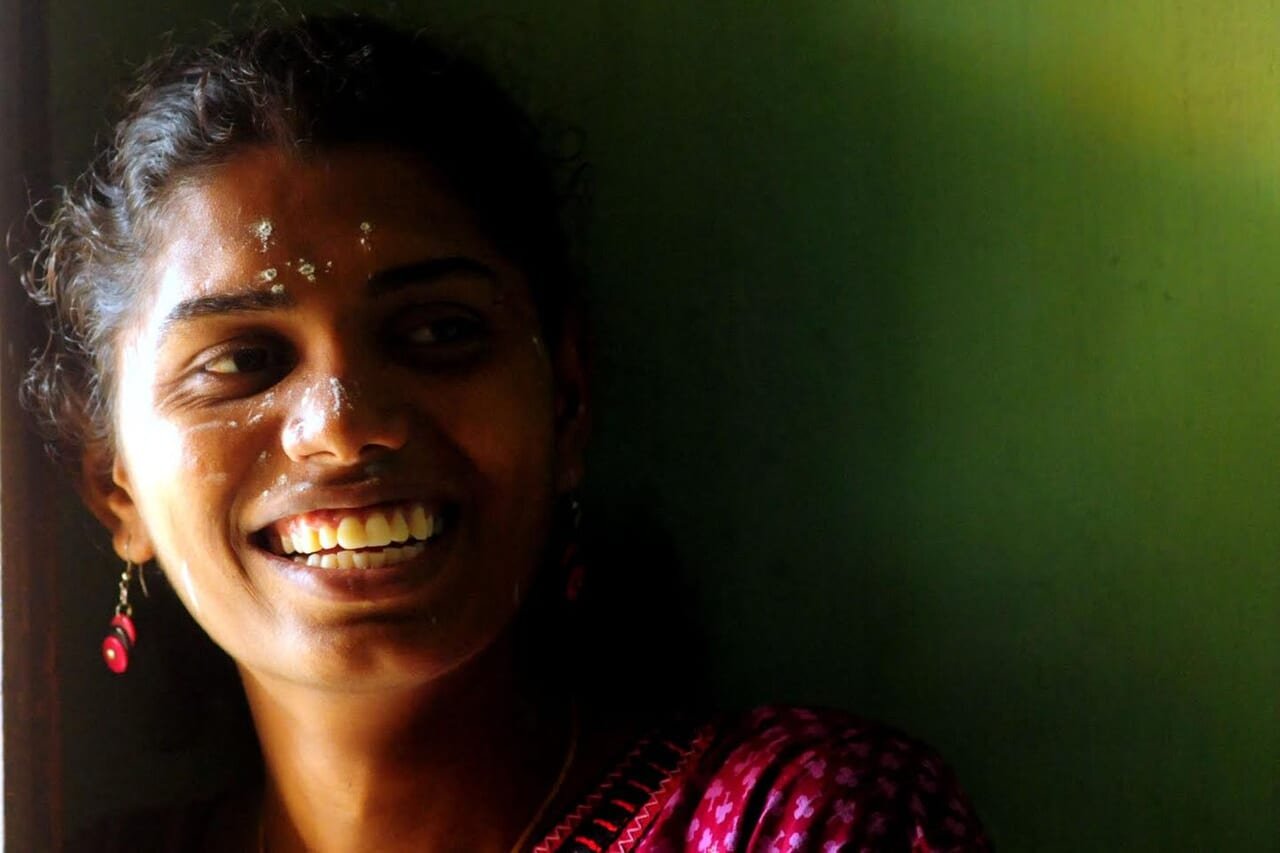
CC BY-SA 4.0Original on Wikimedia CommonsGrace Banu took the demand to the Madras High Court, Tamil Nadu’s high court, in a public interest petition, a case brought on behalf of a wider group. On 9 January 2024, a bench led by the Chief Justice asked Tamil Nadu to consider a 1% horizontal reservation for trans people in education and public employment, pointing to Karnataka, The News Minute reported. The state’s Advocate General, its chief law officer, told the court that reservation was a policy decision.
Three months later the same court went further in a case brought by Rakshika Raj, a trans woman nurse who, The News Minute reported, belongs to a Scheduled Caste community but had been classed as MBC. On 8 April 2024, Justice G.K. Ilanthiraiyan struck down the 2015 order as “manifestly arbitrary” and directed the state to provide horizontal reservation to the transgender community within twelve weeks, the order says. His reasoning tracked the argument Grace Banu had been making: “the discrimination faced by a transgender Dalit person is worse than the discrimination faced by an upper caste transgender person. Therefore, any reservation provided to the transgender will not be effective unless this intersection of these identities is addressed,” as Verdictum reported.
More than a year later, the question was still open. Hearing another trans rights petition after Tamil Nadu’s transgender policy took effect on 31 July 2025, Justice N. Anand Venkatesh of the same court wrote: “It is not clear as to whether the Government wants to provide horizontal reservation to the transgender and intersex persons which has always been the request made by the community.” He directed the state to decide, so that trans and intersex people “need not knock the doors of this Court every time”, LiveLaw reported.
Grace Banu still presses the demand. The Mooknayak counts her among the strongest advocates of horizontal reservation in education, employment and political representation, it reports.
The voice
Grace Banu’s case for reservation is not only about seats. It is about who writes the rules.
“Until we have the power to make policies that concern us, we will not be heard. No one can feel our pain better than us.” — Grace Banu, speaking to The Mooknayak, November 2026
She has long challenged caste discrimination within transgender spaces too, The Mooknayak reports. Her case against a single trans quota, aimed at governments, is about what it does to Dalit and Adivasi trans people: “But what governments need to understand is that the transgender community is not a homogenous community. Trans people come from various classes, caste, regional, and economic backgrounds. Clubbing them into one homogenous reservation category erases the experiences of Dalit-Adivasi communities. It is unjust,” she told The Quint.
The strongest counter-reading
The case against her demand is that Tamil Nadu already gives trans people a quota, and a choice. In the Rakshika Raj case the state pointed to its 2017 order: a trans person with a Scheduled Caste certificate could apply under her own community, so the petitioner “may not have any grievance”, the order records. And the state’s Advocate General told the High Court in January 2024 that reservation for the transgender community was a policy decision. The same bench said the state had done several things for the community’s upliftment. After the state’s transgender policy took effect in July 2025, the High Court commended the state for its policy for transgender people, the seventh state to bring one in.
It falls short all the same. A trans person who applies under her caste, the court answered, is clubbed with the women or the men of that class, so she gets no protection for her transgender identity, the order says. A quota that makes a Dalit trans woman give up one protection to claim the other does not add protection; it swaps one for the other. Women already receive horizontal reservation across caste categories, and the April 2024 order found it “manifestly arbitrary” to give women horizontal reservation while treating trans people like men. Welfare schemes are not the same thing either. “Welfare policies are one thing and rights are another thing,” Grace Banu told The Quint.
What to watch
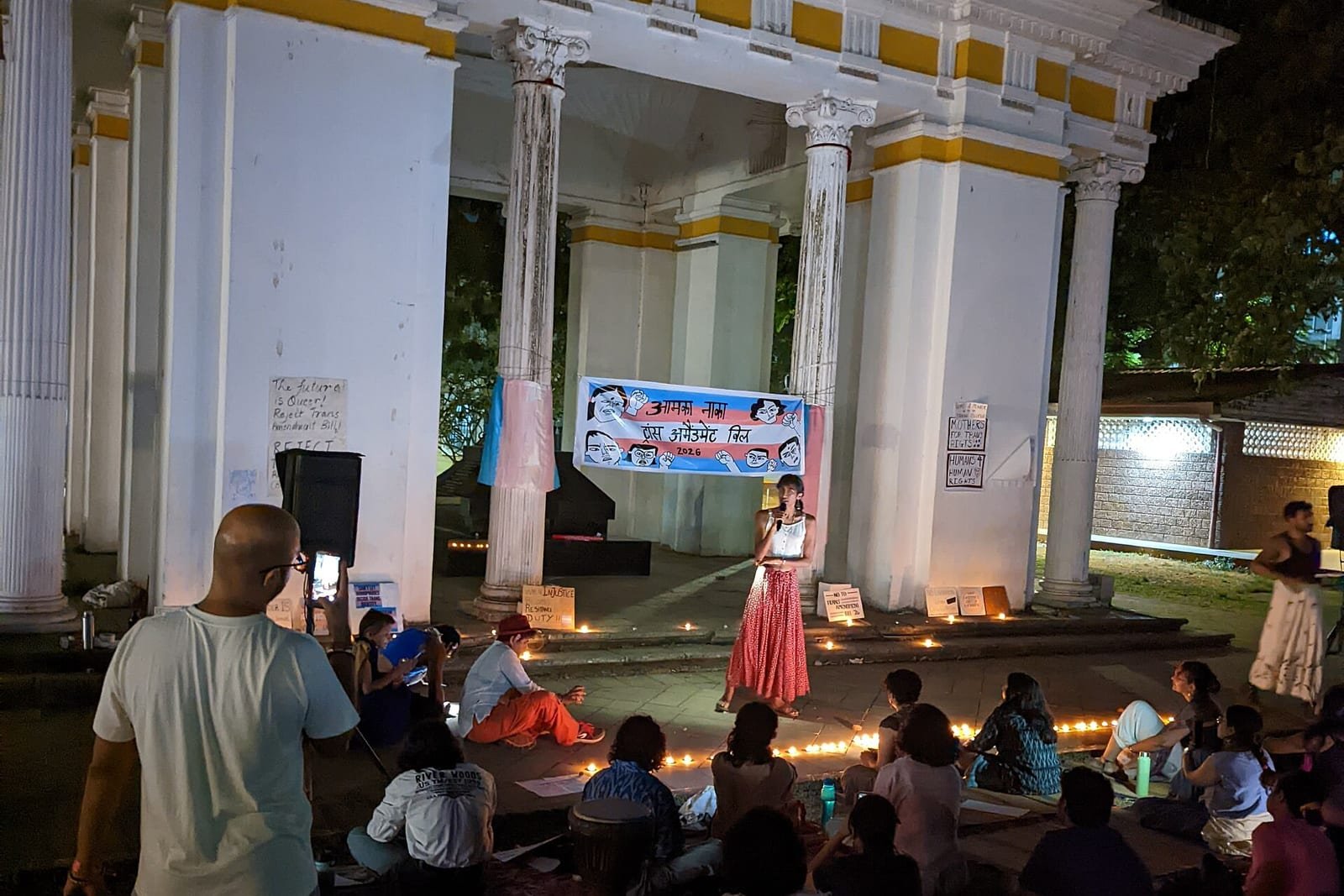
Grace Banu now sits on the advisory committee the Supreme Court set up in Jane Kaushik v. Union of India on 17 October 2025, chaired by Asha Menon, a former Delhi High Court judge, The Mooknayak reports. The court asked it for an equal opportunity policy for transgender people in employment and education, and told India’s central government to frame its own policy within three months of receiving the committee’s report. She told The Mooknayak that six meetings had taken place, and pointed to a significant bureaucratic hurdle: she is concerned that entrenched casteist attitudes in the administration could obstruct trans people’s claim to equal employment rights.
The ground under that work has moved. In March 2026, Parliament passed the Transgender Persons (Protection of Rights) Amendment Bill, which removes “self-perceived” identities from the law’s definition of a transgender person and makes an identity certificate depend on a medical board’s recommendation. A reservation for transgender people is only as wide as the law’s list of who counts as one, and who writes that list is itself contested.
TIME’s list puts Grace Banu in front of a global audience in December. The questions her work raises are domestic: whether Tamil Nadu’s reservation rules treat a Dalit trans woman as both, and whether the committee’s policy reaches the people it is about. Of society at large, she asked The Mooknayak for something simple: “Just empathy and a heart to consider us as human beings.” Of the state, she asks for seats.