Listen to this article
Read by an AI-generated voice · Report a mispronunciation
On 21 October 2026, a Durga idol immersion procession was passing near a place called Dai Sthan in Ballia district, in the eastern part of the northern state of Uttar Pradesh. The immersion closes the Durga Puja festival: images of the goddess are carried through the streets to be immersed in water. According to the First Information Report (FIR), the police complaint that opens a criminal case, a group of men arrived with sticks and other weapons, abused Pappu and Pankaj Kumar using casteist slurs and assaulted them. When Harindra and Ajit stepped in, the group beat them too, the complaint says. The four are Dalit, among the communities once branded “untouchable” under India’s caste order. They had been watching the procession, police said.
The accused allegedly threatened to kill them before they left. Police registered the case two days later. More than three weeks on, no arrest has been reported.
The question this case puts is a narrow one, and it is the one that decides most caste-violence cases in India: what the police do after the FIR. India’s law against caste violence does not leave that open. It gives the police a deadline, names the rank of officer who must investigate, and makes wilful neglect of those duties a crime. Ballia will show whether those rules work for four men who, the complaint says, were beaten as they watched a public festival.
What happened
The account so far comes from one report, by the Press Trust of India (PTI) news agency, carried by Outlook and The Pioneer on 24 October. It rests on the FIR, which the Garwar police station registered on Friday, 23 October, on the victims’ complaint. Deputy Superintendent of Police (DSP) Satish Sharma said the case was registered against six named accused under provisions of the Bharatiya Nyaya Sanhita (BNS), India’s criminal code since 2024, and the Scheduled Castes and Scheduled Tribes (Prevention of Atrocities) Act, the 1989 law against caste violence usually called the Atrocities Act. He named the six as Subhash Rajbhar, Mukesh Rajbhar, Pradeep, Abhay, Prince and Saurabh, and said the matter was being investigated. Outlook’s summary of the report says police launched a search for the accused, who had fled.
Four people were injured, police said. The report does not say how badly, which sections of either law were applied, or whether anyone was detained. The six have not commented publicly, and the report does not say whether anyone asked them to. What the FIR records are allegations; none has been tested in court. By 15 November, searches of English and Hindi news turned up no later report of an arrest or a chargesheet.
The mechanism: a deadline on paper, and who keeps it
14,642 crimes against Scheduled Castes recorded in Uttar Pradesh in 2024, the most of any state. Source: National Crime Records Bureau (NCRB), as reported by The Quint
Uttar Pradesh records more crimes against Dalits than any other state: 14,642 in 2024, on figures from the NCRB, the central government’s crime-statistics office. (Scheduled Castes is the official category for Dalit communities.) Cases like Ballia’s begin with an FIR. What happens next is set out in the Act and its 1995 rules, which the Allahabad High Court, the high court of Uttar Pradesh, quoted in a 2023 ruling.
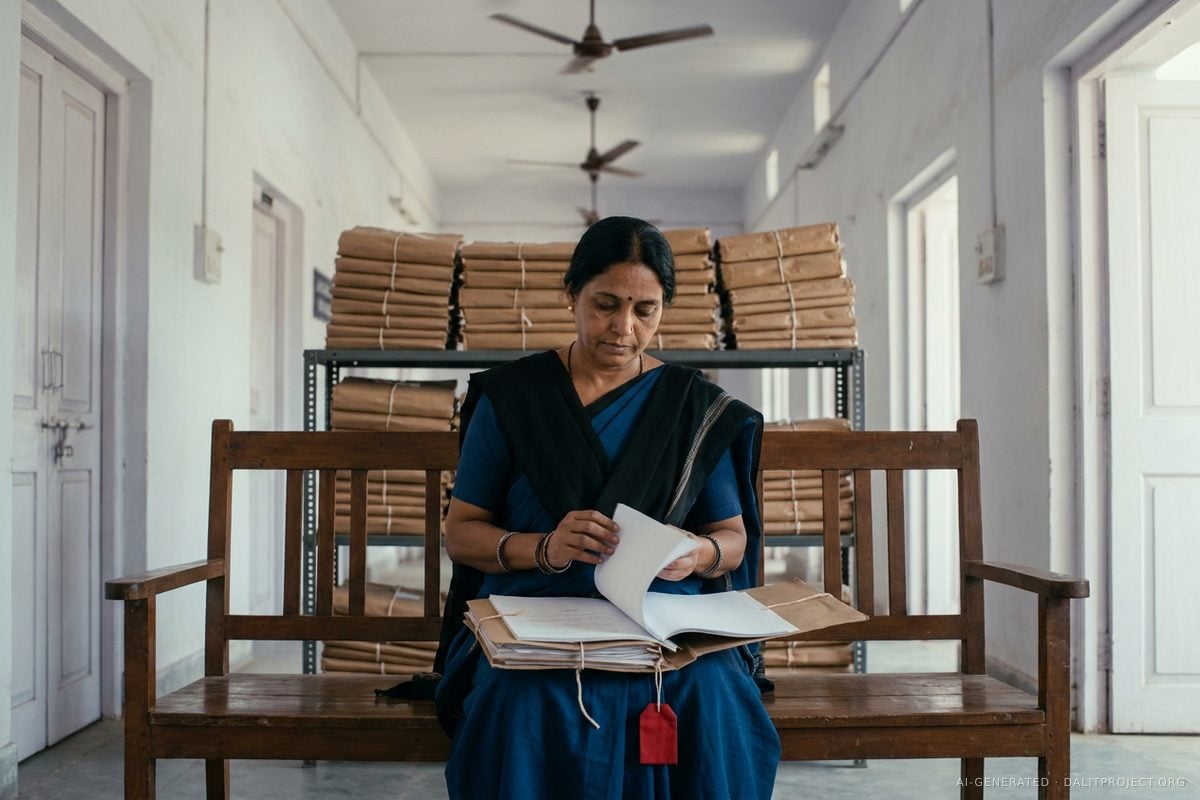
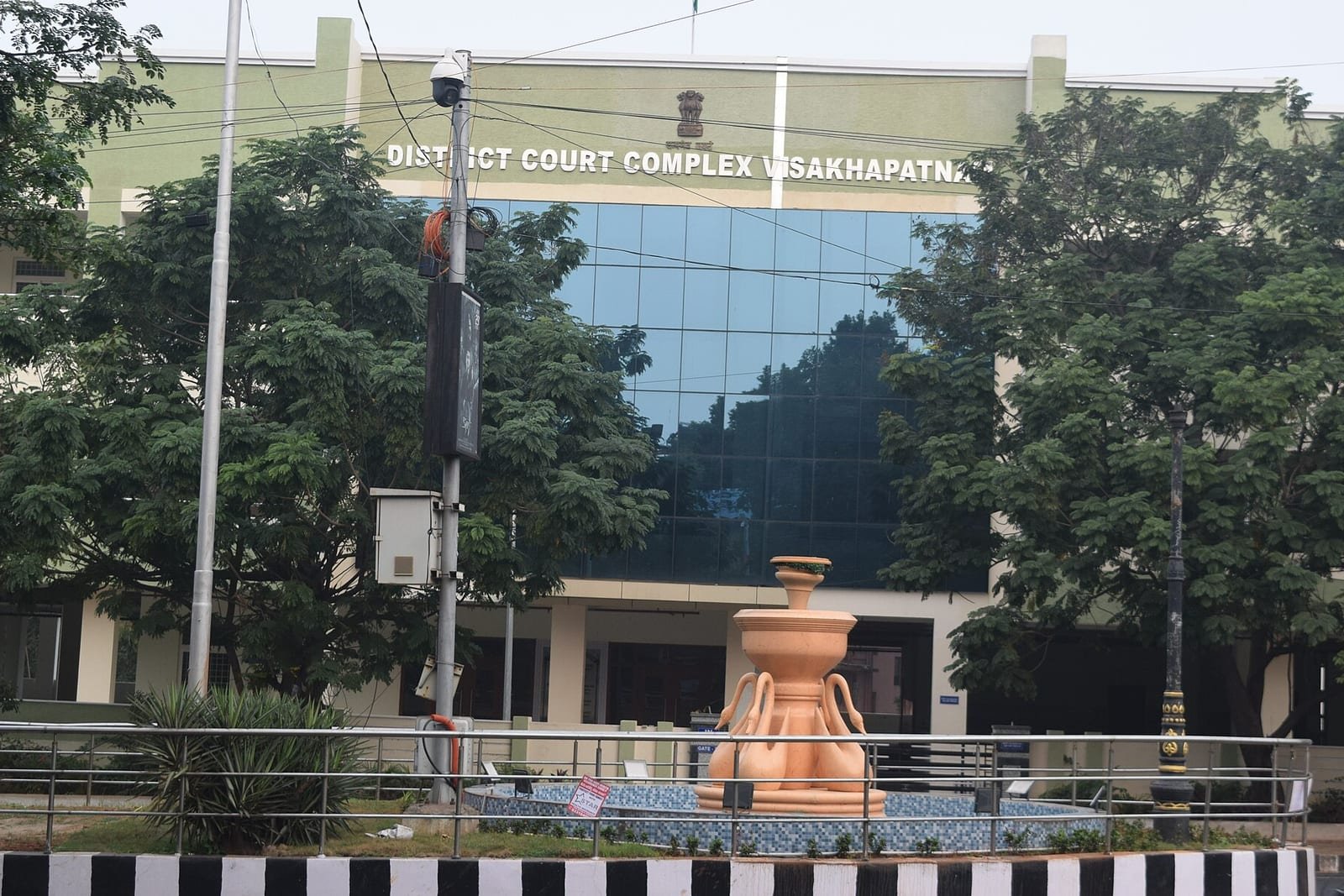
Rule 7 says an offence under the Act “shall be investigated by a police officer not below the rank of a Deputy Superintendent of Police”. The charge sheet, the formal charge police file in court, must be filed in a Special Court, a sessions court designated to try these offences, “within a period of sixty days (the period is inclusive of investigation and filing of charge-sheet)”, and any delay “shall be explained in writing by the investigating officer”. Senior officials of the state must review every such investigation by the end of each quarter. Section 4 of the Act makes these duties enforceable against the police themselves: a public servant who is not Dalit or Adivasi (a member of India’s Indigenous peoples) and who “wilfully neglects his duties” under the Act faces six months to a year in prison. Courts treat the rank rule as binding: on a petition filed in 2025, the Madras High Court, the high court of the southern state of Tamil Nadu, held that investigations under the Act must be conducted only by a DSP or a more senior officer, and ordered every district police chief in Tamil Nadu to comply.
Neither the Act nor the rule, as the court quoted them, says from which day the 60 days run. Counted from the FIR’s registration on 23 October, they end on 22 December 2026.
The deadline does not mean every FIR ends in a charge. In the same 2023 ruling, the Allahabad High Court held that the rules do not “necessarily mandate the Investigating Officer to file a charge-sheet in each and every case”, only where the evidence collected makes out the offence. So the 60 days are not a promise of a trial. They are a promise of an answer, on the record and on time, with a written reason if it is late.
The sections matter too, and the report does not give them. Two of the Act’s offences, insulting a Dalit person to humiliate them and abusing them by caste name, apply only “in any place within public view”. A street with a festival procession passing through it is about as public as a place gets. Which sections the FIR carries, and which survive into a chargesheet, will show how the police have read that.
A Dalit account from another state
i
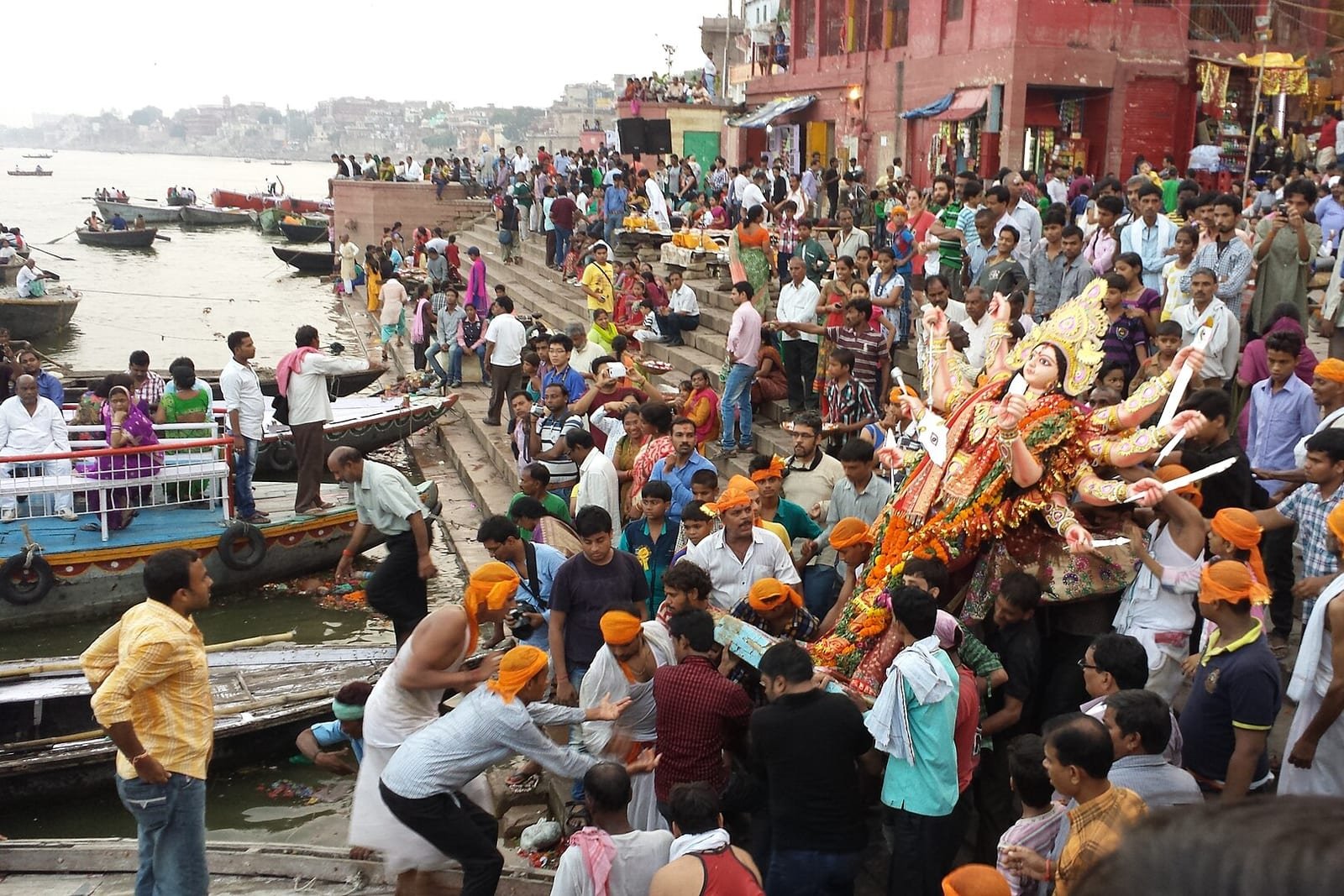
CC BY-SA 4.0Original on Wikimedia CommonsElsewhere in India, Dalits have had to claim a place in public religious life. In Eduthavainatham village, in Kallakurichi district in the southern state of Tamil Nadu, Dalits had never entered a 200-year-old temple. When they learned that the state government ran it, they went to the district administration and asked to use their right to enter it. Around 250 of them then entered it for the first time, on the Hindu festival of Vaikunth Ekadashi, with about 300 police deployed, the news site The Mooknayak reported on 6 January 2023. A Dalit, P. Ramesh Kumar, told The Hindu what had kept them out. The “caste Hindus” he refers to are the village’s dominant castes, who claim rank above Dalits.
“The temple is said to be around 200 years old and Dalits have been barred from entering the temple from the beginning. We had repeatedly requested the caste Hindus from the village to permit us to participate in the processions of the temple. But they refused and even suspended the temple procession in 2008.”
— P. Ramesh Kumar, a Dalit, speaking to The Hindu, an Indian daily newspaperi
Source: as reported by The Mooknayak, January 2023
He speaks of one village, in another state. In his account, a festival procession was something Dalits had to ask to join, and were refused.
A pattern in one district
Ballia has seen this before, and recently. Two days before the procession, PTI reported that two men had been booked in the same district for allegedly assaulting a Dalit man over his staying and offering prayers at a temple to the goddess Kali in a village in the Rasra police station area, abusing him with caste slurs, locking him inside the temple grounds and threatening to kill him, according to his complaint. In June 2025, according to the FIR, a group of about 20 men armed with sticks and rods stormed a wedding hall in Rasra and attacked a Dalit family holding a wedding there. “Being from a Dalit community, how can you hold a wedding in a hall?” the attackers allegedly said, according to the FIR. No arrests had been made when PTI reported it.
The three complaints differ in their details, and each is an allegation. What they share is where the complainants were: a Dalit man at prayer in a temple, a Dalit family using a hall, Dalit men watching a festival in the street. In the temple and wedding cases, the complainants say being there provoked the attack; in Ballia, the complaint as reported says the men were abused with casteist slurs and beaten while they watched. In each account the attack came where Dalits had every right to be. Each was registered under the Atrocities Act. None of the three PTI reports records an arrest.
The strongest counter-reading, and why it falls short
The case for patience is real. The police registered an FIR two days after the incident, named six people, applied the Atrocities Act rather than leaving it out, and began a search. That is more than many Dalit complainants get: courts have had to order police to register FIRs, as the Madras High Court did in the Rule 7 case above, where the complainant alleged that an inspector tore up his written complaint. The 60 days have not run out. And Uttar Pradesh’s courts convict more often than most: the state’s conviction rate in finished trials of crimes against Scheduled Castes was 73.3% in 2024, on NCRB figures as reported by The Quint, while Madhya Pradesh, Bihar and Rajasthan were each below 50%.
But a conviction rate counts only the trials that finish, and few do. Across India, trials pending under the Atrocities Act reached 287,694 in 2024, on NCRB data tabled in Parliament’s upper house, the Rajya Sabha, in July 2026, as reported by SCC Times; in 2024 India’s courts finished trials in fewer than five of every 100 caste-atrocity cases before them. A case that reaches a chargesheet still joins that queue. The FIR is where the record begins, not where it is settled, and the stages the law puts on a clock are the ones after it.
What to watch
Three things, in order. First, arrests: whether the police find the six, and say so. Second, the chargesheet: whether one is filed in the Special Court by about 22 December, which sections it carries, and, if it is late, whether the written explanation the rule demands is ever made public. Third, the quarterly review the rule requires of the state’s senior officials, which is where a stalled case is supposed to be caught.
The procession on 21 October has passed. The case it left behind has a deadline, and the deadline is the law’s own. Whether four men who say they were beaten while watching a festival get an answer by then is a measure of whether that law is enforced in Ballia, or only registered.