Listen to this article
Read by an AI-generated voice · Report a mispronunciation
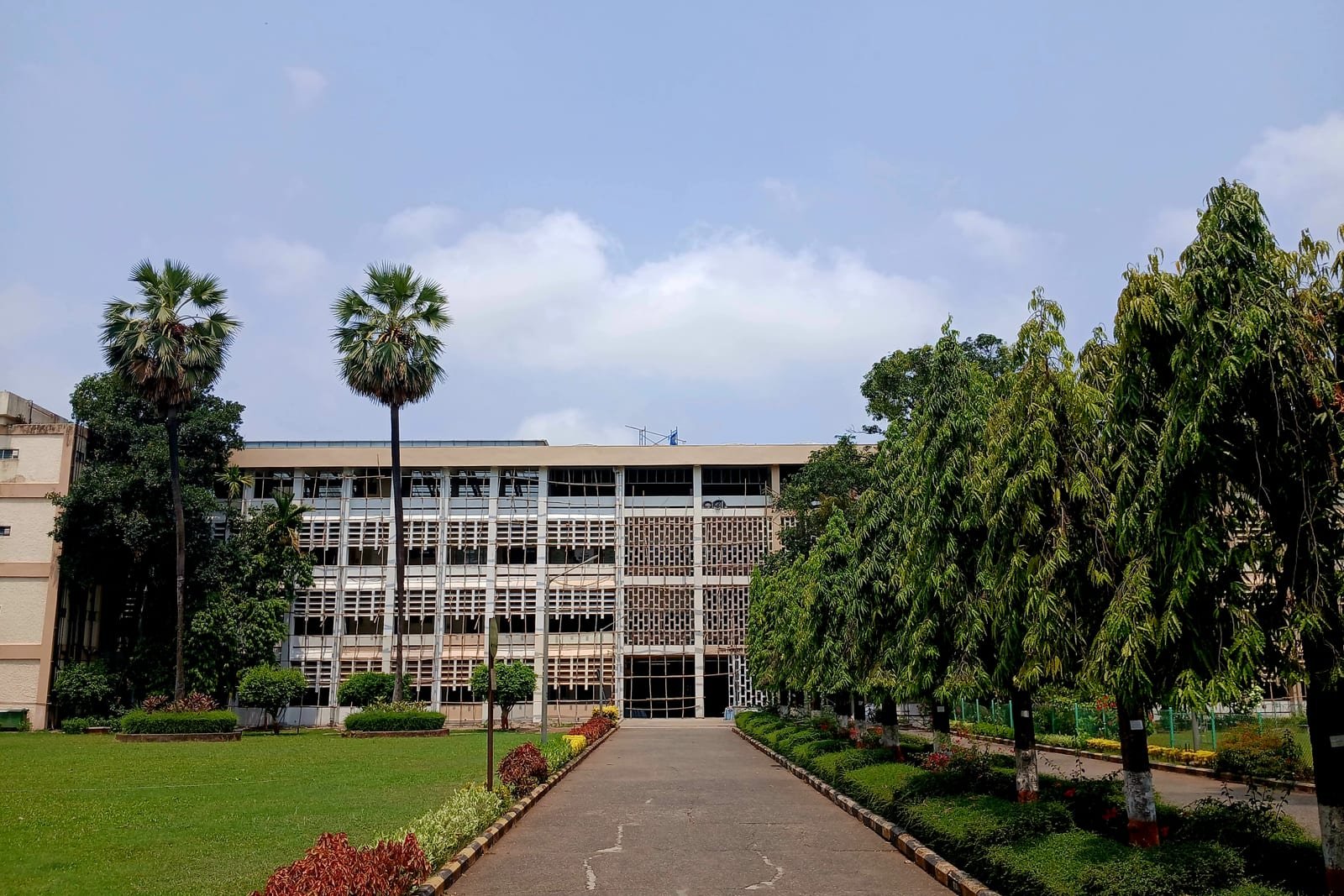
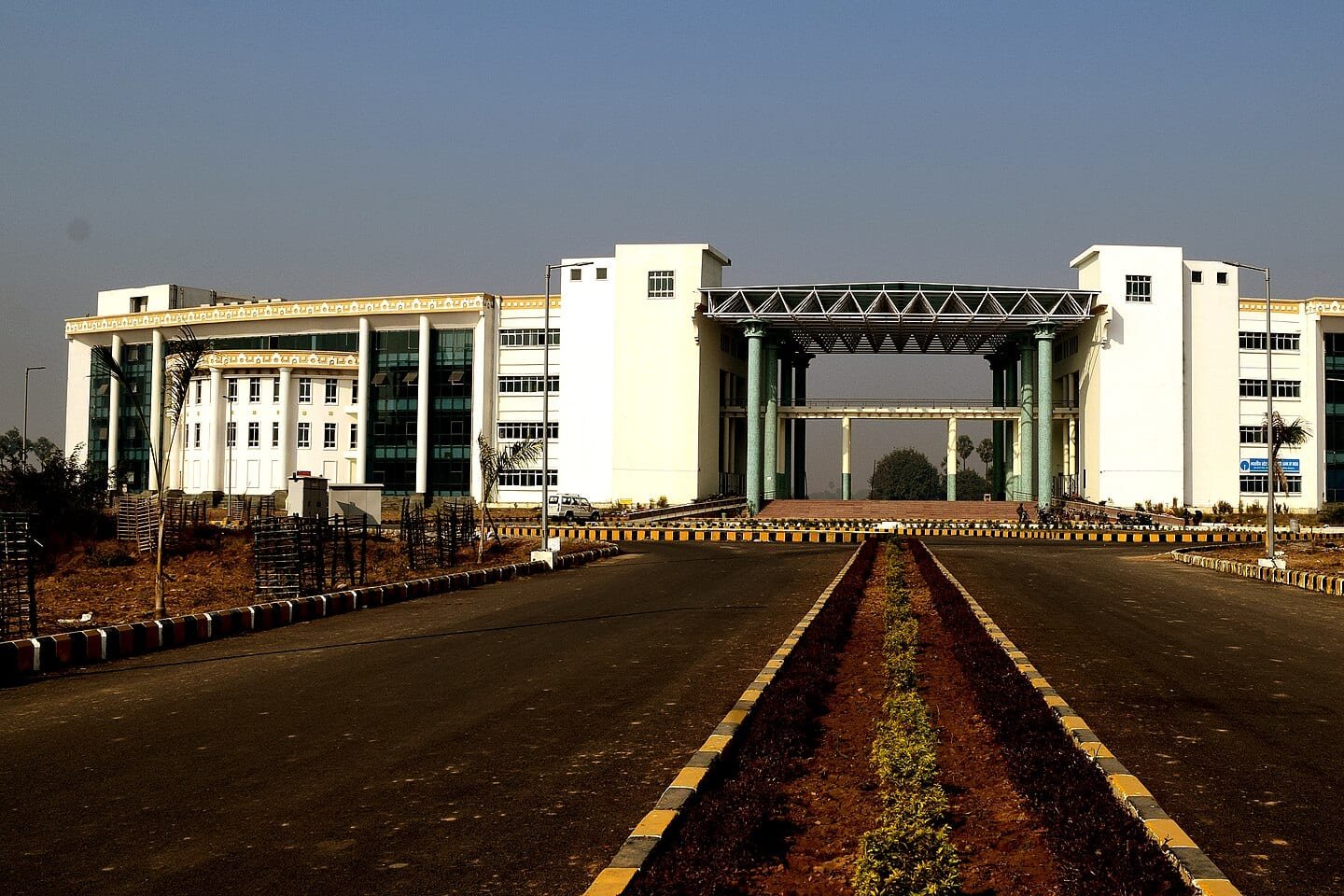
A post allegedly shared on the LinkedIn account of the registrar of the Indian Institute of Technology (IIT) Patna on 24 September said the Government of India “must think seriously and take action on reviewing reservation”, according to The Mooknayak, an outlet that covers Dalit issues. IIT Patna, in the eastern state of Bihar, is one of the Indian Institutes of Technology, India’s national engineering schools. Reservation is India’s constitutional system of quotas in colleges, government jobs and legislatures for Dalits, the communities once branded “untouchable” under the caste order, and for Adivasi communities (India’s Indigenous peoples) and other disadvantaged groups.
The registrar, Awalendra Kumar Thakur, who is also the institute’s dean of administration, says the post is not his. He has called it, and a second post attributed to him, “fake, concocted, doctored and false”, The Mooknayak reported, citing The Telegraph, an Indian daily. Nothing in the record so far proves otherwise.
That is exactly why the case matters beyond one man’s account. The registrar’s office is part of how IIT Patna applies reservation to its own students and staff. When posts attacking reservation and mocking Dalits are attributed to the person who holds it, someone has to establish whether they are genuine, by rules everyone can see. Weeks after the complaints became public, IIT Patna has said only that the question sits with “higher authorities”.
What happened
The LinkedIn post, as The Mooknayak quoted it, said reservation was “provisioned in the Constitution only for 10 years with scope to review based on facts after 10 years”, had become “a political weapon to create and sustain ‘Vote Bank’ irrespective of parties in power”, and that the “right time has come to review this provision”. The outlet reported on 27 October that the post had been visible on the account until the Monday before.
A faculty member has complained to the director about a second post, in Hindi, attributed to Thakur’s Facebook account. The Mooknayak translated it as: “Don’t become capable, become a Dalit, success will come chasing you – Indian Constitution.” The outlet also reported that a comment about Dalits allegedly made on his Facebook account on 24 September is no longer available.
A faculty member wrote to the director, Amit Patra. The letter, The Mooknayak reported, called the Hindi line derogatory towards members of the Scheduled Castes, the official term for Dalit communities, and asked the institute to preserve the electronic evidence, set up a formal inquiry and begin disciplinary proceedings under IIT Patna’s conduct rules. It asked that the inquiry be run by an authority free from any conflict of interest, the outlet reported. It also asked that the matter be referred for examination under the Scheduled Castes and Scheduled Tribes (Prevention of Atrocities) Act, India’s 1989 law against caste violence and humiliation, if the law’s conditions were met.
Anil Wagde, a Bahujan rights activist (Bahujan, “the many”, is a name for India’s oppressed-caste majority) and a founding member of the IIM Alumni Global Network (a network of graduates of the Indian Institutes of Management, India’s national business schools), wrote to the chairman of IIT Patna’s Board of Governors, T.V. Narendran, and to the director, demanding an inquiry and criminal proceedings under the same law.
Thakur’s answer came on WhatsApp. He said his adversaries may have created more such posts that he does not know of, and that he would act against whoever posted them in his name, The Mooknayak reported, citing The Telegraph. To the Hindustan Times, a national daily, he said: “Artificial intelligence has been misused to defame me.” He told the paper he never wrote or shared any statement questioning affirmative action, and that he intends to go to the police himself.
On 30 October Aditya Kumar Paswan, a former leader of the Congress party (Congress is one of India’s main national parties), who says he belongs to the Scheduled Caste community, asked the SC/ST police station in Patna, a station for cases under the laws protecting Scheduled Castes and Scheduled Tribes, to register a First Information Report (FIR), the police complaint that opens a criminal case. His complaint says the Hindi line was written in the name of the Constitution, which contains no such statement, and implies that Dalits succeed by caste rather than merit. It says the post was deleted after it drew protest, and attaches a screenshot. The FIR was registered on 5 November, under the Bharatiya Nyaya Sanhita, India’s 2023 criminal code, and the SC/ST Act, the news magazine India Today reported, citing reports. The news site CMI Times gives its number as case 62/26; India Today prints it as 6226. Both outlets note that an FIR does not establish that the posts are his.
The Dr Babasaheb Ambedkar National Association of Engineers (BANAE) has written to the secretary and the joint secretary for IITs in the Ministry of Education in India’s central government, asking for Thakur’s suspension.
The mechanism: who checks the officer
The complaints turn on Thakur’s office, not his opinions. A faculty member told The Mooknayak that the registrar and the dean of administration are positions where the incumbent plays a critical role in implementing reservation. The Hindustan Times reported that some faculty members flagged a possible conflict of interest given his portfolio overseeing quota compliance. One told the paper, on condition of anonymity: “Public anti-reservation views coming from an official tasked with enforcing affirmative action severely compromise institutional trust.”
i
Source: JEE (Advanced) 2026 Joint Implementation Committee report, table 4.3.Those are the students, across every IIT, who depend on campus administrations applying reservation in good faith. The institute’s own response has moved, and narrowed. In a WhatsApp message reported on 27 October, the director said that the matter was being investigated: “Once the allegation is proved, necessary action will be taken.” By the time he answered the Hindustan Times, it had been passed up: “The matter is currently under consideration by the higher authorities, and we are acting in accordance with their guidance. Appropriate updates will be shared publicly at the right time.” On 28 October a mental-health activist, Dheeraj Kumar Singh, asked him for details of the inquiry and an assurance that it would be independent; Patra’s reply, India Today reported, said the matter had been escalated and was under consideration.
None of the institute’s statements says who the higher authorities are, who is examining the posts, what evidence they will ask for, or by when. Nor has the institute, or any report, set out what the conduct rules the faculty complaint invokes say about an officer’s public statements.
Meanwhile the registrar’s office has gone on working on the very machinery the complaints are about. On 30 October, the day the police complaint was filed, Thakur, as registrar, issued an order adding three faculty members to the institute’s SC/ST/OBC Cell, including designated representatives for Scheduled Castes and for Other Backward Classes (OBC, the official term for a wider group of disadvantaged castes), India Today reported. The outlet said the timing raised questions about the cell’s functioning while complaints about the registrar were pending. No report says the order was improper, and none records an answer from the institute.
What the post gets wrong about the Constitution
Whoever wrote it, the LinkedIn post rests on a claim about the Constitution that its own text does not support.
There was a ten-year limit, but only on one kind of reservation. Article 334, as adopted, said the provisions reserving seats for Scheduled Castes and Scheduled Tribes (the official term for Adivasi communities) in the Lok Sabha, Parliament’s lower house, and in the state legislative assemblies would cease after ten years. The limit has since been extended. The article as it now stands, as amended by the Constitution (One Hundred and Fourth Amendment) Act, 2019, sets it at eighty years from the Constitution’s commencement. The chairman of the Drafting Committee of the Constituent Assembly, the body that wrote the Constitution, said in the 1949 debate that he would have preferred a longer limit, the Centre for Law and Policy Research’s annotated Constitution records.
Reservation in colleges and government jobs comes from different clauses, and they set no date. Article 16(4) lets the state reserve appointments or posts for any backward class “not adequately represented in the services under the State”. Article 15(4) and 15(5) allow special provision for the Scheduled Castes, including for admission to educational institutions. Neither carries a review date. Quotas in admissions and hiring, the kind a university administration applies, belong to this second group.
Paswan’s complaint makes the same case from where he stands. Reservation, he argues, is a constitutional safeguard against centuries of social inequality, not a political favour, India Today reported. He calls the Hindi line a direct insult to the talent and struggle of the community, and an attempt to malign the Constitution, The Mooknayak reported.
“[On] the very first day of college, I quickly realized that in India’s abodes of higher education, untouchability ran silently rampant. Most students immediately split along caste lines. Upper caste students asked me the name of my caste before they asked me my own name. When they found out I was a ‘quota’ (reservation) student, that was all they wanted to do with me. They refused to talk to me, share notes with me, study with me or eat with me.”
— Manisha Mashaal, Dalit organiser and anti-caste activisti
Source: quoted in Round Table India, 2021
The counter-reading
The strongest case against the complaints is Thakur’s own. He says the posts were fabricated, and a screenshot on its own cannot show who posted it. IIT Patna has lodged two separate FIRs before over similar attempts to malign its reputation, the Hindustan Times reported. On that reading, an institute that suspended an officer over a screenshot would be punishing him on the say-so of strangers.
But that argument asks for the same thing the complainants ask for: a proper test of the evidence. The faculty letter’s first demand was to preserve the electronic evidence. Paswan’s complaint asks the police to seek information from the social media companies concerned. Thakur says he will go to the police himself. A post either went out from his accounts or it did not, and the platforms’ own records can help settle which. What serves neither side is an inquiry nobody can see, held by authorities nobody has named.
What to watch
The police now have a case to investigate, and India Today reported that they are doing so. Inside the institute, three things will show whether the question is being answered: whether IIT Patna names who is examining the posts, and whether they are free from any conflict of interest, as the faculty complaint asks; whether it publishes the rules it is applying; and whether the “appropriate updates” its director promised are ever made public.
Until then, IIT Patna’s Scheduled Caste students and staff are asked to trust an administration that has not shown them how it is checking itself. The posts may turn out to be fakes. The institute still owes them an answer to how it will find out.