Listen to this article
Read by an AI-generated voice · Report a mispronunciation
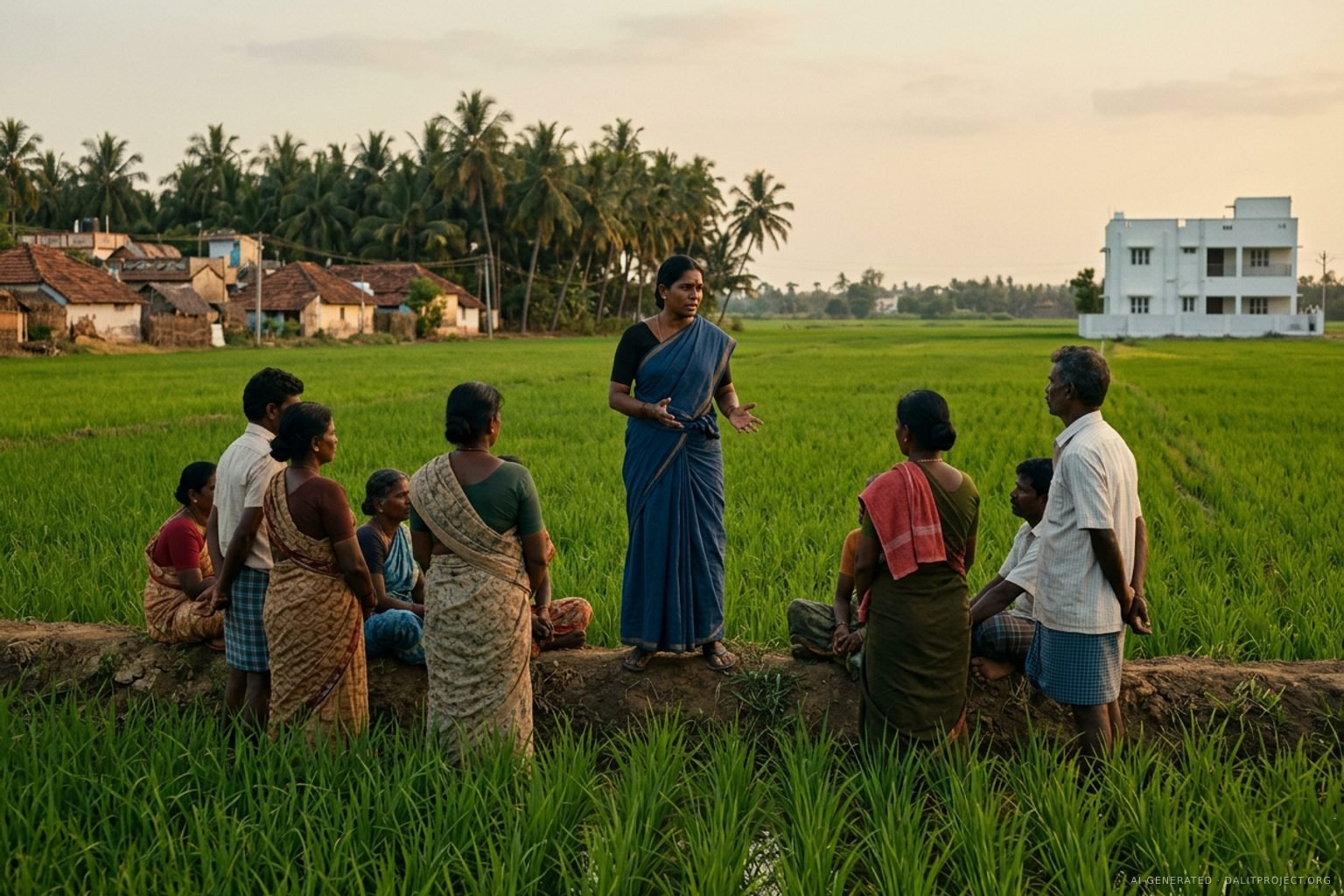
On 5 October, in Perumpalli, a village near Perundurai in the southern Indian state of Tamil Nadu, a funeral procession was stopped as it headed for the common burial ground. Dalits, the communities once branded “untouchable”, were taking the body of a 90-year-old man there. According to the Dalits who spoke to The Times of India, a group of non-Dalit residents blocked their way and said Dalits could not be buried there. The Times of India reports that the villagers alleged police personnel “stood as mute spectators” while the Dalits pleaded.
The burial went ahead after officials intervened. The Dalits say two of them had begged first. The question is what the law required of the police the villagers say watched, and whether the inquiry will ask it.
What happened
Press reports from the days after the funeral carry both the allegations and the official statements.
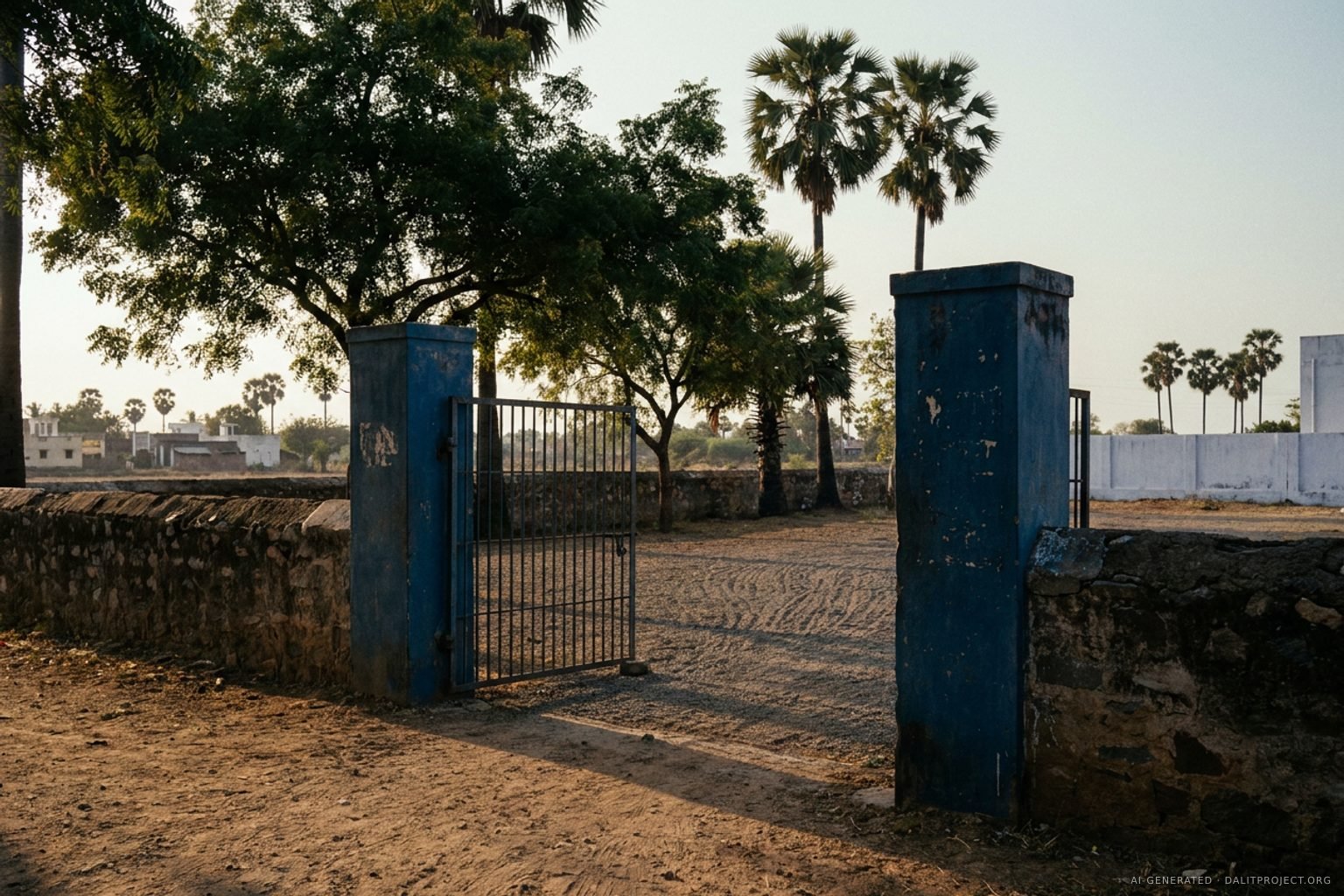
Perumpalli’s Dalits had been using a burial ground four kilometres away in the Thingalur panchayat, a village council area, after being refused access to the common ground by residents of the dominant caste. That ground had run out of space. So when the 90-year-old man died on 5 October, the family decided to take the body to the common ground. Anticipating resistance, they told the police first, according to The Times of India. Police, revenue officials and village panchayat staff came to the village.
Then the procession was stopped. The Times of India says the group was led by a man the Dalits named, and that the residents refused to yield despite repeated pleas from the Dalits. The reports do not say he has been charged, the allegation comes from the complainants, and none of the reports cited carries a response from the residents. Madhyamam, citing police, reports that the dominant-community members threatened the Dalits with an economic boycott, warning they would be denied work in the locality if they insisted on the ground. Two Dalit men then fell at the feet of the dominant-caste members and pleaded for permission, the same report says. PTI, the Press Trust of India news agency, reported on 10 October that a video purportedly showing the scene had gone viral.
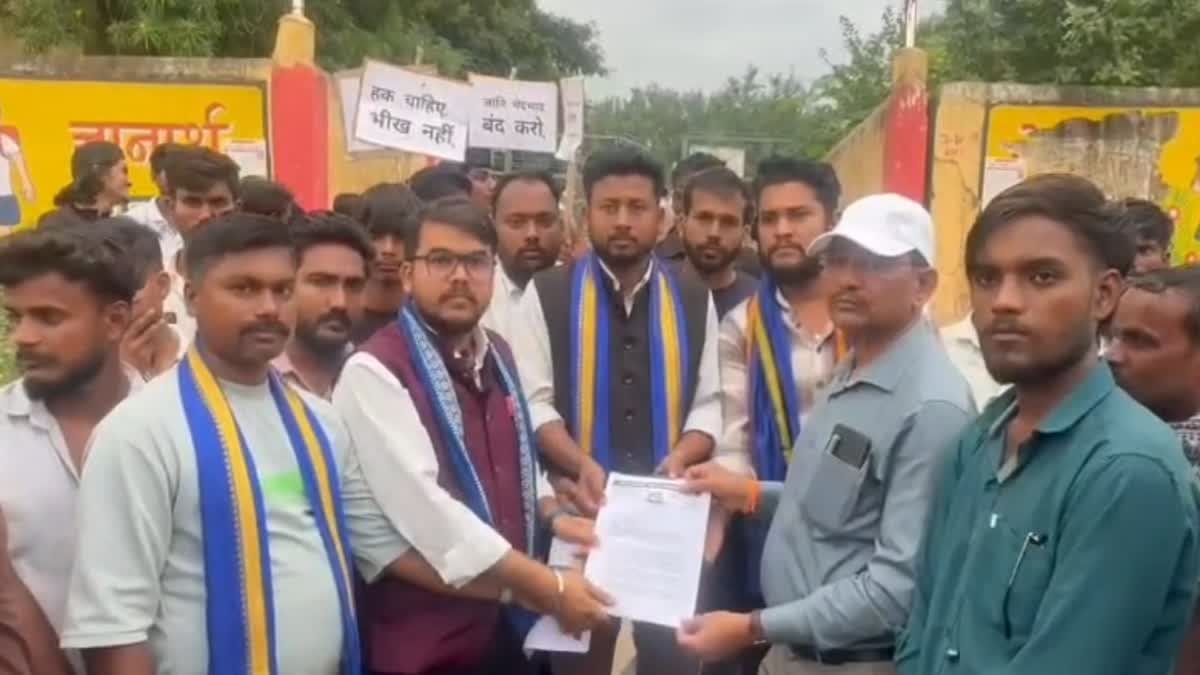
The official account is thinner. D V Kiran Shruti, the Superintendent of Police, the district’s senior police officer, told The Times of India that Thingalur police registered a case against a few members of the dominant community under the Scheduled Castes and Scheduled Tribes (Prevention of Atrocities) Act, India’s 1989 law against caste-based offences, on a complaint from revenue officials. “Additional sections will be incorporated based on the findings of the inquiry,” she said. A Deputy Superintendent of Police (DSP), Srinivasan of Gobichettipalayam, has been given the investigation. PTI, citing police, said the case was registered late on Thursday night, 8 October, on a complaint by the Perundurai revenue inspector, and that charges were invoked against two individuals. The Times of India says “a few members” and PTI says two individuals; neither names them.
The accounts of the burial also differ. PTI reports that the burial was completed under police protection and the supervision of Revenue Department officials. The Perundurai tahsildar, the local revenue officer, C Selvakumar, told The Times of India that the family buried the body at the common ground after officials intervened. He has sent a preliminary report to S Kandasamy, the Collector, the district’s senior administrative officer, and said: “We are inquiring into the allegations of some residents being forced to fall at the feet of some others.”
“In a desperate attempt to ensure a decent burial, two of us fell at the feet of the non-dalits and pleaded for permission to bury the body.” — a Dalit resident of Perumpalli, quoted in The Times of India
How the structure works
A single blockade does not explain this. Three things stack.
First, the exclusion came before the death. Perumpalli’s Dalits had already been refused the common ground and were using a separate one, four kilometres away. On the villagers’ account, being made to use a separate ground is segregation in burial. The death forced the question into the open because the segregated ground was full.
i
CC BY 3.0Original on Wikimedia CommonsSecond, the lever was livelihood. Police told PTI that the dominant-caste members allegedly threatened an economic boycott, meaning that Dalits would be barred from work in the locality. The threat reaches from the burial ground into livelihood.
Third, the act demanded was a gesture of submission. Falling at someone’s feet in public reads, in India’s caste order, as a gesture of deference to a higher caste, here made in front of the state’s officials. PTI wrote that the incident seems to be a fallout of prevailing caste discrimination, citing sources.
Key number: 4 km The Times of India reports that the burial ground Perumpalli’s Dalits had been using in Thingalur panchayat was four kilometres away and had run out of space. — The Times of India
What the law already says
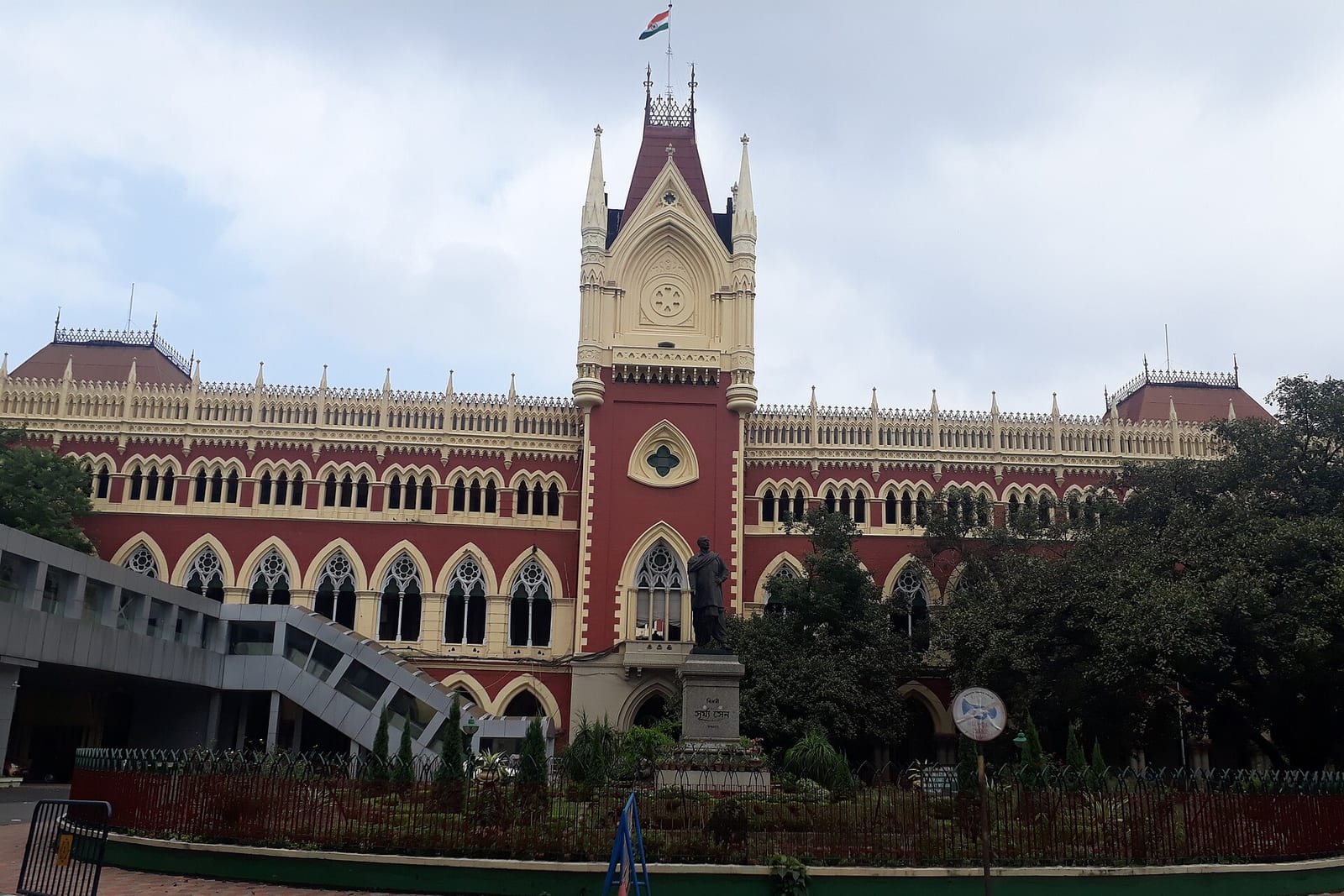
This is not a grey area in Tamil Nadu. The Madras High Court, Tamil Nadu’s high court, recently held, in a case from Karumandisellipalayam in the same Erode district, that denying members of a marginalised community access to a public burial or cremation ground “is a criminal offence. It is a form of practicing untouchability, which has been declared as unconstitutional under Article 17 of the Constitution of India.” Article 17 is the Constitution’s abolition of untouchability. Justice V Lakshminarayanan added that the District Collector, who holds powers under the Atrocities Act, must act when such violations occur. The court also said, in the judgment as reported, that the dead are entitled to a dignified burial.
That case concerned a different village and a dispute over land records, so it is not a ruling on Perumpalli. But it shows how the court reads the law in the same district.
K.R. Narayanan, India’s first Dalit President, spoke to this gap between law and practice in a speech on 25 January 2000, on the eve of the Republic’s Golden Jubilee. He was speaking about untouchability in general, not about burial grounds or Perumpalli:
“Untouchability has been abolished by law but shades of it remain in the ingrained attitudes nurtured by the caste system.” — K.R. Narayanan, 10th President of India (1997–2002), first Dalit to hold the office, 25 January 2000
The strongest counter-reading
There is a fair argument that the officials did what the law asks. The family told police in advance. Police and revenue staff came to the village. Revenue officials, not the Dalit family, filed the complaint that opened the case, and the burial was completed. On this reading, the state protected the funeral and then registered a case against a few members of the dominant community. PTI’s account of a burial under police protection supports it.
The law is also narrow on officials. The Atrocities Act punishes a public servant who is not a member of a Scheduled Caste or Scheduled Tribe (the official terms for Dalit and Adivasi communities) and who wilfully neglects duties under the Act, with six months to a year in prison, according to LiveLaw, a legal news site. India’s Supreme Court has held that a court cannot formally take up that offence without a recommendation from an administrative inquiry. The Allahabad High Court, in Uttar Pradesh, has held that dissatisfaction with an investigation does not itself amount to wilful neglect of a specific duty under the Act or its Rules.
This falls short as an answer, for two reasons. The villagers’ complaint is not that police failed to register a case. It is that police present watched a public humiliation and did not stop it, as the villagers allege, and the reports do not say that anyone has asked the police why. The tahsildar’s own words, an inquiry into “allegations of some residents being forced to fall at the feet of some others”, describe the residents’ conduct and say nothing about that of the police. Second, the rulings and report above do not settle whether intervening in a blockade is a duty the Act or its Rules specify. That is a question for the inquiry and for a lawyer.
What to watch
- Whether the inquiry looks at the police. The tahsildar’s report to the Collector and the DSP’s investigation are the two places to look. Whether either examines what the police present did is not yet known. None of the reports cited gives a date for either.
- Additional sections. The Superintendent of Police has said more sections may be added after the inquiry. Which sections are added will show what charges the police bring.
- The common ground. The reports say the body was buried there once officials intervened. They do not say whether Perumpalli’s Dalits can use it next time, and that is the measure that matters.
- The Collector. The High Court has said the Collector must act on burial-ground violations. A written order on access would show the ruling being applied in Perumpalli.
The ground itself
The funeral was completed. The reports agree on that. But the people who buried a 90-year-old man in Perumpalli did so, they say, after two of them fell at other people’s feet, and the villagers allege that police watched. When the reports were filed, a case was registered and inquiries were under way. The Dalits of Perumpalli had a segregated burial ground, then a full one, then a blockade. The test is whether the next funeral there needs anyone to beg.